Decentralized Laboratories: An Equipment Readiness Checklist
For a distributed laboratory network, first distinguish installed equipment from equipment that is ready for use. An inventory should record condition, compatible tests, available consumables, staffing and maintenance access at every site.
The DR Congo laboratory expansion described in 2024 highlighted the gap between machines present and machines functioning. Use that distinction to decide where repair, supplies or a new installation will address the actual bottleneck.
Build a site readiness matrix
Use the same assessment form across sites: power, room layout, sample route, qualified operators, service history and workload. Rank unresolved dependencies before allocating machines. A site with an instrument but no compatible supplies may need a supply intervention rather than a duplicate instrument.
Standardize the service requirements
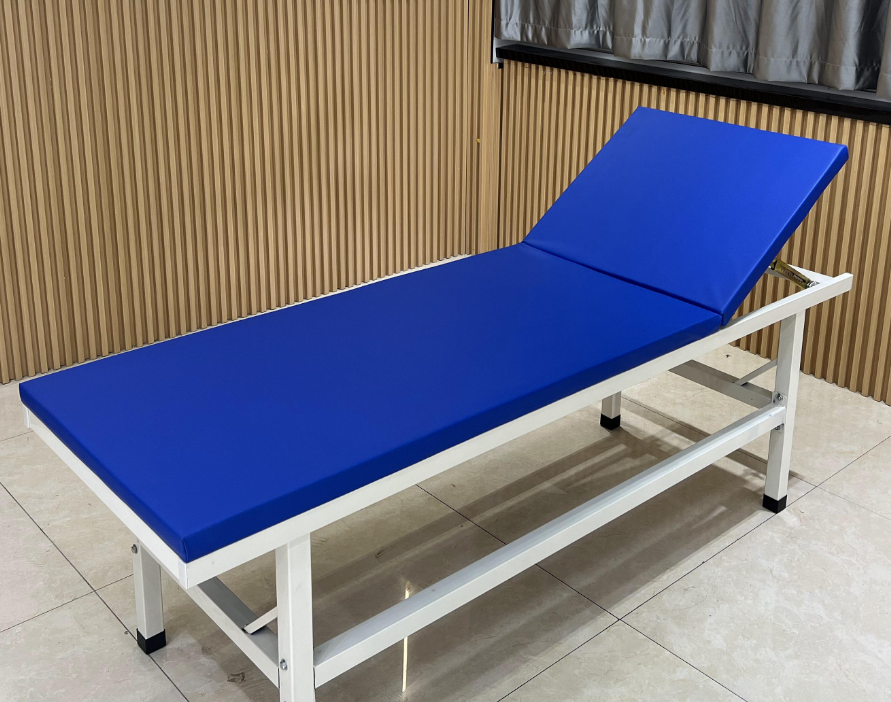
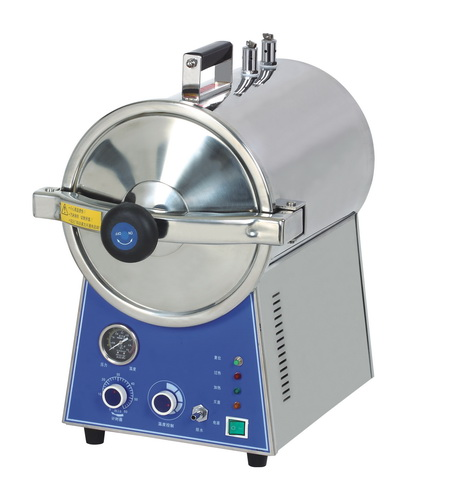
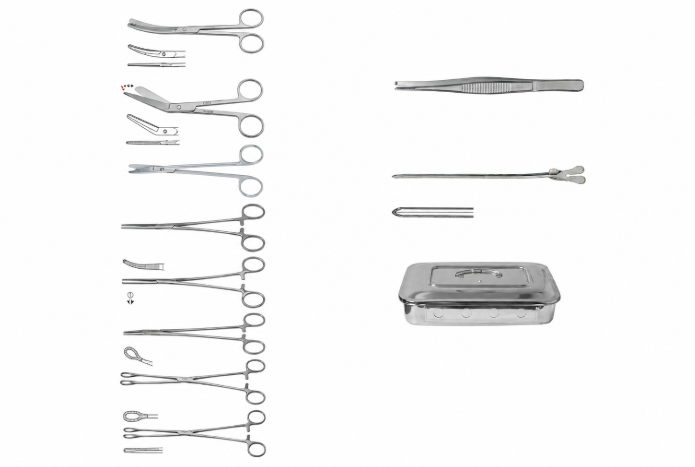
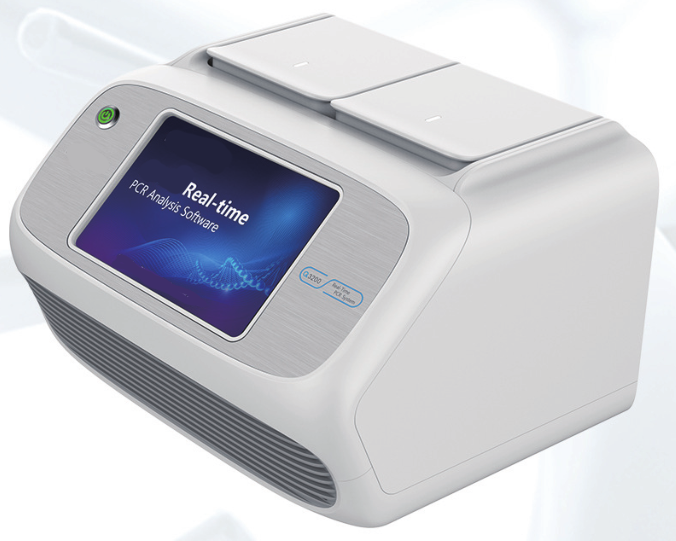
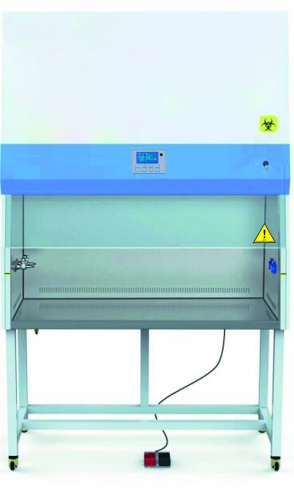
Ask bidders to distinguish standard accessories, optional components, software, method compatibility and recurring supply costs. Agree who performs installation and who responds when the system fails. Equipment categories shown below require local technical validation; they are not interchangeable with every existing diagnostic platform.
Equipment options to assess
Link delivery to sustained operation
Set a replenishment owner and a maintenance contact for each location. Track downtime and the reason for it rather than reporting only installation counts. Pilot the agreed workflow at a representative site before replicating it, and include a plan for sending samples elsewhere while a laboratory is unavailable.
Before placing the order
- Operational inventory by site
- Compatible supplies and service budget
- Fallback sample referral route
Related articles