Medical Equipment Purchasing in DR Congo: A Tender Checklist
A useful medical-equipment tender defines the service need, installation conditions, supplied accessories and support obligations before comparing prices. Request comparable configurations and a clear acceptance process for every quoted line.
Historical market information on DR Congo drew attention to equipment gaps and maintenance needs. It is background, not current market sizing, import advice or proof of present availability. Build the actual purchase on verified facility requirements and current quotations.
Use functional specifications
Describe the intended service and constraints rather than copying an unrelated model’s feature list. Specify the clinical users, workload, room conditions and required accessories. Where several departments are involved, ask each to approve its requirements so incompatible assumptions do not enter the same quotation.
Compare the complete delivered scope
Separate equipment price from transport, installation, training, consumables and service costs. Confirm lead time and stock status in a current quotation. An examination bed, patient monitor and sterilizer are different purchase lines with different acceptance needs; the examples below are not a prevalidated turnkey clinic package.
Equipment options to assess
-
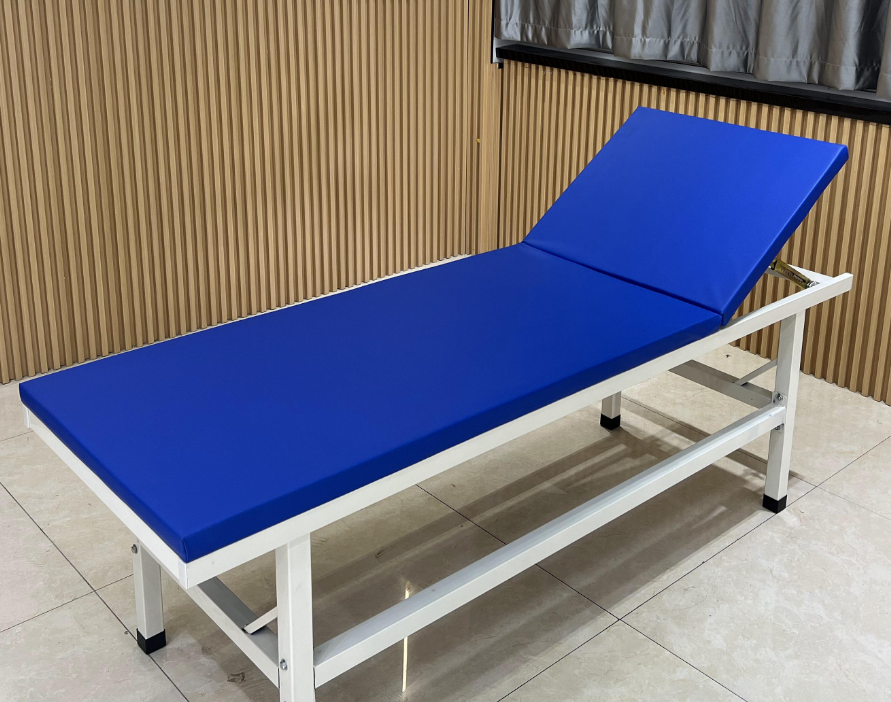
Examination Bed
SKU:C26070612
Check room access, installation and cleaning requirements.
View product -
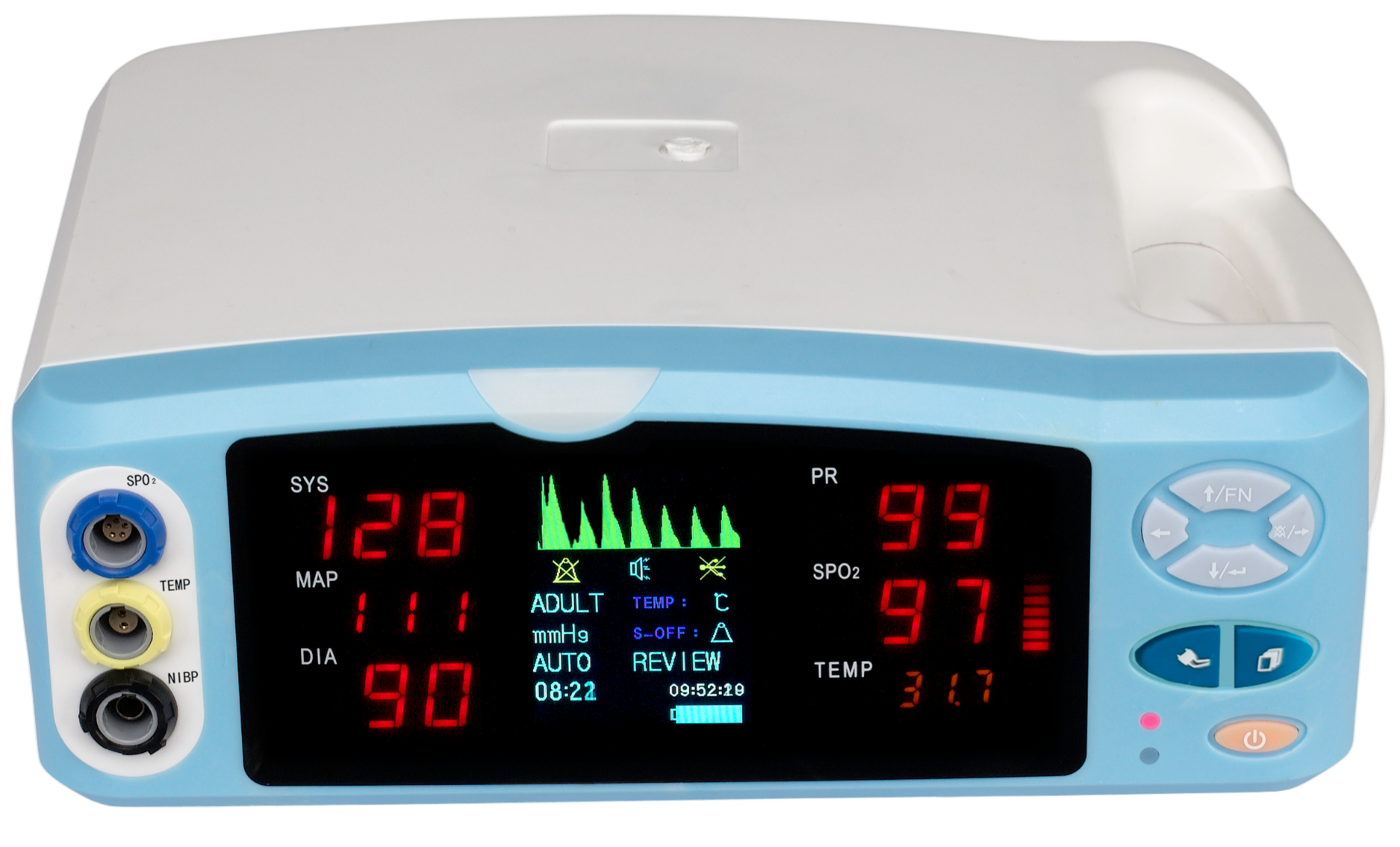
Vital Signs Patient Monitor
SKU:CCM-I11
Confirm patient group, sensors, cuffs and supplied accessories.
View product -
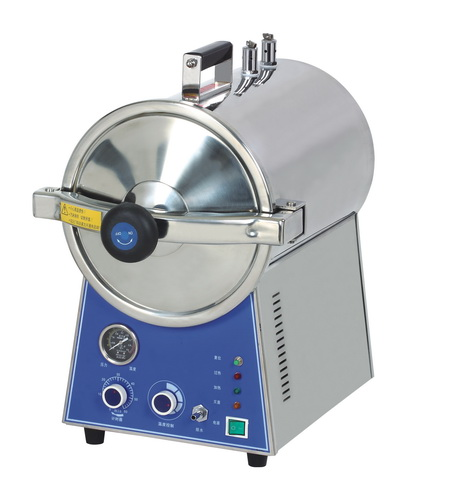
Tabletop Steam Sterilizer
SKU:CCS-T24J
Assess the chamber, approved loads and installation requirements.
View product
Make acceptance and service measurable
List the documents, accessories, installation checks and training records required at handover. Define the response channel for faults and clarify which parts and visits are covered. Keep unresolved specification differences in the clarification log and close them before award instead of relying on a product-page headline.
Before placing the order
- Department-approved functional requirements
- Comparable delivered costs and current lead time
- Documented acceptance and after-sales scope
Related articles