Hospital Oxygen Procurement in DR Congo: Plan the Full System
Hospital oxygen purchasing starts with a facility demand assessment, not a single concentrator’s headline output. Clinical and engineering teams should agree the required supply, distribution, backup and monitoring arrangements before equipment is selected.
The Kinshasa experience described in 2022 showed why local production, transport constraints and backup electricity belong in the same plan. Historical project capacities and costs are not specifications or current quotations for the products below.
Separate supply options from clinical demand
Compare cylinders, bedside concentrators and central production against the services to be supported. Assess simultaneous use and peak demand with the hospital team. A small concentrator cannot be assumed to replace a central oxygen installation, and a flow figure alone does not establish compatibility with downstream equipment.
Confirm interfaces and monitoring
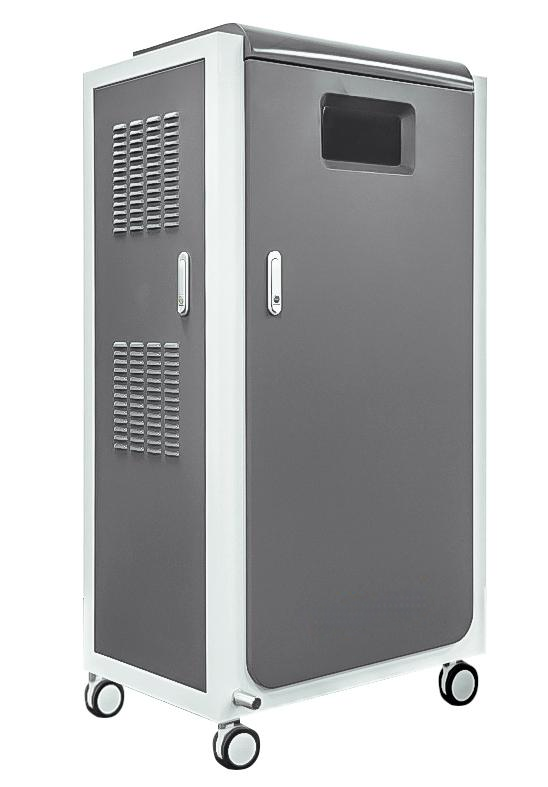
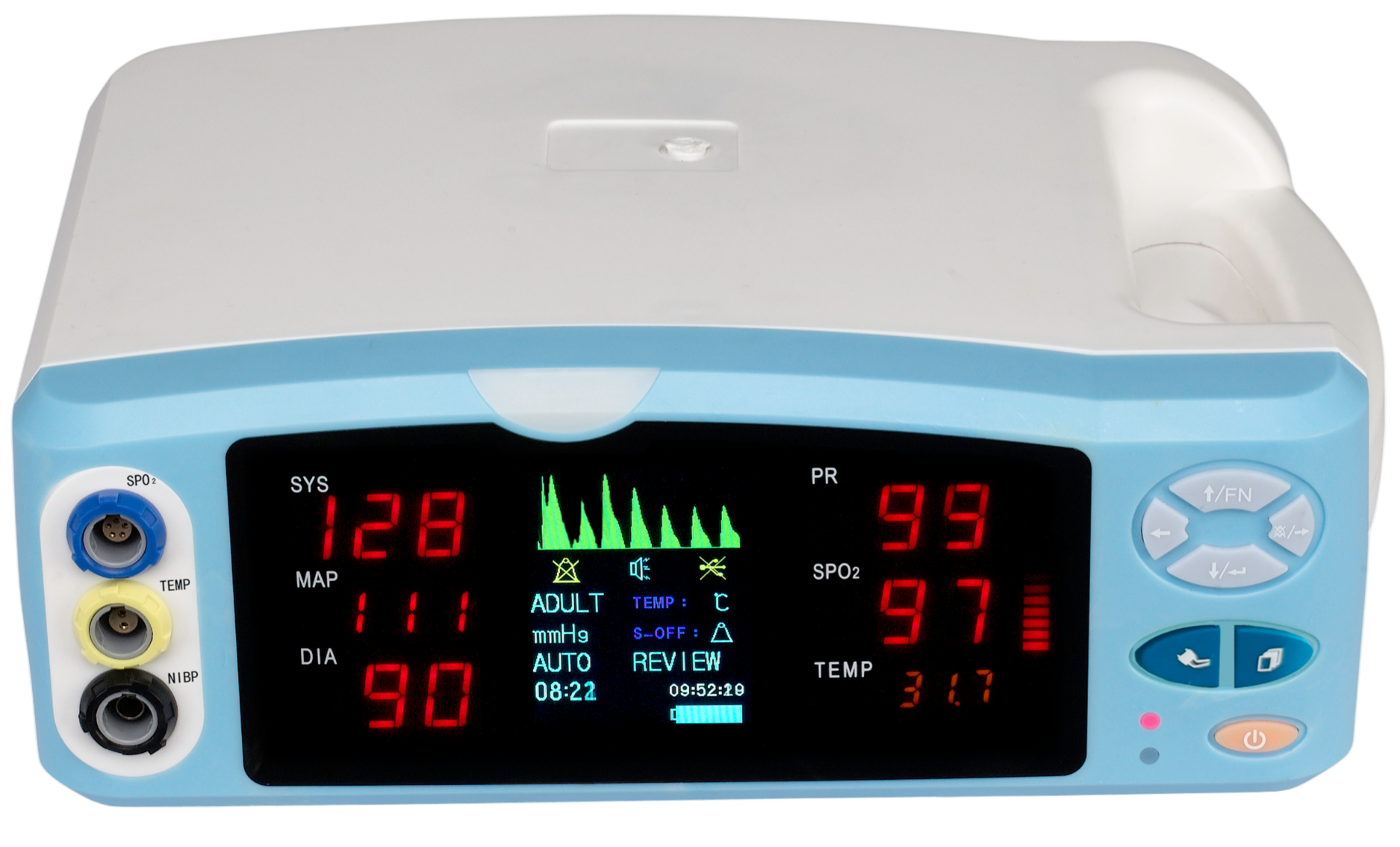
Request written outlet pressure, specified output conditions, connectors, alarms and electrical requirements. Treat patient monitoring as a separate function: it does not generate oxygen or verify gas purity. The concentrator and monitor below are components to assess, not a ready-designed hospital oxygen system.
Equipment options to assess
Budget for continuity
Include power resilience, preventive maintenance, replacement consumables and the agreed backup supply in the budget. Define the commissioning checks and the party responsible for each. Staff should receive instructions for routine operation and escalation; oxygen use and installation must follow the facility’s clinical and engineering procedures.
Before placing the order
- Facility demand assessment approved
- Connections and power confirmed
- Backup and maintenance responsibilities defined
Related articles