Referral Facility Equipment: Pair Clinical and Utility Readiness
An emergency referral facility needs equipment matched to its role and utilities that allow that equipment to work. Build the procurement list with the receiving clinical team, covering assessment, instrument processing, water, power and support.
The North Kivu response described in 2023 combined medical supplies with support to water and sterilization infrastructure. This is a useful reminder that a stand-alone equipment shipment cannot resolve every operational gap.
Work backwards from the referral role
Confirm which patients the facility can receive and which services remain at the next referral level. Check the expected assessment and monitoring workload with staff. Procurement documents should not imply that purchasing a monitor automatically creates intensive care or surgical capacity.
Plan the instrument processing chain
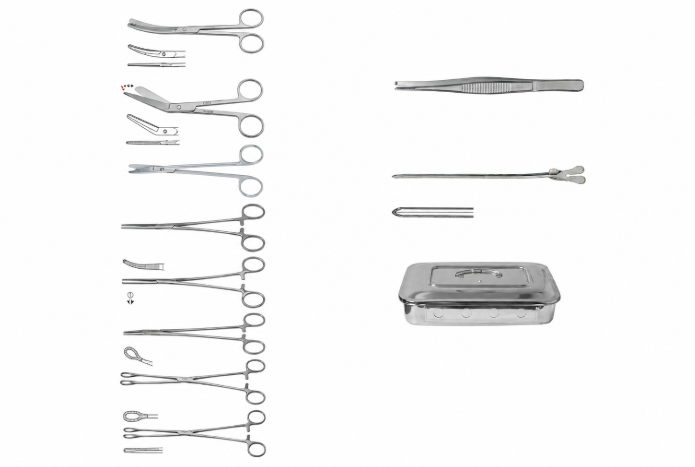
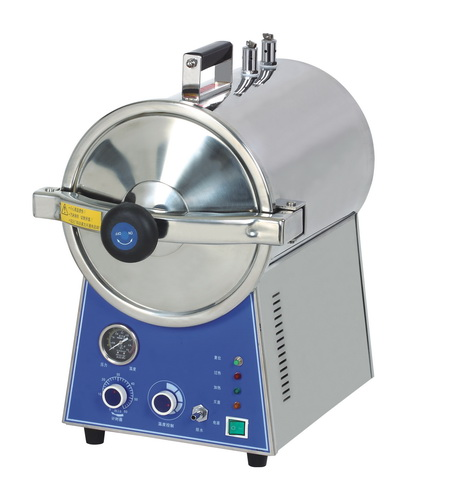
Where reusable instruments are used, assess collection, cleaning, inspection, packaging, the validated sterilization process and protected storage. Match a sterilizer to the approved load and site conditions. Chamber volume alone does not show whether an instrument set or packaged load is suitable.
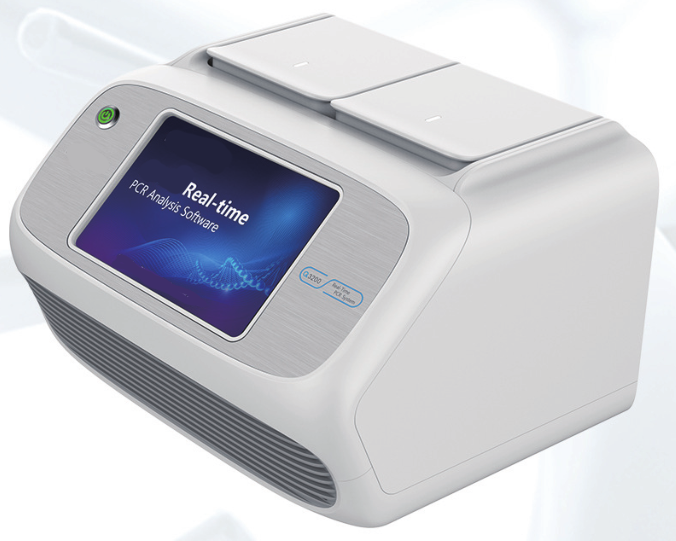
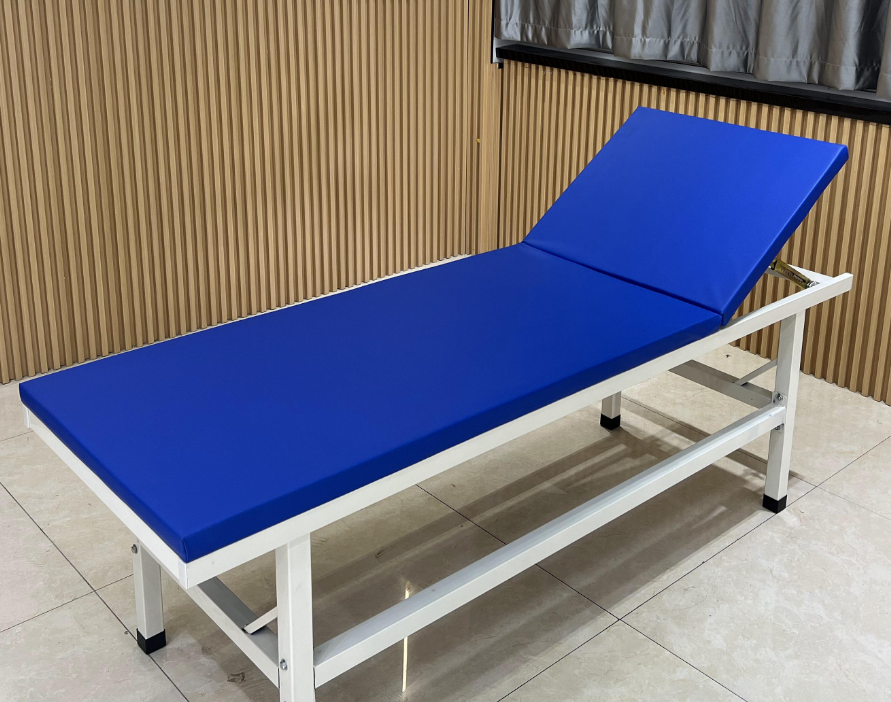
Equipment options to assess
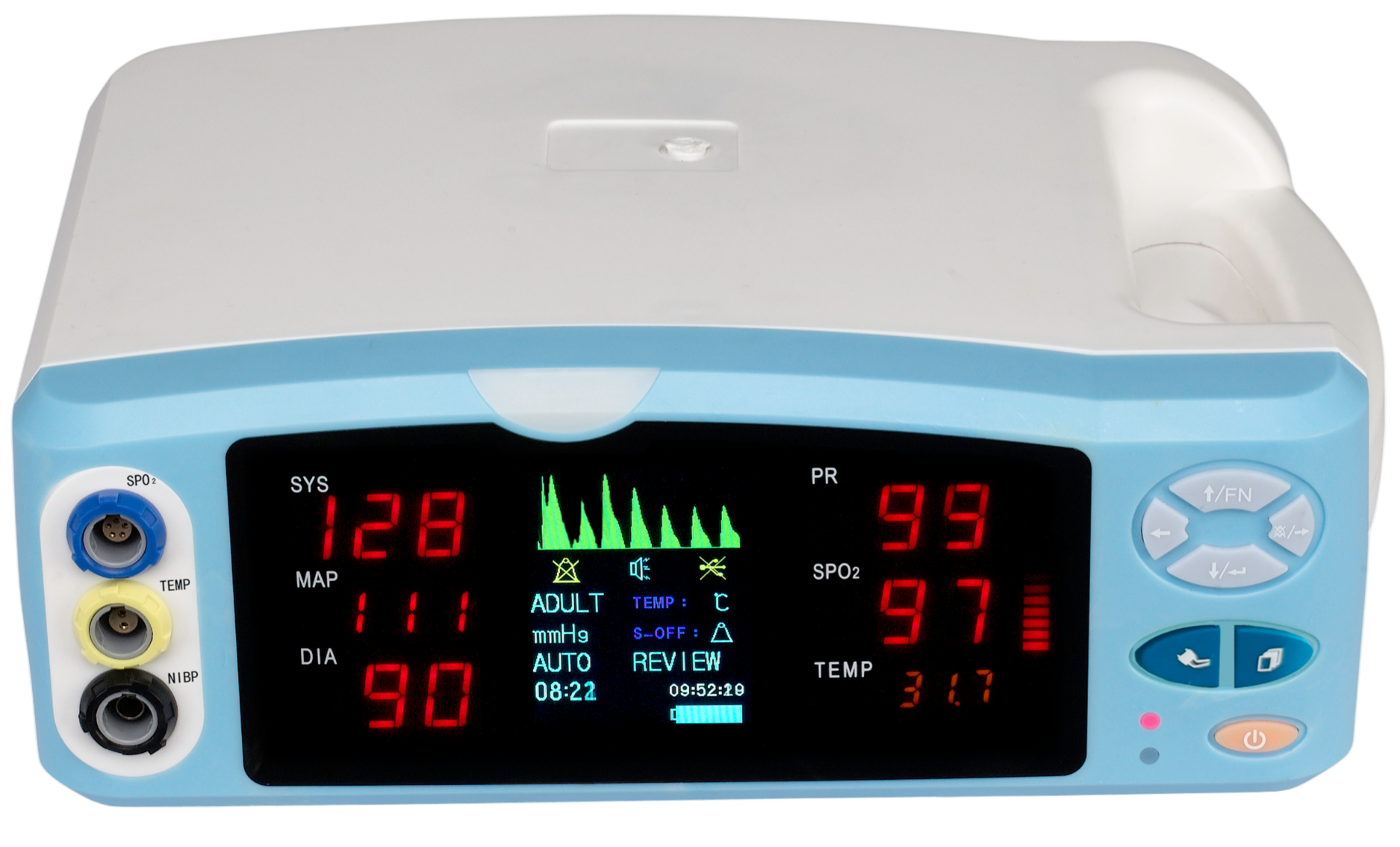
Assign utility and maintenance responsibilities
Identify who signs off electrical capacity and water requirements before delivery. Include operator training, spare parts and maintenance access in the contract. Keep a separate acceptance record for each device, including accessories and manuals, and document how the service will continue during an outage.
Before placing the order
- Referral role agreed with the receiving team
- Sterilizer load and utilities confirmed
- Equipment-specific acceptance and outage plan
Related articles