Reproductive Health Kits: Build a Facility-Based Supply Plan
Plan reproductive health supplies around the services each facility is staffed and equipped to provide. Separate instruments, medicines, disposable supplies and durable equipment so that a kit label does not conceal missing items or unsuitable quantities.
The North Kivu deliveries described in 2025 were coordinated with local facilities and their identified needs. That principle is useful for procurement: match the package to a service plan and assign responsibility for replenishment.
Define the contents line by line
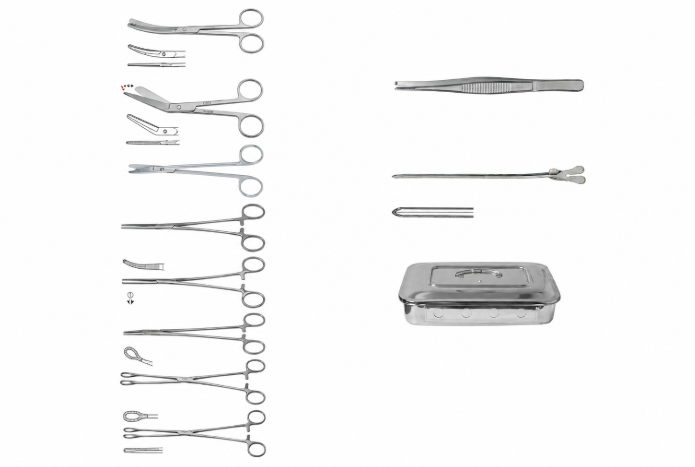
Ask for an itemized packing list, quantities, packaging condition and any applicable expiry or storage requirements. Have the responsible clinical team approve substitutions. An instrument-only delivery set does not include every medicine, consumable or neonatal device needed by a maternity department.
Keep durable equipment on a separate schedule
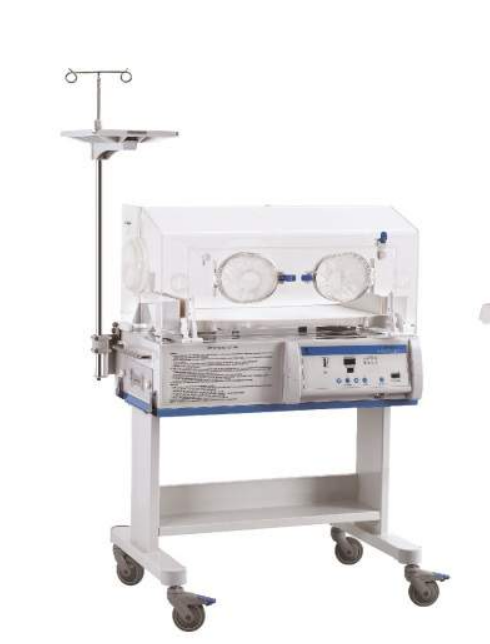
A delivery instrument set and an incubator address different needs and should be evaluated separately. Confirm the exact instrument inventory, then check incubator configuration, power and training requirements. The products below are individual options for comparison, not a complete humanitarian reproductive health kit.
Equipment options to assess
Use consumption to guide replenishment
Record issues to each department and distinguish stock-outs from unused stock. Review order quantities against service activity and realistic delivery lead times. For time-sensitive supplies, agree the acceptable remaining shelf life at receipt and the escalation route when transport is delayed.
Before placing the order
- Clinical approval of the itemized list
- Separate equipment commissioning plan
- Named stock owner and replenishment trigger
Related articles