Mobile Maternity Services: Equipment and Referral Planning
Procurement for a mobile maternal-health team should start with the services offered on the route and the conditions for referral. Pack only equipment that staff can transport, use, clean and support within that operating model.
The Kasaï experience described in 2017 combined mobile consultations, reproductive-health supplies and referrals to a hospital. It supports a planning distinction between outreach capacity and the more complex services provided at a receiving facility.
Define the route and service package
Record travel duration, transport constraints, available power and the expected consultations. Ask the clinical lead to approve the equipment list and patient groups. A compact device may still require specific accessories, charging time or environmental conditions that are difficult to provide on the route.
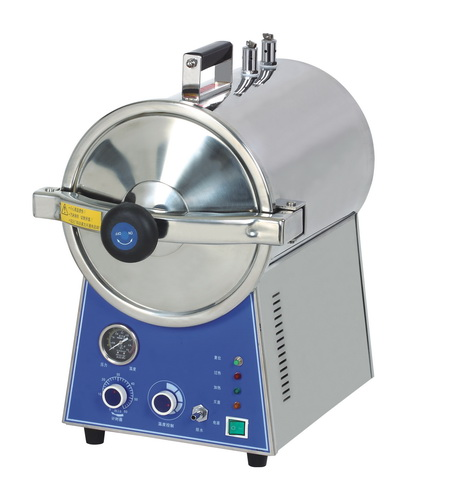
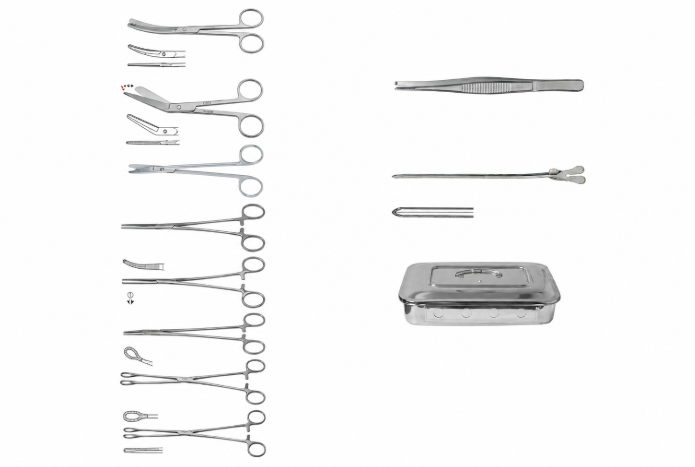
Separate reusable sets from ready-to-use supplies
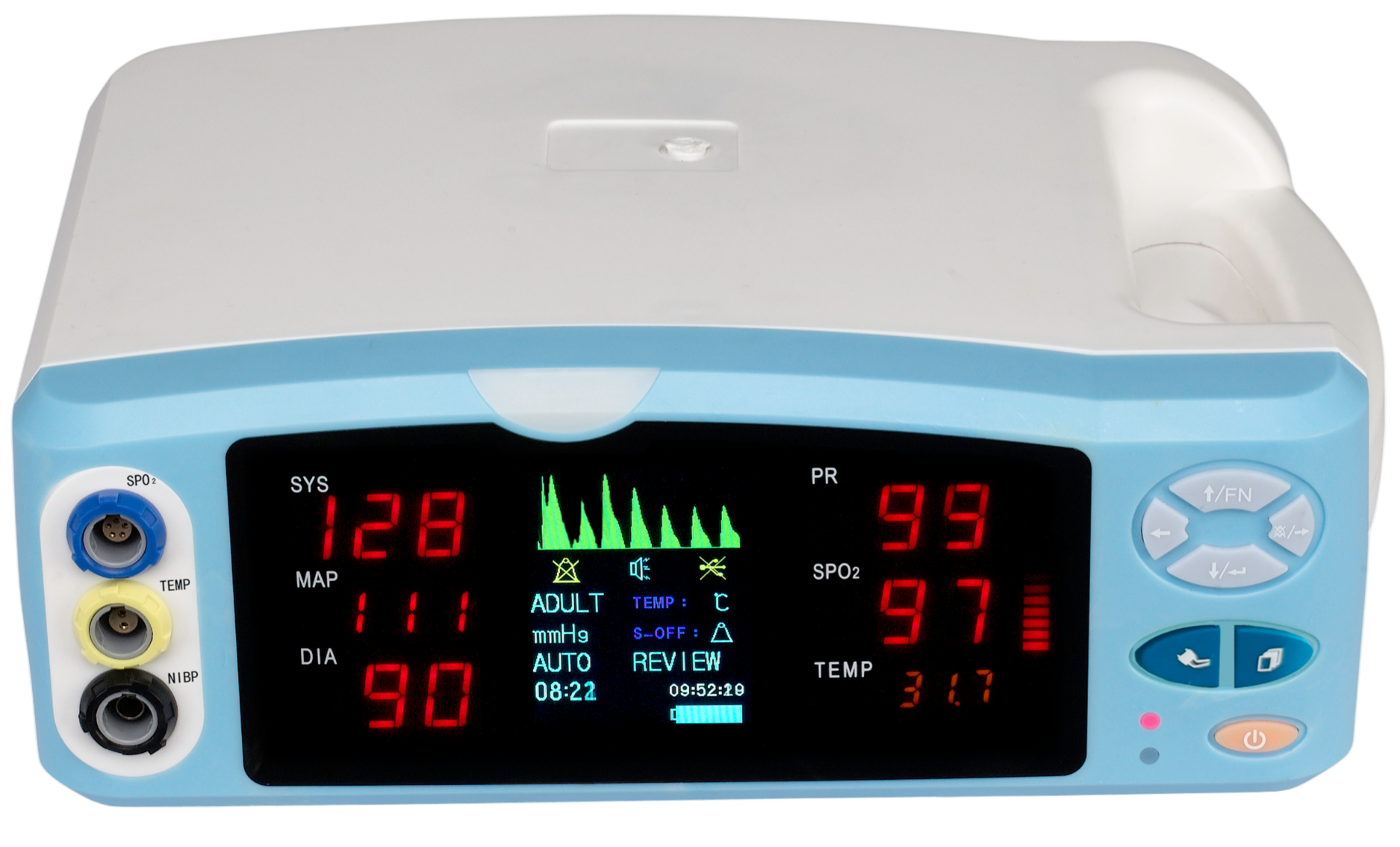
Check the supplied condition of the delivery set and arrange its approved processing between uses. For a vital-signs monitor, verify suitable cuffs and sensors and test the planned charging arrangement. These products do not constitute a complete mobile maternity kit, and the monitor is not a fetal monitor.
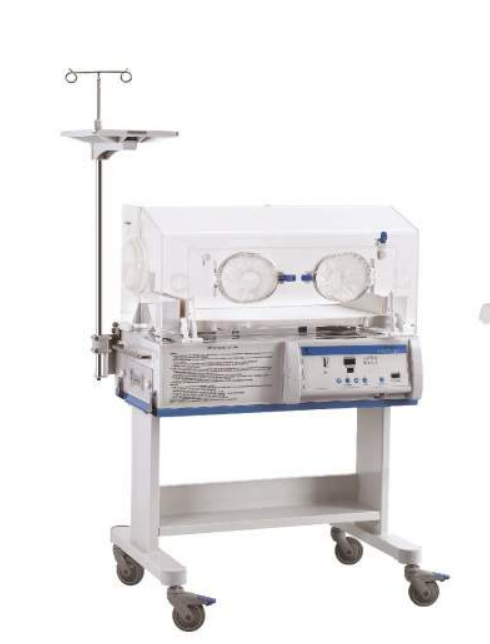
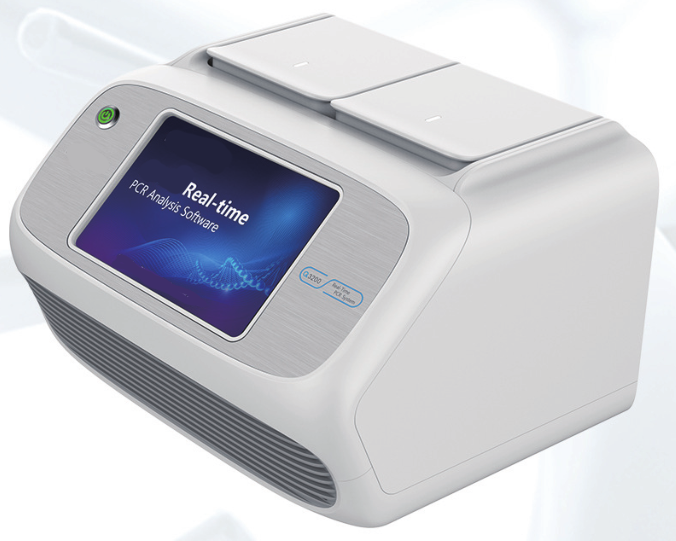
Equipment options to assess
Plan the handover to a receiving facility
Identify the referral destination and communication contact before deployment. Agree the documentation that accompanies the patient and the process for arranging transport. Keep equipment logs and replenishment records with the team so missing supplies are identified before the next trip, not during a consultation.
Before placing the order
- Route-specific equipment and power plan
- Processing, accessories and replenishment
- Receiving-facility contact and handover documents
Related articles