Emergency Medical Shipments: Plan the Last Mile to Clinics
An emergency shipment is useful only when the receiving facilities can identify, receive and put its contents into service. Prepare the destination list, itemized packing data, transport arrangements and receiving contacts before dispatch.
The medical cargo delivered to eastern DR Congo in March 2023 included emergency health supplies and midwifery kits for multiple destinations. For buyers, the practical lesson is to plan allocation and last-mile delivery alongside procurement.
Pack by destination and function
Label each package with its destination, contents and handling requirements. Separate items needing controlled storage from general equipment. Give each facility a packing list it can reconcile without opening every box, and agree how discrepancies or damaged packaging will be reported.
Check whether equipment is ready to use
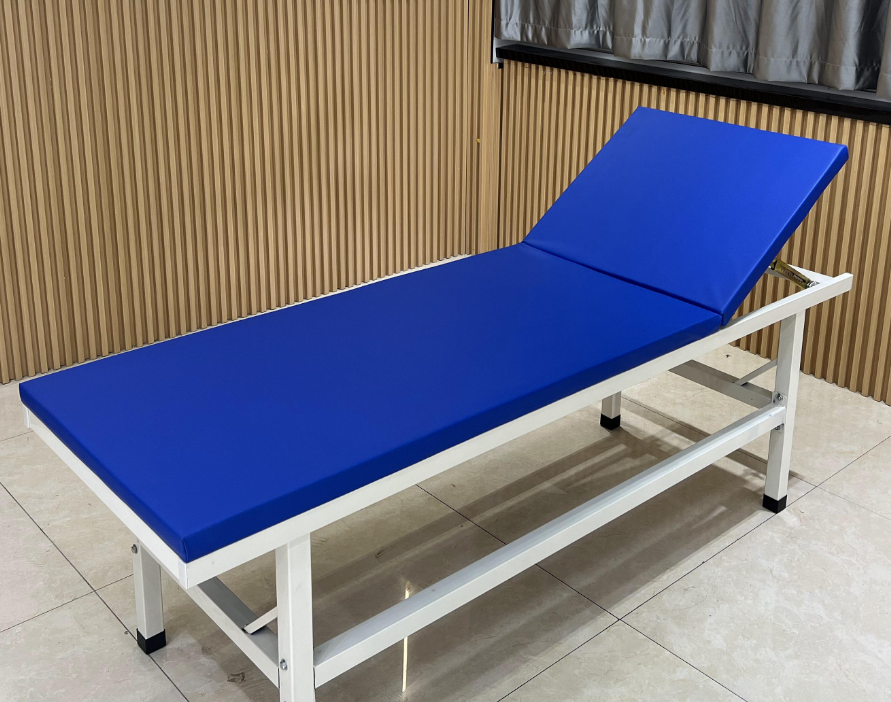
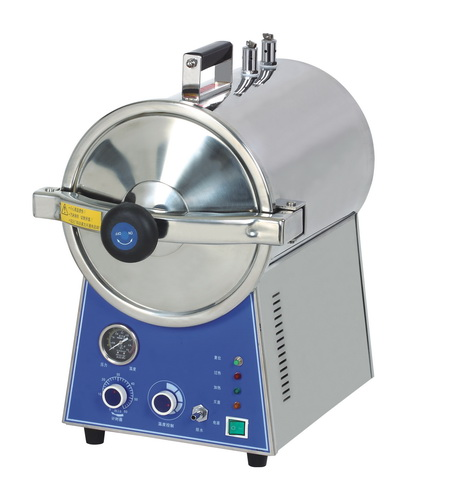
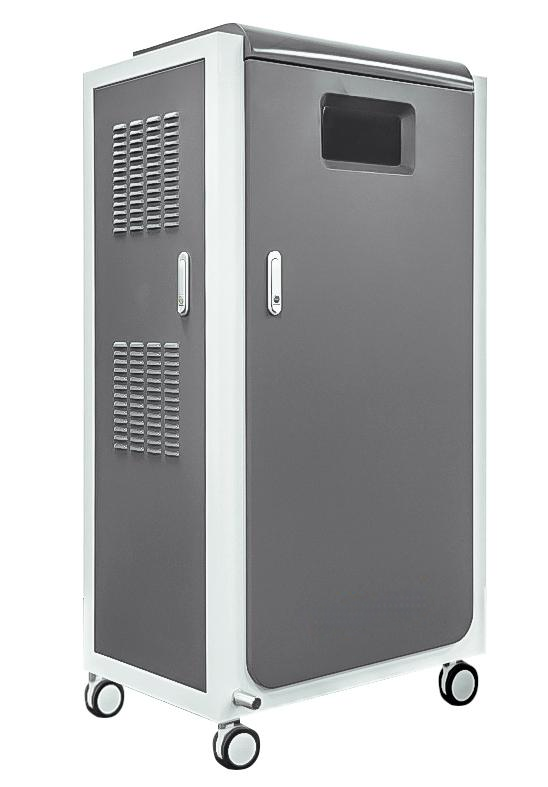
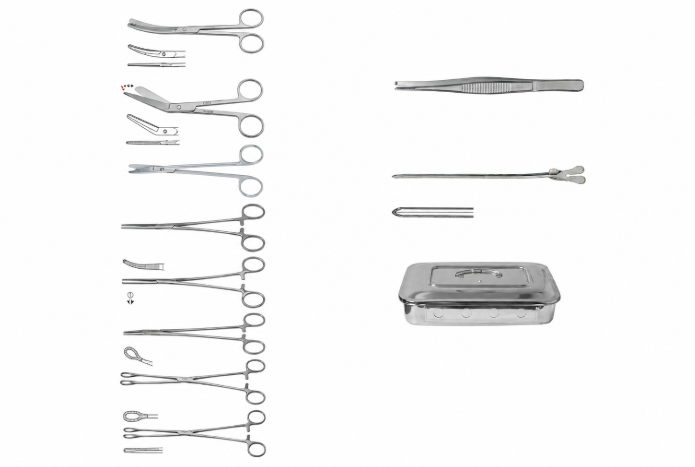
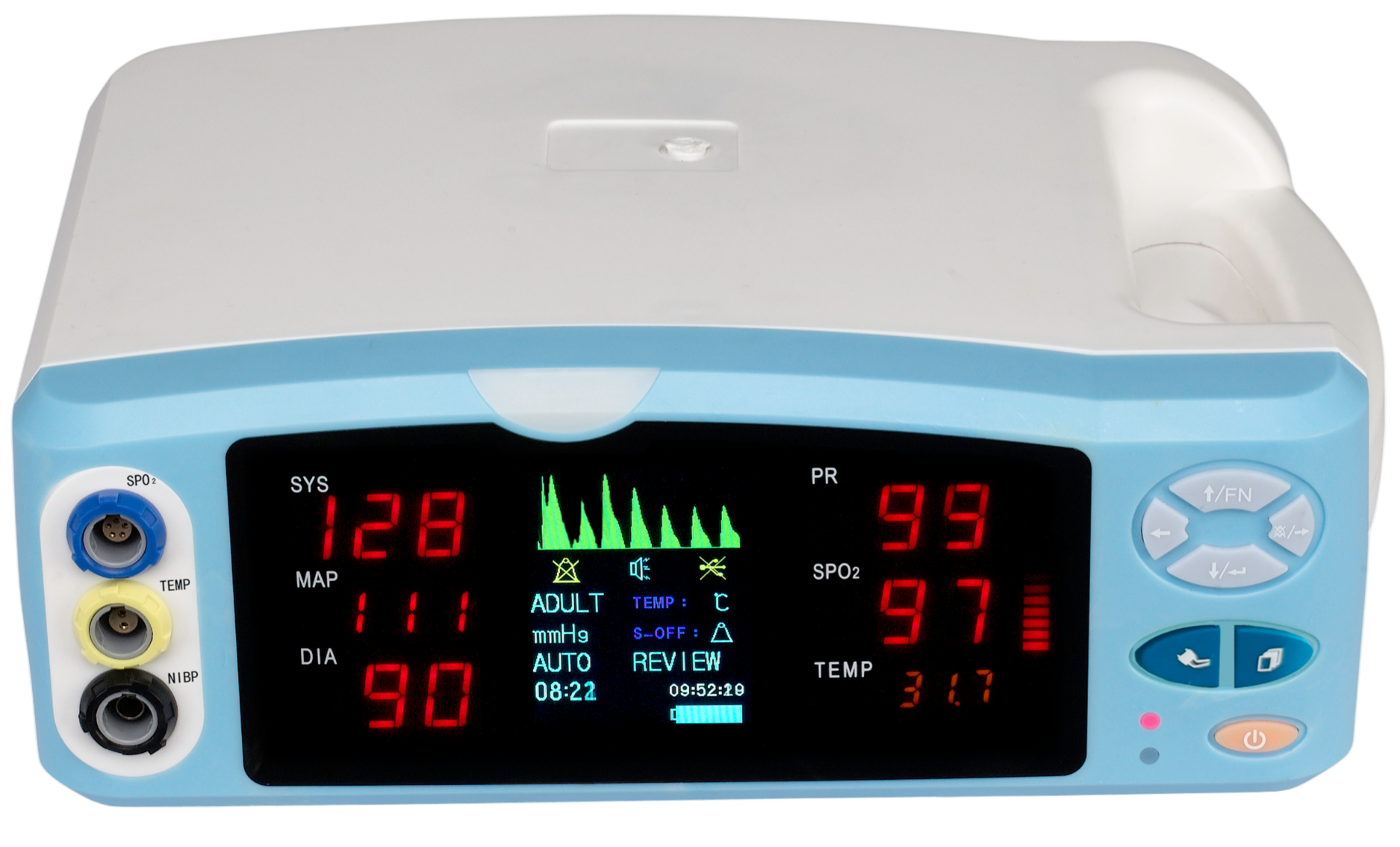
For an instrument set, verify the actual contents and processing instructions; for a monitor, verify the supplied sensors, cuffs, power adapter and intended patient group. The examples below require their own clinical and technical review and do not represent all items in an emergency health kit.
Equipment options to assess
Close the loop after delivery
Track arrival at the facility separately from arrival at the airport or central warehouse. Obtain the recipient’s reconciliation and document missing accessories. Assign a follow-up contact who can arrange training or replacement parts so equipment does not remain boxed while service demand continues.
Before placing the order
- Destination-level allocation and contacts
- Itemized packing and handling instructions
- Facility receipt and commissioning follow-up
Related articles