Reusable Medical Instruments: Procure the Processing Workflow
When buying reusable instruments, include the process that makes them ready for the next patient. Specify the intended procedures, compatible cleaning and sterilization instructions, staff responsibilities and protected storage before selecting quantities.
The DR Congo experience discussed in 2019 highlighted the risks associated with inadequately equipped routine facilities and shared medical instruments. Procurement can support infection prevention, but equipment alone does not establish a safe clinical workflow.
Match instruments to processing instructions
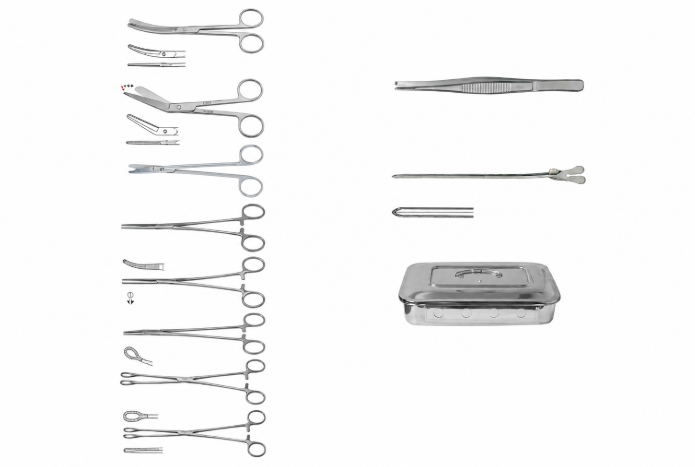
Request instructions for each instrument or set, including whether it is supplied sterile and whether it is reusable. Do not infer processing compatibility from metal appearance or a product photograph. The responsible team should validate the intended load and method before choosing a sterilizer.
Assess capacity as a complete cycle
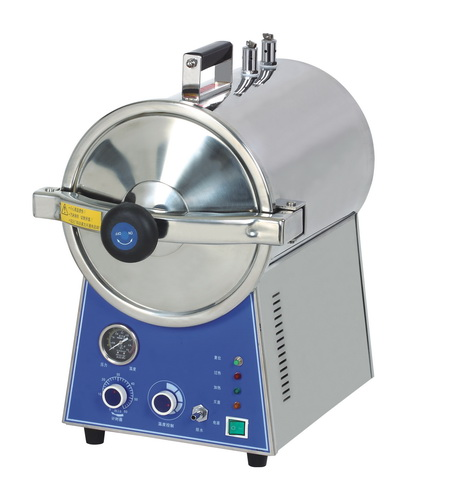
Count the time needed for collection, cleaning, inspection, packaging, the validated cycle and storage. Chamber size or a quoted exposure time is not the same as daily processing capacity. The instrument set and sterilizer below are separate purchasing options; compatibility must be established for the actual load and instructions.
Equipment options to assess
Require records and ownership
Agree the records, monitoring supplies and staff training required by the facility’s validated process. Define who releases processed loads and who responds to a failed cycle. This purchasing checklist is not an Ebola decontamination protocol; disease-specific handling and clinical infection-control procedures require the responsible specialists.
Before placing the order
- Reusable status and instructions confirmed
- Actual load and process compatibility validated
- Monitoring, records and release responsibilities agreed
Related articles