Blood Pressure Monitor Procurement: An Evidence Checklist
Before comparing blood pressure monitor prices, ask for a dossier that identifies the exact device, its intended users and the evidence supporting its proposed use. A product photograph or a general certificate cannot resolve those questions.
For a clinic buying several units, make document review a separate purchasing step. The aim is to prevent an attractive quotation from becoming an order before important gaps are visible.
Separate three purchasing questions
Market authorization, evidence of measurement accuracy and practical suitability answer different questions. Check authorization for the destination market and the precise model. Ask which validation report applies to that model and its cuff configuration. Then assess whether the instructions, patient population and operating conditions match the planned service. Do not transfer evidence from a similar model or another accessory configuration.
Build a document-to-item register
Use one row per quoted model with columns for model identifier, document version, intended population, approved accessories and unresolved questions. Ask the seller to explain any mismatch between the quotation and the supporting documents. Keep missing evidence marked as pending; a blank field must not become an assumed approval. Product options below are items for assessment, not a declaration that their regulatory or validation files have been reviewed.
Monitors for configuration review
-
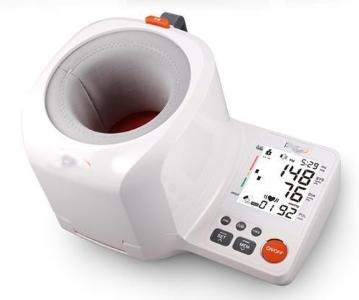
Electronic Blood Pressure Monitor CCB-800B67
SKU:CCB-800B67
Review the intended setting, fit range and current instructions before specifying this model.
View product -
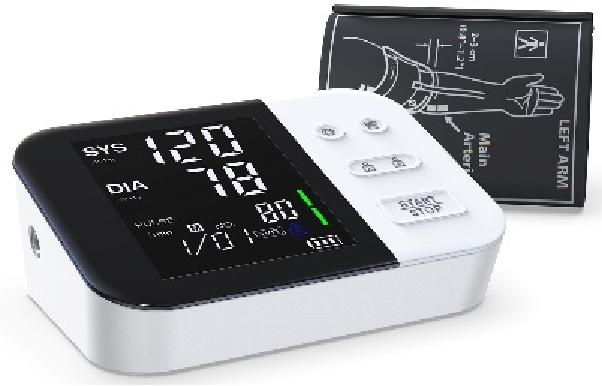
Arm Blood Pressure Monitor
SKU:C260519321
Confirm the supplied cuff, validation documentation and replacement accessories.
View product
Release the order in stages
Assign document review to a named clinical or technical reviewer before commercial approval. At delivery, reconcile labels and accessories with the approved quotation, record serial numbers and retain the instructions. If the supplied model changes, reopen the evidence review. A delivery demonstration can confirm that a device operates; it does not replace formal validation. Include service contact, return arrangements and replacement cuff availability in the purchase record.
Related articles
