Wrist or Upper-Arm Blood Pressure Monitor: Document the Fit
Choose a measurement location through an assessment of fit and intended use, not simply the smallest device or lowest price. An upper-arm monitor with a suitable cuff is generally the starting point for home measurement; difficulty finding a fit needs individual review.
A wrist device may be considered in some circumstances, but it brings its own positioning requirements. Procurement staff should document the need and obtain clinical input rather than turn an exception into a default purchasing rule.
Describe the problem before selecting an alternative
Record whether the difficulty concerns cuff circumference, arm access, mobility or the person’s ability to apply the device. Ask what compatible upper-arm options are available. Do not solve a fitting problem by attaching an unconfirmed cuff or by assuming that a generic size label proves suitability.
Check whether the user can reproduce the setup
For a proposed wrist option, ask the care team to observe the actual user following the model’s instructions. Wrist position relative to heart level matters; convenience does not remove that requirement. Arrange comparison with measurements in the clinical setting as advised by the care team. Do not use a single matching reading to declare formal validation.
Monitors for configuration review
Keep the decision and supply plan together
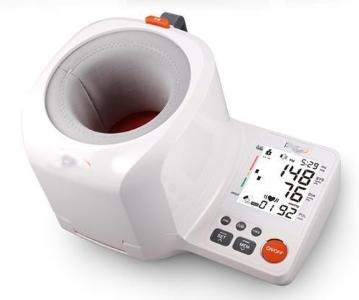
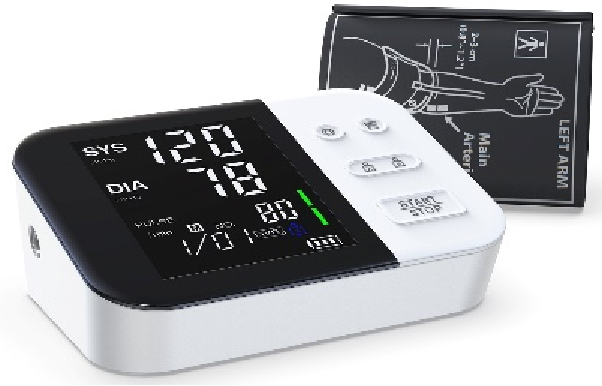
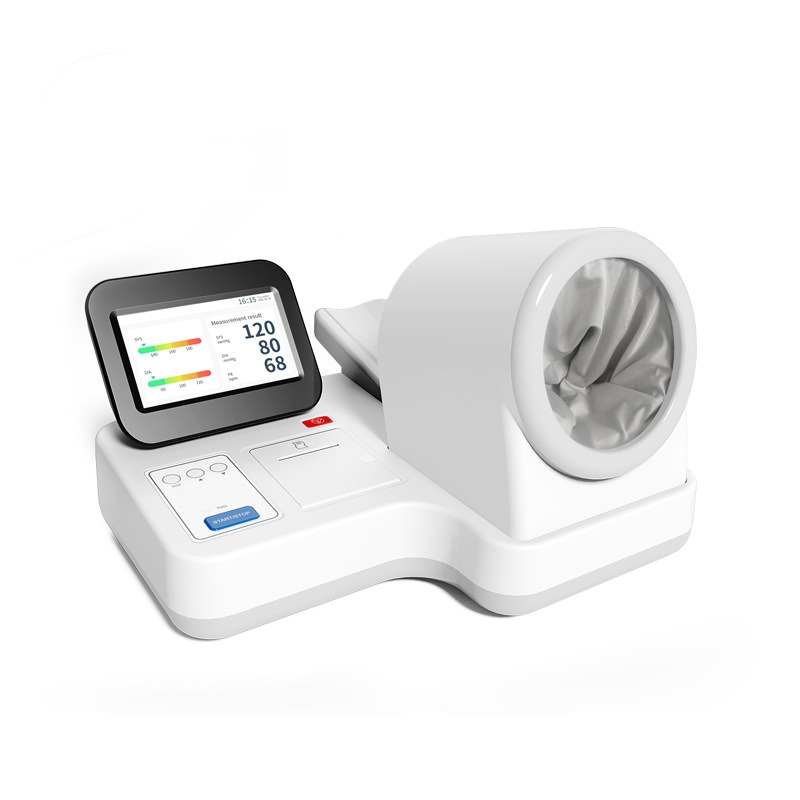
Record the selected model, reason, fitting instructions, training completed and follow-up contact. Reassess if the user cannot repeat the setup. The monitors below are upper-arm options for further enquiry, not wrist devices. Request their documented fit ranges and accessory information before ordering. This keeps catalogue availability separate from the clinical decision about an individual’s measurement method.
Related articles