Cuffless Blood Pressure Technology: Plan a Separate Evaluation
Treat the evaluation of cuffless blood pressure technology as a separate project from equipping a routine measurement service. Frequent readings and a convenient wearable format do not, by themselves, establish suitability for clinical decisions.
A useful purchasing brief states what the proposed system measures, where it will be used and who will review the evidence. It should also identify the established measurement pathway that remains available during evaluation.
Write a bounded evaluation brief
Ask whether the output is an absolute pressure estimate or a change relative to calibration. Request the calibration method, interval and conditions, together with the exact hardware and software versions. Define who owns the reference equipment, trains staff and records missing or failed measurements. These responsibilities need a budget even when the wearable itself is inexpensive.
Compare service requirements, not reading counts
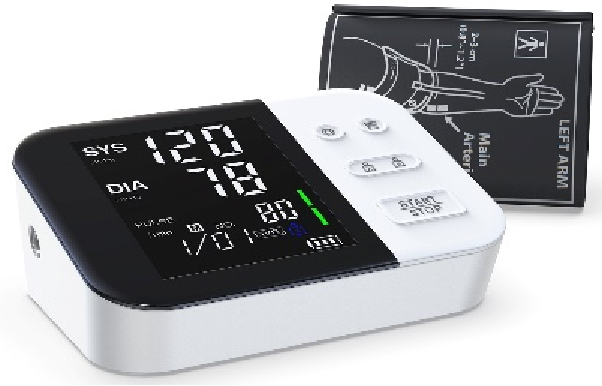
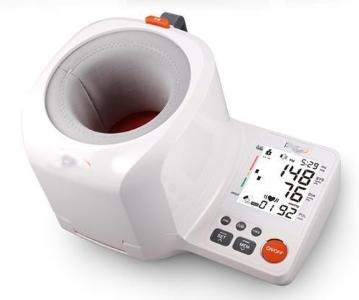
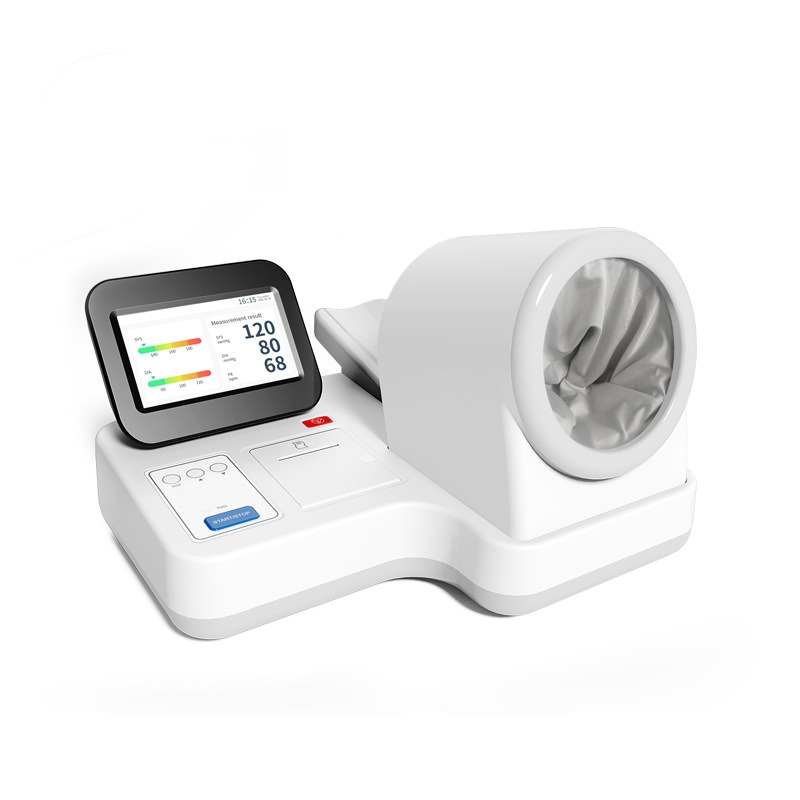
A home cuff monitor, an ambulatory monitoring service and a cuffless platform create different workflows. Compare setup time, fitting, record retrieval, interpretation responsibilities and support needs. Do not assume that more observations make the systems interchangeable. The cuff-based product categories below can be assessed for their own intended uses; they are not evidence that a cuffless proposal is ready for adoption.
Monitors for configuration review
Set exit conditions before a pilot
Define when the evaluation ends, how unresolved accuracy questions will be escalated and how data can be exported or deleted. Keep exploratory outputs identifiable so they cannot silently enter routine clinical records. Require a fresh review after a material software or calibration change. Adoption should depend on appropriate evidence and clinical governance, not on a successful sales demonstration or the number of readings collected.
Related articles