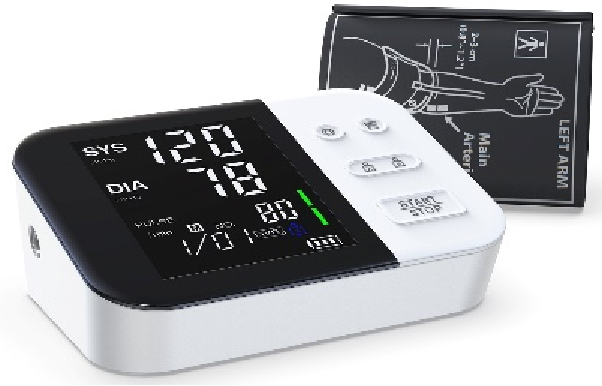
Home Blood Pressure Monitor Loans: Design the Service First
A clinic lending blood pressure monitors needs a handover and return process as much as it needs devices. Plan who selects the kit, teaches its use and receives the readings before deciding how many units to buy.
Keep home self-measurement distinct from ambulatory monitoring. The latter requires its own fitting, recording and review arrangements; a loan programme should not promise that the two pathways are interchangeable.
Estimate usable capacity
Build the stock plan from the number of concurrent loans, the time equipment spends awaiting return and the time reserved for checking and cleaning. Keep a separate reserve for faulty or incomplete kits. This is a planning model, not a fixed clinical schedule: the care team determines the measurement plan for each patient.
Make every handover traceable
Record the device identifier, cuff provided, accessories, planned return and staff contact. Have the user demonstrate fitting, starting a reading and locating the result before leaving. Agree how the care team will receive the record and how the user should raise difficulties. Ask about memory, export and user profiles rather than assuming these features are present on every quoted unit.
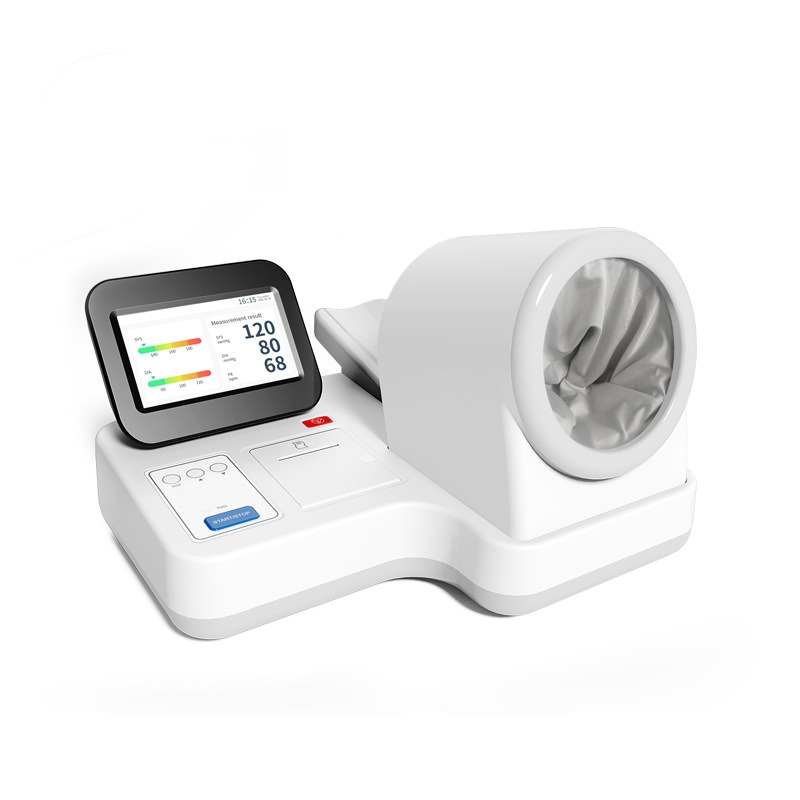
Monitors for configuration review
Close the loop at return
Count components, review reported faults and follow the device instructions for cleaning and servicing before the next loan. Handle stored readings under the clinic’s privacy procedure. A missing cuff or unresolved error should keep that kit out of available stock. Compare proposals on the cost of a complete reusable kit, replacement parts and staff time, rather than the monitor price alone. The product categories below help define separate equipment enquiries; confirm intended use and current supply details.
Related articles
