Phototherapy Capacity: Include Follow-Up and Rebound
Shorter device use does not necessarily mean the same reduction in service workload. Phototherapy planning also needs cleaning, reassessment, results review and capacity for infants who require further treatment.
Do not turn a study schedule into a universal timer setting. Treatment duration and post-treatment testing belong to the clinical protocol and the individual infant assessment, not the purchasing specification.
Count the work after the light is switched off
Map who orders the next test, where the sample is collected, who receives the result and how a family is contacted. A follow-up appointment without a results owner is an incomplete process. Include weekend and out-of-hours arrangements in the service review.

Use a workload model with separate components
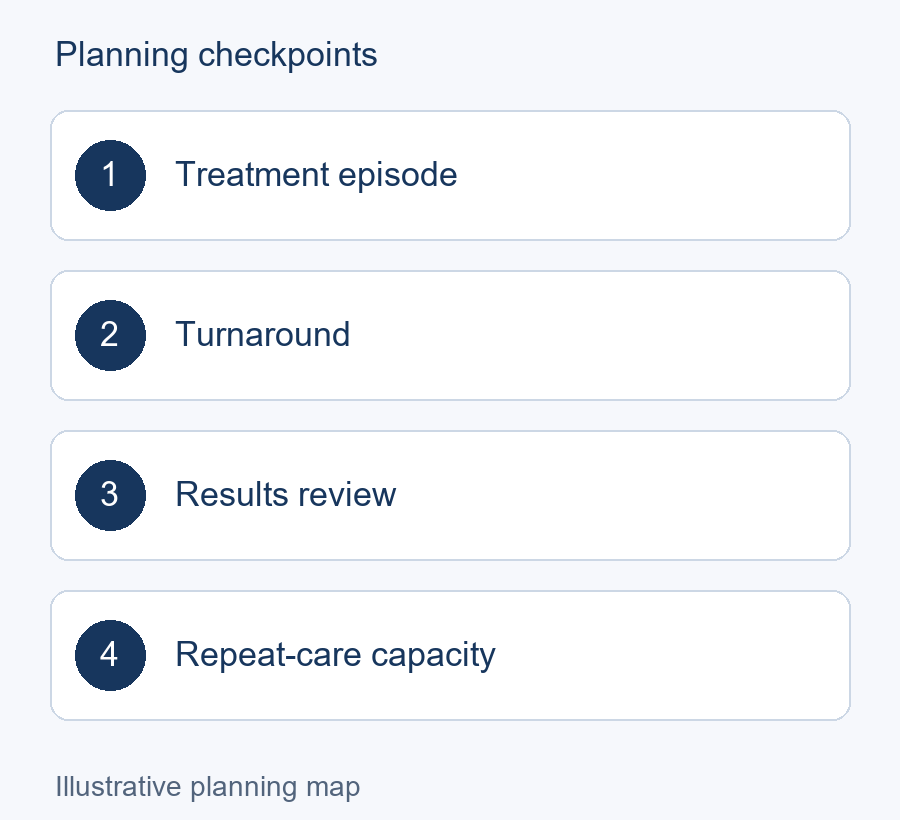
Start with local numbers of treatment episodes and repeat episodes. Add the actual time needed for cleaning, inspection and allocation to the next patient. Keep this operational time separate from the clinician-directed treatment interval. Review peaks as well as averages before deciding how many usable units are needed.
Equipment configurations to review
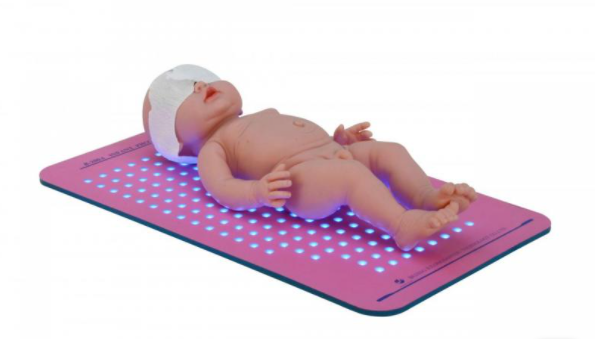
Infant LED Phototherapy Unit with Pad
CCI-200A
Catalogue describes an LED unit with a soft phototherapy pad. Request the complete accessory list, approved cleaning method and model-specific optical report.
View product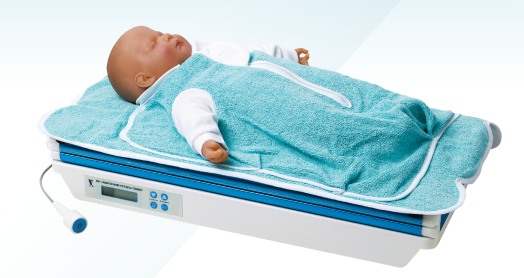
Neonate Bilirubin Phototherapy System
CCI-NBBII
Catalogue lists a bed, mattress, support and reflection cover, with temperature monitoring and a timer. Confirm the delivered configuration and applicable operating instructions.
View product
Test a delayed-result scenario
During a tabletop exercise, assume that the scheduled result is late and the usual device is unavailable. Identify who assesses the infant, what approved alternative is available and how the decision is documented. This exposes capacity gaps that a nominal lamp count misses.
Procurement comparison
| Workload component | Local input | Planning use |
|---|---|---|
| Treatment episodes | Ward activity records | Routine device demand |
| Repeat treatment | Actual repeat-episode records | Reserve capacity |
| Turnaround | Cleaning and inspection observations | Time before reassignment |
| Follow-up | Appointments and results-review workload | Staff and laboratory coordination |
Decision before ordering
Review these inputs after the service starts. A shorter average treatment interval should only change the equipment plan when the clinical team confirms that follow-up and repeat-treatment capacity remain adequate.
Related articles