Overhead or Pad Phototherapy: Compare the Whole Setup
Compare overhead and pad-based phototherapy as complete configurations. Similar light-source labels do not establish equivalent exposure, handling or clinical performance.
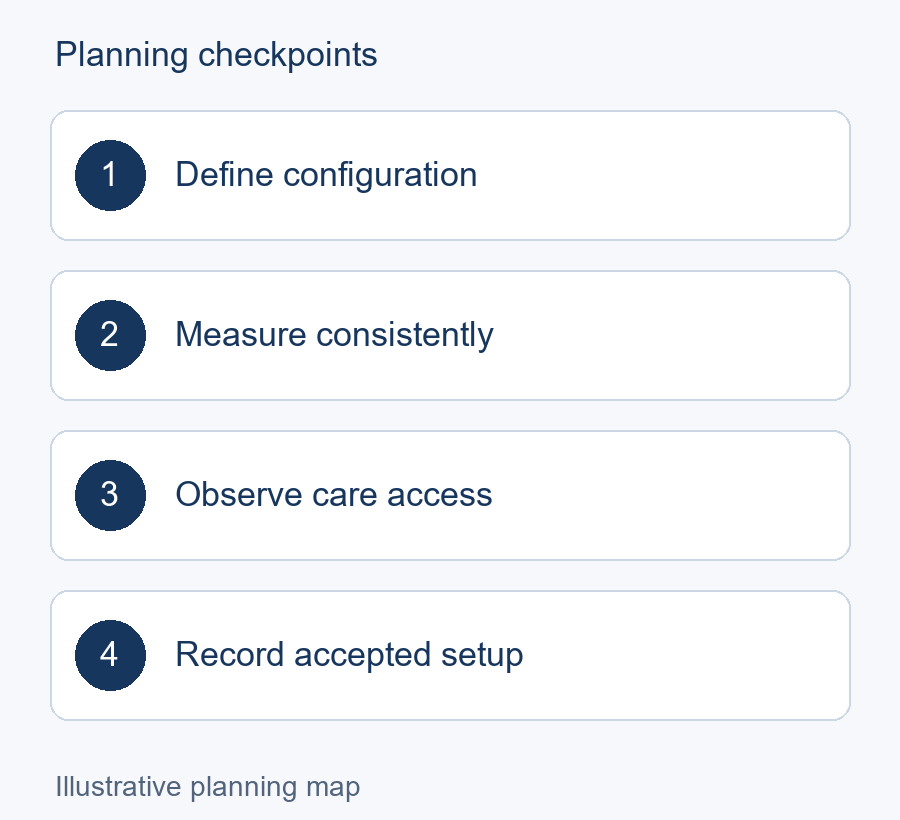
A useful demonstration follows a normal nursing sequence: position the system, check the prescribed setup, provide care, document interruptions and prepare for the next patient. Observe each step with the intended accessories.
Agree what is being compared
Record the exact light source, pad or cover, mounting arrangement and measurement conditions for each offer. Keep central output, output distribution and exposed area distinct. Do not rank systems by a single headline number measured under different conditions.

Make nursing access part of evaluation
An overhead stand needs stable placement and room around the cot. A pad-based configuration requires checks of the supplied patient-contact components, positioning instructions and cleaning process. Ask staff to demonstrate access during routine care without improvising an unapproved setup.
Equipment configurations to review
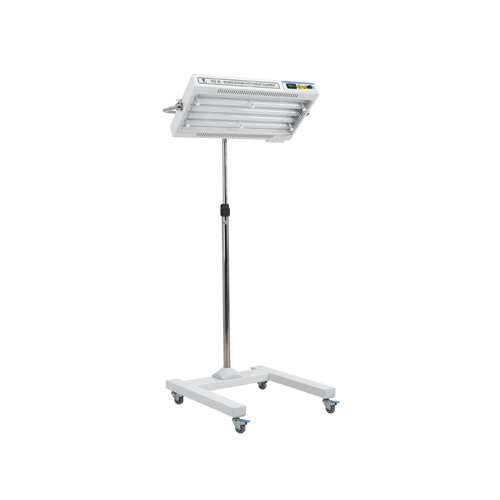
Neonatal Jaundice Treatment Lamp
CCI-XHZ90
Catalogue offers mobile and fixed arrangements. Confirm the exact light-source variant, mounting compatibility and measurement conditions.
View product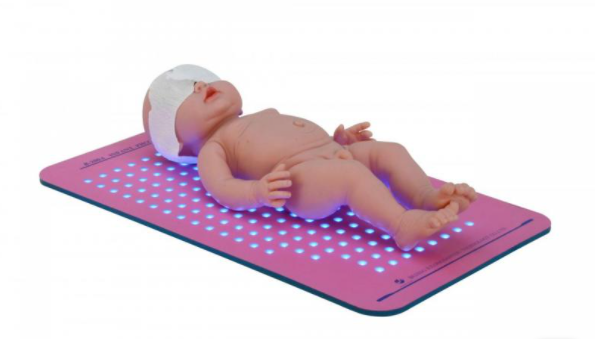
Infant LED Phototherapy Unit with Pad
CCI-200A
Catalogue describes an LED unit with a soft phototherapy pad. Request the complete accessory list, approved cleaning method and model-specific optical report.
View product
Document the configuration that passed
Attach accessory identifiers and the accepted setup to the purchase record. If an alternative cover, mattress or mount is proposed later, review compatibility before use. A successful demonstration of one arrangement does not approve every possible combination.
Procurement comparison
| Comparison area | Overhead configuration | Pad-based configuration |
|---|---|---|
| Placement | Stand clearance and positioning limits | Pad position and approved contact components |
| Optical assessment | Distance and distribution across the footprint | Specified measurement surface and cover condition |
| Routine care | Access around the cot and interruptions | Handling and access with the supplied components |
| Turnaround | Cleaning of accessible surfaces | Cleaning and replacement rules for contact parts |
Decision before ordering
Choose the arrangement that can be operated consistently in the intended ward and supported with documented checks. Keep clinical efficacy evaluation with the neonatal team; a procurement demonstration is not a clinical trial.
Related articles