Medical Equipment Delivery Damage Inspection: A Hospital Receiving Checklist
A delivery signature should not be treated as proof that a medical device is safe or complete. Hospitals buying equipment from overseas need a receiving record that separates physical arrival, damage claims, technical acceptance, and clinical release. The steps below give procurement and biomedical teams a practical handover sequence.
Before unloading
Compare the shipment notice, purchase order, and packing list. Count crates and check the model and destination before the carrier leaves. Reserve a clean, secure inspection area and follow the manufacturer's handling markings. If a crate is visibly damaged, photograph it before moving it and record the condition on the carrier paperwork, subject to the contract and local claims process.
Inspect and document shipment damage
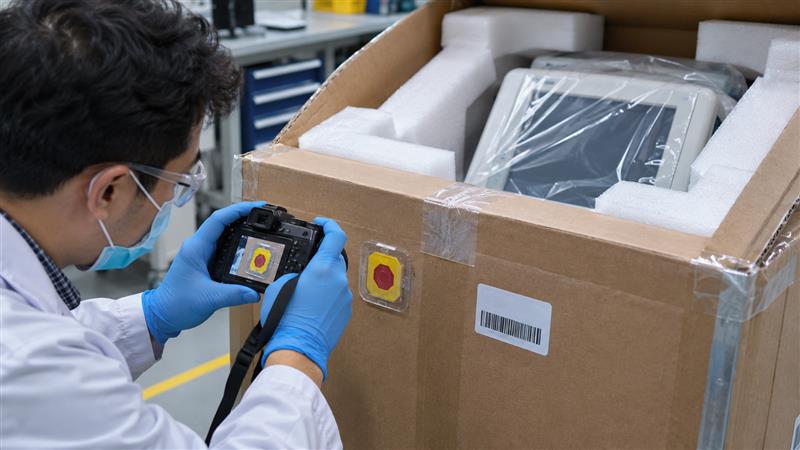
Photograph every side of each crate, seals, impact or tilt indicators, wet areas, broken pallets, and internal cushioning as the package is opened. Record the date, delivery reference, crate number, and the person who inspected it. Do not discard packaging until the supplier and carrier have reviewed a suspected claim. A damaged carton does not automatically prove the device is damaged, but it does require a documented technical check.
Reconcile the delivered configuration
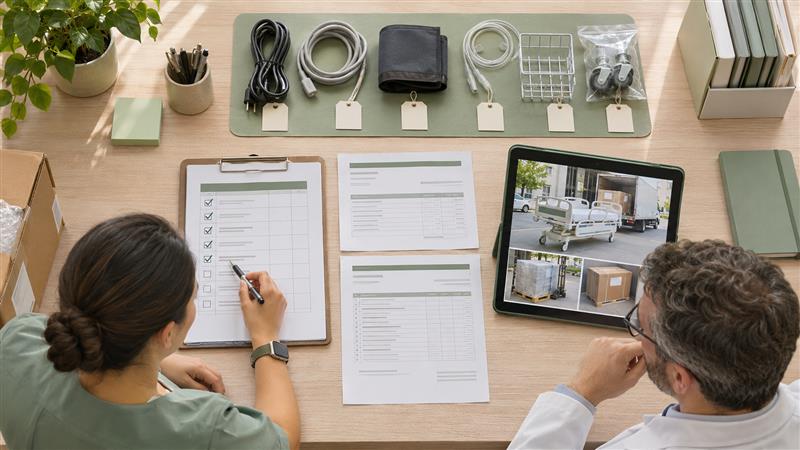
Match model, serial number, quantity, accessories, power specification, manuals, software licenses, and any ordered spare parts to the purchase order. Note missing or substituted items in a discrepancy log, with photographs and a named owner for follow-up. The inspection record should distinguish a shipping defect from a specification mismatch. For upstream planning, see our medical equipment shipping guide.
Quarantine, test, and release
Keep suspect equipment out of clinical use until qualified staff assess it under the manufacturer's instructions and the hospital's policies. Physical receipt is not commissioning: installation, functional checks, safety checks, user training, and formal handover remain separate gates. Our hospital equipment commissioning checklist covers those later steps. Where damage or nonconformance is found, notify the supplier promptly and agree in writing whether the remedy is repair, replacement, missing-item shipment, or further inspection.
Seven-point receiving checklist
1. Count and identify every crate before signing.
2. Photograph external packaging and handling indicators.
3. Record visible damage on delivery documents.
4. Open and inspect with procurement and biomedical representatives.
5. Match model, serial numbers, accessories, manuals, and power rating.
6. Quarantine any suspect item and log the owner and next action.
7. File the evidence, supplier response, and final acceptance decision together.
WHO guidance on medical equipment procurement calls for immediate post-delivery inspection and documentation of damage or specification nonconformance. This checklist is an operational template, not a substitute for the manufacturer's instructions, local regulations, or the purchase contract.
Related articles