Hospital Laundry Equipment Planning 2026: Linen Workflow and Procurement Guide
Quick Answer

Hospital laundry planning should connect dirty linen receipt, washing, drying, finishing, folding, staging, clean storage, and internal distribution as one workflow. In 2026, procurement teams should define washer capacity, dryer throughput, flatwork finishing, infection control separation, utility loads, carts, and maintenance support before choosing brands or machine sizes.
Related products
Begin with Dirty-to-Clean Flow
Laundry departments work best when materials move in one direction. Hospitals should map soiled linen receipt, sorting, wash classification, drying, ironing, folding, packing, and dispatch before buying equipment. This workflow-first approach also supports the procurement budget guide.
Define the Core Laundry Equipment Package
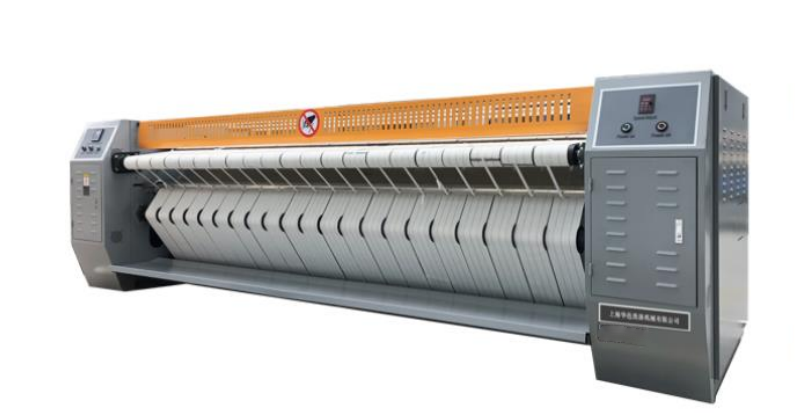
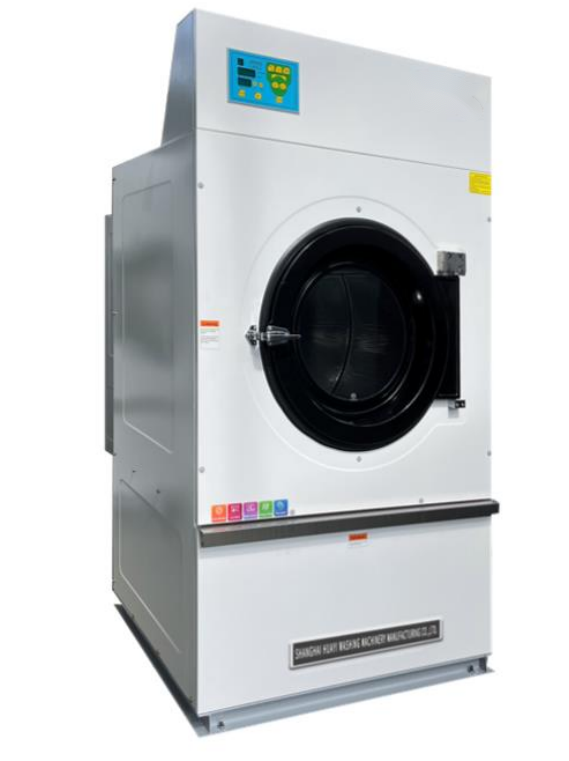
A typical package may include barrier washers or conventional washers, dryers, flatwork ironers, folding tables, pressing stations, linen carts, shelving, weighing tools, and chemical dosing support. Some projects also need steam finishing, garment hanging systems, or dedicated isolation processing depending on case mix and hospital size.
Separate Soiled and Clean Zones Clearly

The most important planning rule is preventing dirty and clean linen from crossing paths. Room layout, staff movement, loading direction, staging space, and cart circulation should all reinforce separation. Hospitals often coordinate this hygiene discipline with CSSD workflow planning and broader turnkey hospital setup projects.
Size Capacity Around Peak Linen Demand
Average daily linen volume does not tell the whole story. Teams should calculate ward turnover, operating room demand, maternity peaks, isolation load, and emergency reserve. Sites supporting intensive clinical activity should align laundry planning with the operating room checklist and the emergency department setup guide.
Match Utilities to Equipment Performance
Laundry projects depend heavily on water, drainage, steam, electricity, ventilation, and floor loading. Underplanned utilities often delay installation or reduce real output after handover. Procurement teams should confirm utility readiness before equipment shipment instead of treating it as a late construction issue.
Plan Sorting, Finishing, and Storage with the Same Discipline
Hospitals sometimes focus only on washers and dryers, but real throughput also depends on sorting benches, staging areas, folding capacity, flatwork finishing, and clean linen storage. A department that washes enough linen but cannot finish and dispatch it on time still creates operational bottlenecks.
Include Infection Control and Staff Safety
Laundry scope should cover PPE flow, hand hygiene points, chemical handling, ergonomic loading, spill response, and procedures for contaminated linen. These requirements matter even more when the project interfaces with medical waste handling workflows and isolation areas.
Ask About Service Access and Spare Parts
Laundry equipment runs hard every day, so maintenance terms matter commercially. Hospitals should ask about bearings, belts, doors, heating systems, dosing components, service response, preventive maintenance, and spare-parts availability. Those questions should be reviewed together with the maintenance contracts guide.
Connect Procurement with Linen Management Policy
The best projects link machine selection with linen classification, distribution frequency, emergency reserve, and replacement policy. Procurement should support the hospital's operating model instead of forcing staff to adapt around undersized or poorly sequenced equipment.
FAQ
What is the most common hospital laundry planning mistake?
The most common mistake is sizing washers only by kilograms per day without mapping dirty-to-clean workflow and finishing capacity.
Are barrier washers always necessary?
Not always. They are valuable where infection control separation is critical, but the correct choice depends on hospital risk profile and workflow.
Why do utility checks matter so much?
Because laundry output depends on stable steam, drainage, water supply, ventilation, and power as much as on the machines themselves.
Conclusion
An effective hospital laundry project combines workflow, separation, utilities, finishing capacity, storage, and maintenance into one dependable service model. The strongest 2026 laundry departments are planned to protect infection control while keeping linen available for wards, theaters, and emergency care. For broader sourcing coordination, start with China Care Medical and review the complete procurement checklist.
Related articles