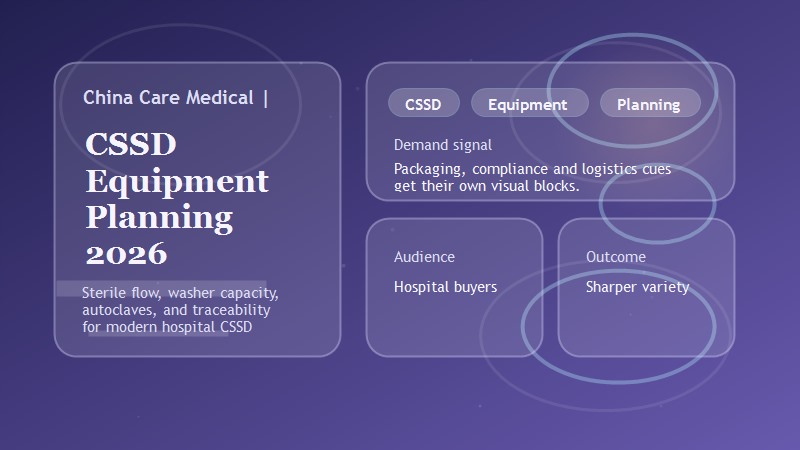
Central Sterile Supply Department Setup 2026: CSSD Equipment Planning and Workflow Guide
Quick Answer

A strong CSSD project starts with workflow discipline, not with a shopping list. In 2026, hospitals should plan dirty receipt, decontamination, inspection, packing, sterilization, sterile storage, and case-cart dispatch as one connected process. When procurement teams define room zoning, equipment capacity, utilities, traceability, and preventive maintenance early, the CSSD can support operating rooms, labor wards, intensive care, and procedure rooms without constant bottlenecks.
Related products
Start with Instrument Flow from Dirty to Sterile
The first planning question is how instruments move, not how many machines fit in the room. Hospitals should map where contaminated trays arrive, where sorting happens, where washers and ultrasonic cleaning are placed, where sets are inspected and packed, and how sterile loads return to storage or dispatch. This same phased planning approach works well in the procurement budget guide.
Define the Core CSSD Equipment Package
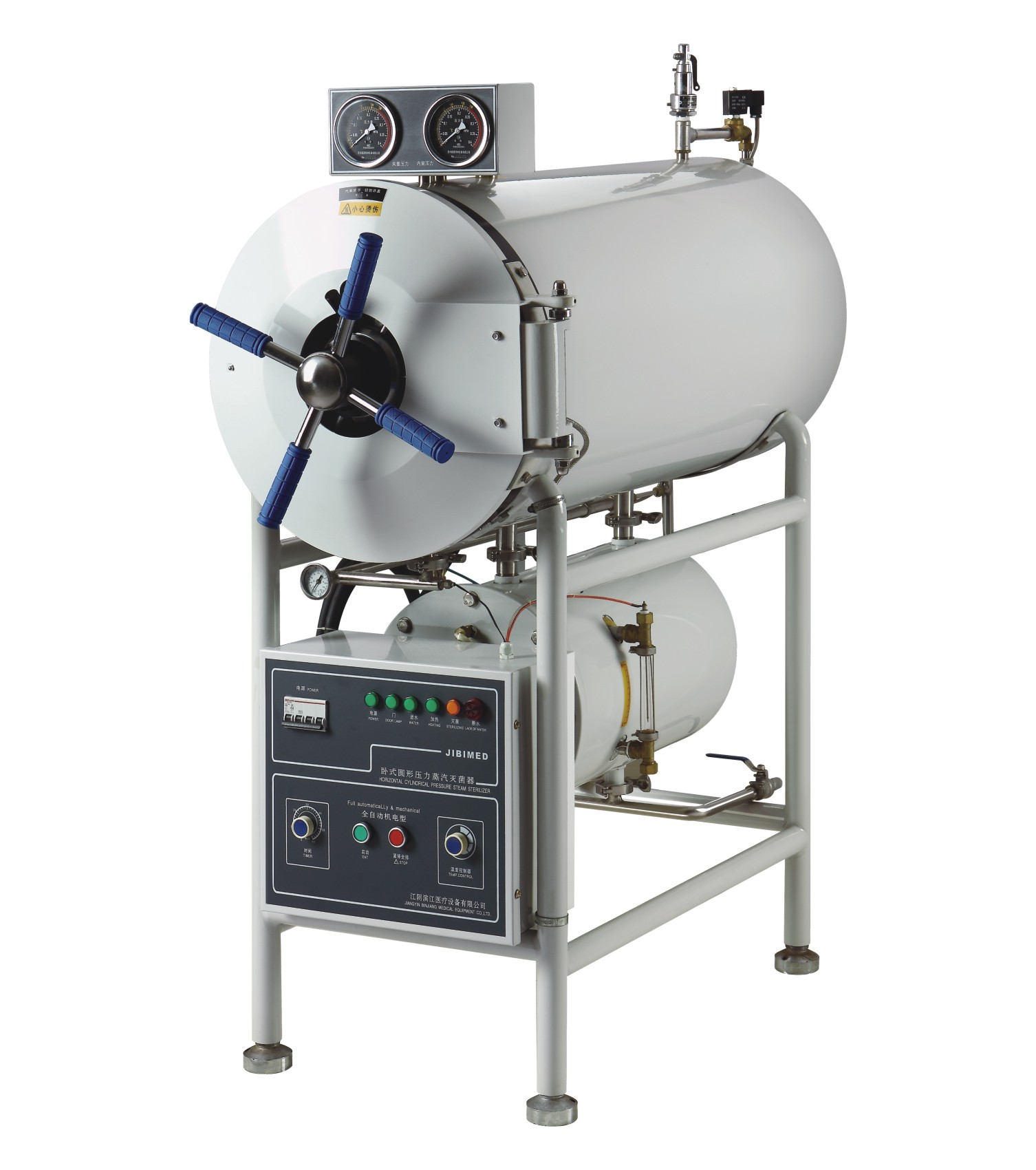
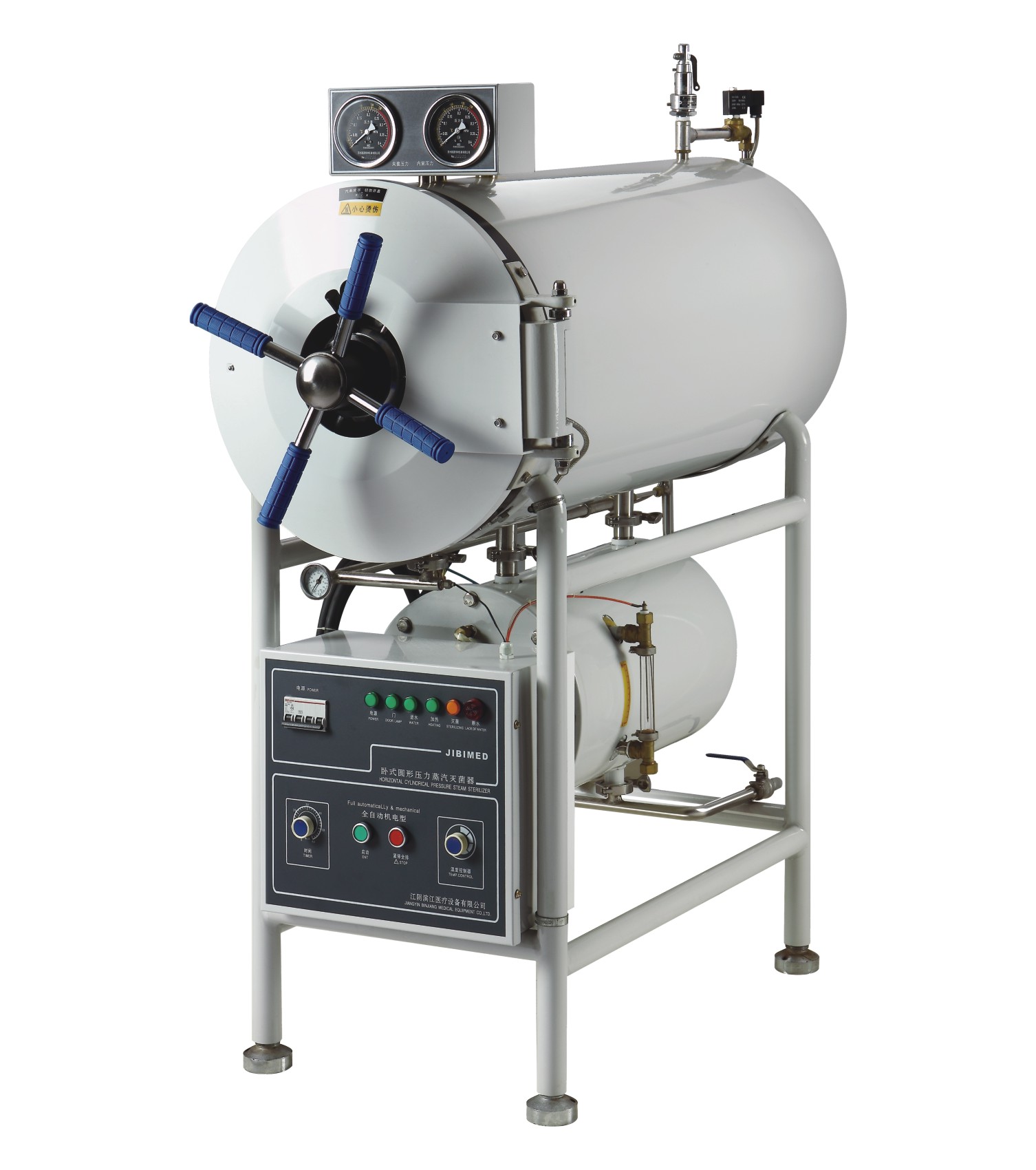
A typical CSSD scope may include decontamination sinks, ultrasonic cleaners, washer disinfectors, drying cabinets, heat sealers, packing tables, sterilizers, storage racks, transport carts, and traceability tools. Some projects also require low-temperature sterilization depending on the instrument mix. The correct package depends on surgery volume, reusable device mix, turnaround expectations, and whether the department supports one site or multiple buildings.
Size Capacity Around Peak OR Demand

CSSD sizing should reflect the operating room schedule, not only average daily volume. Hospitals need to estimate how many instrument sets return at the same time, how many loads must be processed before the next surgical block, and how much reserve is required during emergency procedures. That is especially important when the CSSD is tied to the operating room checklist and the anesthesia procurement guide.
Separate Dirty, Clean, and Sterile Zones Clearly
Many CSSD problems come from weak zoning. Dirty receipt, washing, packing, sterilization, and sterile storage should not blend into one ambiguous workspace. The project should define physical barriers, pass-through logic, staff movement, and one-way material flow. That same infrastructure discipline becomes easier when the CSSD is designed within broader turnkey hospital setup planning.
Plan Utilities Before Equipment Delivery
Sterilizers and washer disinfectors depend on more than floor space. They require water quality control, drainage, steam or electric capacity, ventilation, heat management, and reliable backup planning. Hospitals should confirm utility readiness before procurement closes, otherwise installation delays can damage project timelines and warranty coverage.
Include Packing, Traceability, and Storage in the Scope
Hospitals sometimes buy sterilizers and washers but underinvest in what happens between them. Packing benches, magnified inspection areas, heat sealing, labeling, instrument traceability, and sterile storage are all part of real department performance. A CSSD that sterilizes well but cannot document or organize sets still creates operating room disruption.
Align CSSD Planning with Infection Control and Risk Policy
Decontamination chemistry, handwashing points, PPE flow, air management, and surface cleaning protocols should be reviewed together with infection control staff. Procurement teams should confirm how the selected equipment supports hospital policy, staff safety, and audit requirements instead of treating compliance as a post-installation issue.
Ask About Service Access and Downtime Protection
CSSD equipment is mission critical. Hospitals should ask how washer pumps, chamber seals, steam generators, controls, and sensors are serviced after handover. Backup planning matters too. If one sterilizer is offline, what happens to operating room turnover? This is where the maintenance contracts guide becomes commercially important.
Connect CSSD Purchasing with Sterilization Strategy
The department should be purchased as a workflow system, not as isolated machines from unrelated scopes. Teams comparing vendors should review chamber sizes, cycle profiles, loading accessories, documentation support, installation responsibility, commissioning, operator training, and spare-parts commitments together with the sterilization equipment guide.
FAQ
What is the most common CSSD planning mistake?
The most common mistake is buying sterilizers first and solving room flow later. That often creates crossing paths, manual handling problems, and poor turnaround.
Should hospitals oversize CSSD capacity?
Hospitals should not oversize blindly, but they should leave practical reserve for surgical growth, maintenance downtime, and emergency loads.
When should CSSD planning begin?
It should begin early in department planning, before utility layouts, door positions, and surgery workflows are finalized.
Conclusion
An effective CSSD project links workflow, zoning, capacity, utilities, documentation, and maintenance into one reliable operating model. The best 2026 CSSD departments are planned to support surgery, infection control, and sterile storage without last-minute rework. For broader sourcing coordination, start with China Care Medical and review the complete procurement checklist.
Related articles