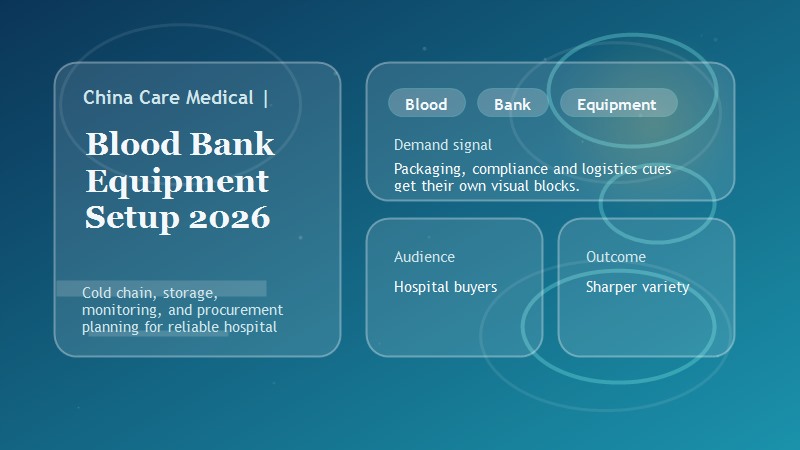
Blood Bank Equipment Setup 2026: Cold Chain, Storage, and Procurement Guide
Quick Answer

A reliable hospital blood bank depends on cold chain control, traceable storage, uninterrupted monitoring, and a workflow that protects every unit from collection to issue. In 2026, procurement teams should plan refrigerators, plasma freezers, platelet storage, temperature alarms, backup power, transport accessories, and maintenance support as one connected system rather than buying isolated cabinets.
Related products

Start with the Blood Product Workflow
The first question is how blood products move through the department. Hospitals should map receipt, quarantine, testing, approved storage, issue, return handling, and emergency dispatch before finalizing the equipment list. This same workflow-first method also strengthens the procurement budget guide.
Define the Core Equipment Package
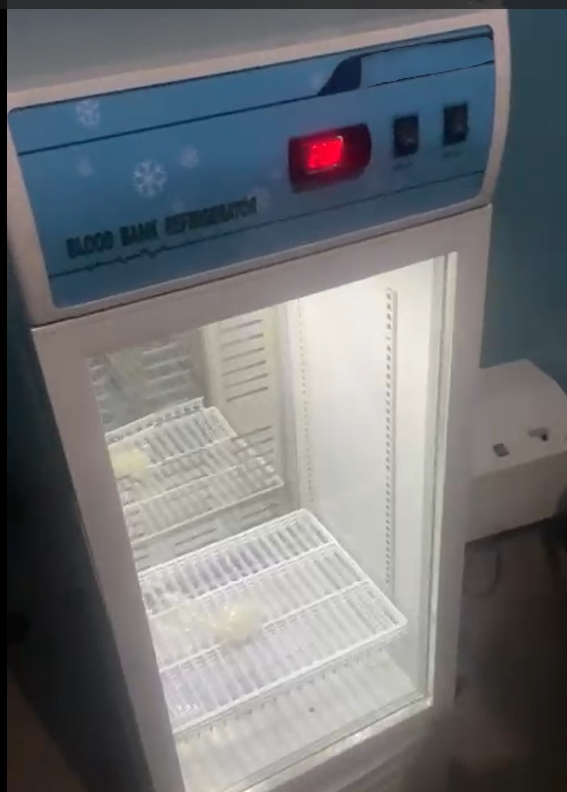
A typical blood bank scope may include blood bank refrigerators, plasma freezers, platelet incubators with agitators, temperature monitoring systems, alarm modules, cold boxes, thawing devices, stainless worktables, storage racks, labeling tools, and backup power interfaces. The correct package depends on transfusion volume, product mix, and whether the hospital supports satellite collection points or only in-hospital supply.
Protect the Cold Chain at Every Stage

Temperature stability is the core requirement in blood storage. Refrigeration performance, door opening discipline, alarm response, sensor calibration, and transport time all influence product safety. Hospitals sourcing broader diagnostic and support infrastructure often align this planning with the laboratory equipment guide and turnkey hospital setup planning.
Size Storage Around Peak Demand and Reserve Stock
Average daily issue volume is not enough for planning. Procurement teams should estimate emergency reserve, surgical peaks, maternal cases, trauma demand, and delayed replenishment scenarios. If a site runs critical services such as emergency care and surgery, blood bank storage planning should match the emergency department setup guide and the operating room checklist.
Include Monitoring, Alarms, and Backup Power Early
Good storage equipment is not enough without reliable monitoring. The project should specify local alarms, remote alerts, sensor redundancy where needed, event logs, and backup power response during outages. Hospitals should confirm whether alarm records, calibration, and service documentation are available for audits and internal quality review.
Plan Layout for Safe Access and Product Segregation
Blood components should not be stored in a way that creates mix-ups or slow retrieval. The room layout should define quarantine space, approved stock zones, return handling, thawing workflow, and emergency issue access. Clear zoning reduces handling errors and shortens response time when urgent transfusion support is needed.
Do Not Ignore Transport and Last-Meter Control
Many projects focus only on refrigerators and freezers, but safe transport matters too. Cold boxes, validated carriers, labeling discipline, and handoff records are important when products move from the blood bank to wards, theaters, or off-site collection points. A strong chain of custody protects both safety and accountability.
Ask About Serviceability and Downtime Protection
Blood bank equipment supports patient-critical operations, so downtime planning is essential. Hospitals should ask about compressor service, door seal replacement, agitator maintenance, calibration intervals, spare parts, response time, and temporary contingency measures. These commercial details should align with the maintenance contracts guide.
Connect Procurement with Compliance and Traceability
The best projects do not separate equipment purchasing from operating control. Teams should review labeling, stock visibility, expiry control, temperature records, user training, and SOP readiness before order placement. The equipment package should make traceability easier instead of adding manual workaround steps later.
FAQ
What is the most common blood bank planning mistake?
The most common mistake is buying storage cabinets first and defining workflow, monitoring, and backup support later.
Should hospitals oversize blood bank storage?
Hospitals should avoid blind oversizing, but they do need practical reserve capacity for emergencies, maintenance, and supply delay.
Is backup power really necessary for blood bank equipment?
Yes. Even short interruptions can create temperature risk, product loss, and compliance problems if backup arrangements are weak.
Conclusion
An effective blood bank project combines storage, monitoring, transport control, traceability, and maintenance into one dependable operating model. The strongest 2026 blood bank setups are planned to support emergency demand, surgical programs, and quality audits without reactive fixes. For broader sourcing coordination, start with China Care Medical and review the complete procurement checklist.
Related articles