Essential Measurement Instruments and Tools for Modern Laboratories
Introduction to Measurement Instruments in the Laboratory
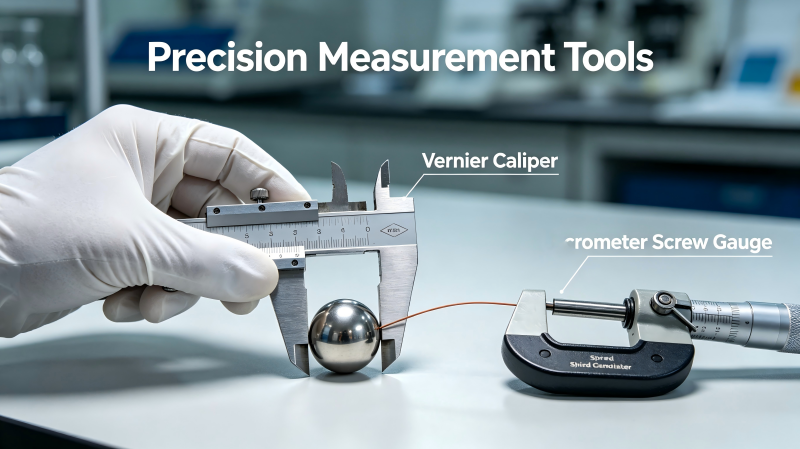
In any scientific or industrial laboratory, accurate measurement is the cornerstone of reliable results. Measurement instruments in the laboratory range from simple rulers to complex electronic analyzers. The choice of measurement tools in the laboratory directly impacts the quality of data and the validity of experiments. Whether you are working in a chemistry lab, a physics lab, or a medical testing facility, understanding the proper use and maintenance of these instruments is crucial.
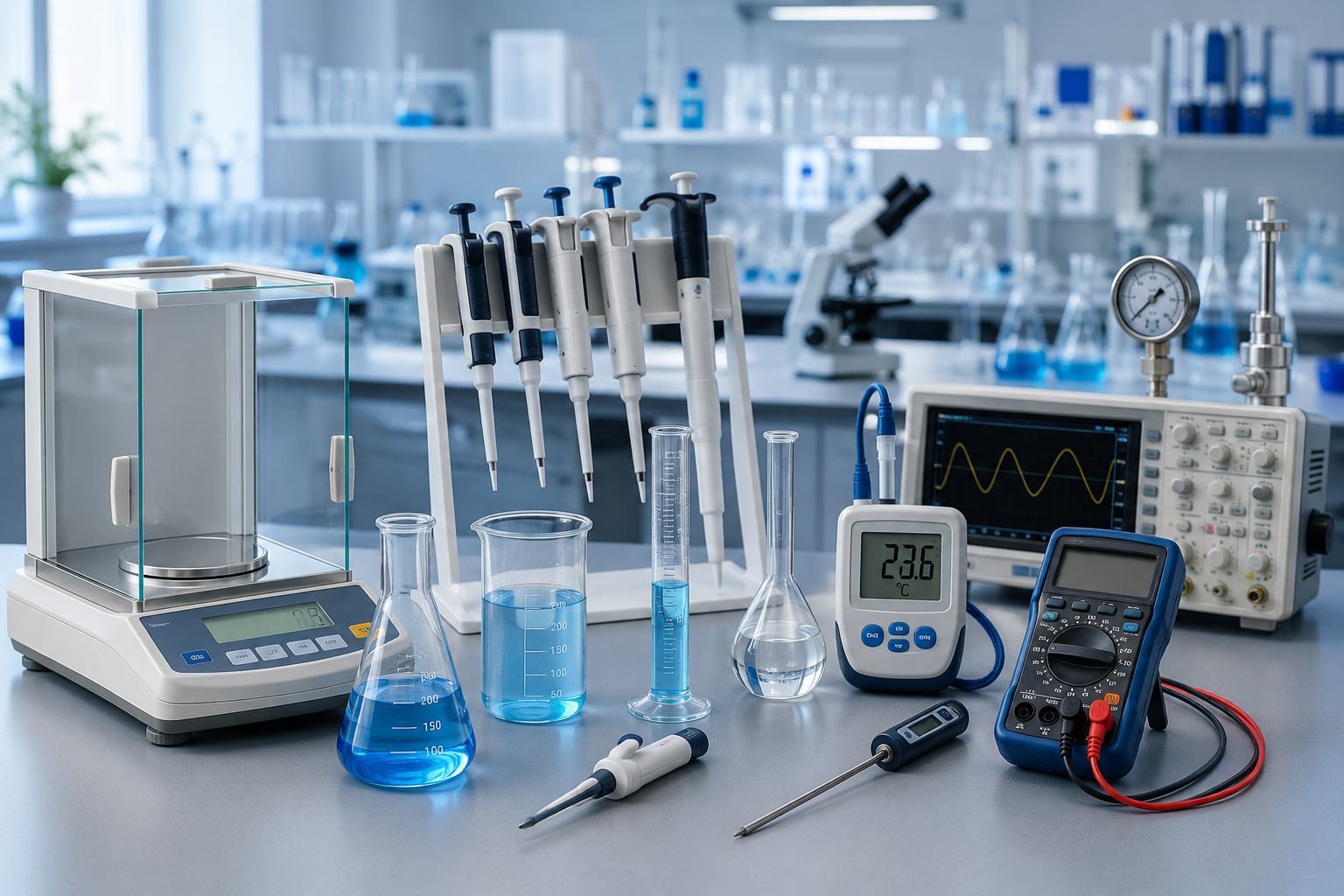
Modern laboratories rely on a variety of measurement instruments to quantify physical properties such as mass, volume, temperature, pressure, and electrical parameters. These tools have evolved significantly over the years, incorporating digital technology and automation to enhance precision and reproducibility. For more information on high-quality lab equipment, visit China Care Medical for a wide range of solutions.
Key Measurement Tools in the Laboratory
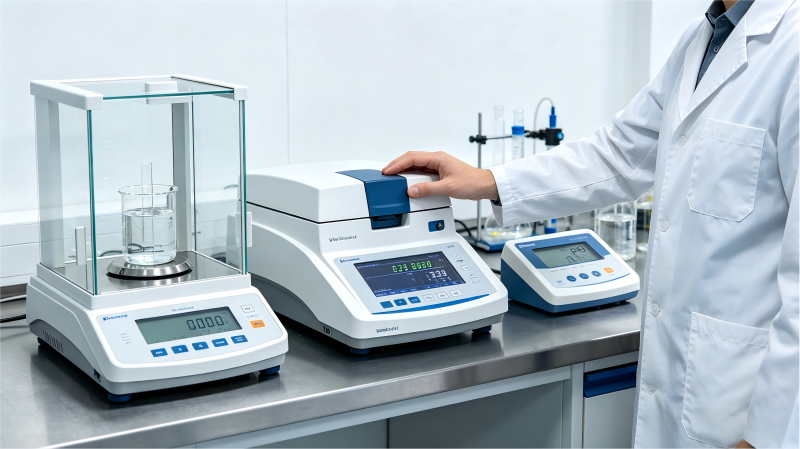
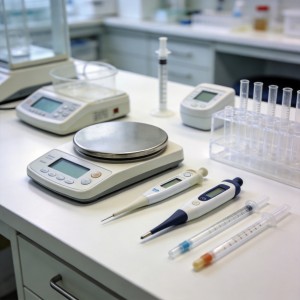
Among the most common measurement tools in the laboratory are balances and scales for mass measurement, graduated cylinders and pipettes for volume, thermometers and thermocouples for temperature, and manometers for pressure. Each of these instruments requires careful calibration and regular maintenance to ensure accuracy. For instance, analytical balances can measure mass to the nearest 0.0001 gram, making them indispensable for precise chemical analysis.
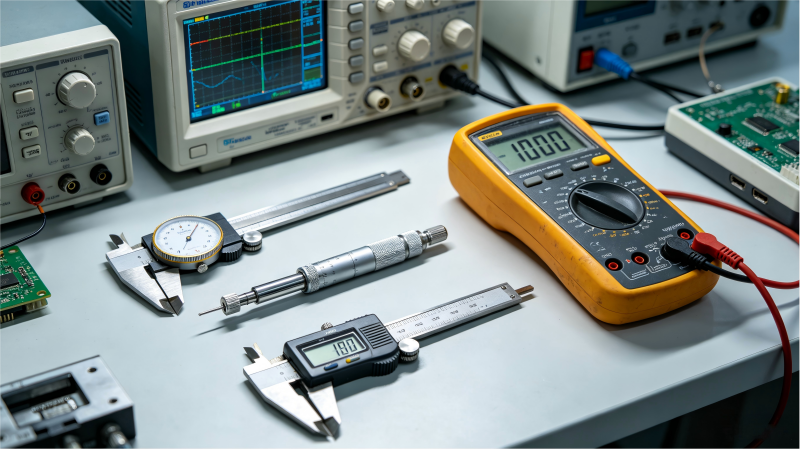
Another critical category is measurement instruments for electrical parameters, such as multimeters, oscilloscopes, and function generators. These tools are essential in electronics labs and research facilities. When selecting measurement instruments for your laboratory, consider factors like range, resolution, accuracy, and environmental conditions. A comprehensive guide to lab instrumentation can be found at Lab Manager, an authoritative resource for lab professionals.
Best Practices for Using Measurement Instruments
To maximize the lifespan and accuracy of your measurement instruments, follow these best practices: always read the manufacturer's instructions, perform regular calibration using certified standards, store instruments in a clean and controlled environment, and train all users on proper operation. Measurement tools in the laboratory should be inspected periodically for wear and tear. Additionally, using the correct measurement range and technique can prevent errors and damage to the instrument.
For example, when using a pipette, ensure it is calibrated for the specific volume range and use the correct tip. Similarly, thermometers should be calibrated against a known reference at regular intervals. By maintaining high standards of measurement practice, laboratories can produce reliable data that meets regulatory and quality requirements.
Advanced Measurement Technologies
Recent advancements in measurement instruments laboratory technology include automated data logging systems, wireless sensors, and integrated software platforms. These innovations allow for real-time monitoring and analysis, reducing human error and increasing efficiency. For instance, smart sensors can transmit data directly to a computer, enabling continuous tracking of experimental conditions. Such systems are particularly valuable in long-term studies and industrial quality control.
When upgrading your laboratory, consider investing in measurement tools that offer connectivity and compatibility with existing data management systems. This not only streamlines workflows but also enhances data integrity. For further reading on cutting-edge lab instrumentation, refer to the National Institute of Standards and Technology (NIST), which provides authoritative standards and guidelines.
In conclusion, the selection and proper use of measurement instruments and tools are fundamental to successful laboratory operations. By staying informed about the latest technologies and adhering to best practices, laboratories can achieve accurate, reproducible results that drive scientific discovery and innovation.
Related articles