Essential Measuring Instruments Used in Physics Lab and Laboratory: A Comprehensive Guide
Introduction to Measuring Instruments in Physics Lab and Laboratory
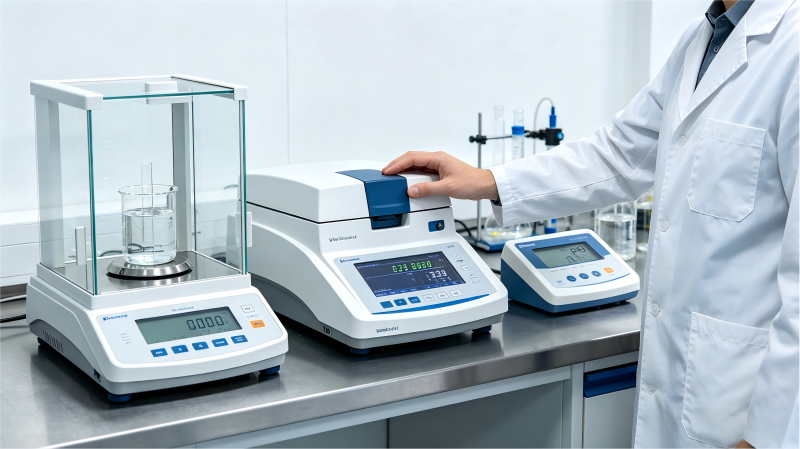
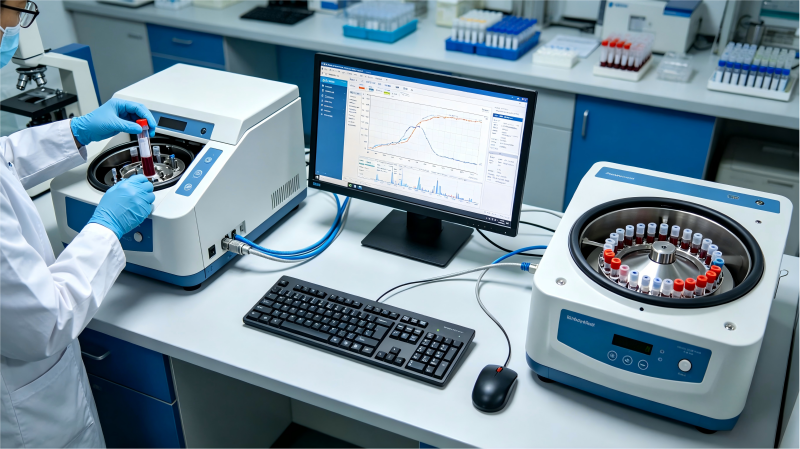
In any scientific setting, precision is paramount. The measuring instruments used in physics lab and those measuring instruments used in the laboratory form the backbone of accurate data collection. Whether you are a student, researcher, or professional, understanding these tools is crucial for reliable results. This guide explores the most common instruments, their applications, and best practices for usage.
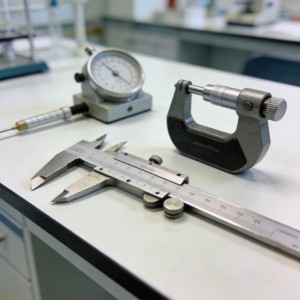
Vernier Caliper: Precision Length Measurement
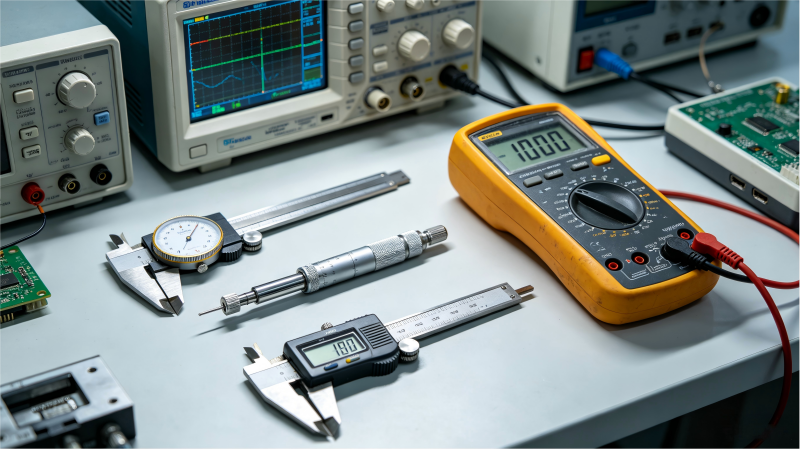
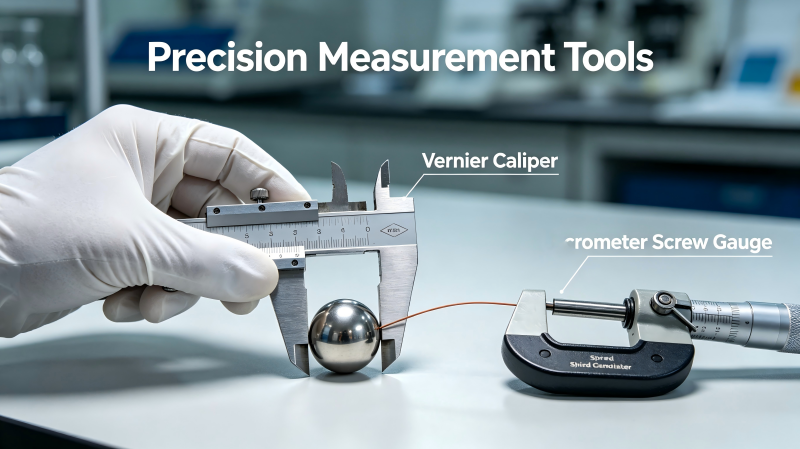
The vernier caliper is a staple among measuring instruments used in physics lab. It measures internal and external dimensions with an accuracy of up to 0.02 mm. Its main scale and sliding vernier scale allow for precise readings. In the laboratory, it is used to measure the diameter of small objects, thickness of sheets, and depth of holes. Proper maintenance, such as cleaning the jaws and zero error correction, ensures longevity. For more advanced equipment, visit China Care Medical for high-quality lab tools.
Micrometer Screw Gauge: High Precision for Small Dimensions
When measuring extremely small lengths, the micrometer screw gauge is indispensable. This instrument, commonly found among measuring instruments used in the laboratory, offers accuracy up to 0.001 mm. It uses a calibrated screw to move the spindle, allowing measurement of thin wires, ball bearings, and sheet thickness. Users must apply consistent pressure using the ratchet stop to avoid damaging the object. External resources like NIST provide calibration standards for such instruments.
Spectrometer: Analyzing Light Spectra
A spectrometer is a key device for analyzing light properties. As one of the vital measuring instruments used in physics lab, it measures angles of diffraction to determine wavelengths. It consists of a collimator, prism or grating, and a telescope. In laboratory settings, it is used to study spectral lines of elements, measure refractive indices, and analyze material composition. Proper alignment and calibration are essential for accurate results.
Multimeter: Electrical Measurements
For electrical experiments, the multimeter is a versatile tool among measuring instruments used in the laboratory. It measures voltage, current, and resistance. Digital multimeters offer high accuracy and ease of use. In physics labs, they are used to verify Ohm's law, analyze circuits, and troubleshoot electronic components. Always start with the highest range to prevent damage. For reliable multimeters, check our selection.
Thermometer and Calorimeter: Thermal Measurements
Temperature and heat measurements rely on thermometers and calorimeters. These measuring instruments used in physics lab include mercury thermometers, digital thermometers, and calorimeters for specific heat capacity experiments. In the laboratory, they help study thermal expansion, heat transfer, and phase changes. Ensure proper calibration against known standards for accuracy.
Conclusion
Mastering the use of measuring instruments used in physics lab and measuring instruments used in the laboratory is fundamental for scientific progress. From vernier calipers to spectrometers, each tool plays a unique role in data accuracy. Regular calibration, proper handling, and adherence to safety protocols enhance their lifespan and reliability. For a comprehensive range of laboratory equipment, explore China Care Medical.
Related articles