Essential Measuring Instruments in the Laboratory: A Comprehensive Guide
Introduction to Measuring Instruments in the Laboratory
In any scientific or medical laboratory, measuring instruments in the laboratory are the backbone of accurate experimentation and analysis. From simple rulers to sophisticated digital devices, these tools ensure that every measurement is precise and reliable. Understanding the various measuring instruments used in laboratory settings is crucial for researchers, technicians, and students alike. This guide will walk you through the most common lab measurement tools, their applications, and tips for selecting the right equipment for your needs.
Common Measuring Instruments Used in Laboratory
The diversity of measuring instruments used in laboratory environments is vast. Here are some of the most essential categories:
1. Volumetric Instruments
Volumetric instruments measure liquid volumes with high precision. Examples include graduated cylinders, pipettes, burettes, and volumetric flasks. For instance, a graduated cylinder is a staple in any lab for measuring varying volumes of liquids, while a micropipette is essential for handling small, precise amounts. These measuring instruments in the laboratory are often calibrated to ensure accuracy.
2. Mass Measurement Tools
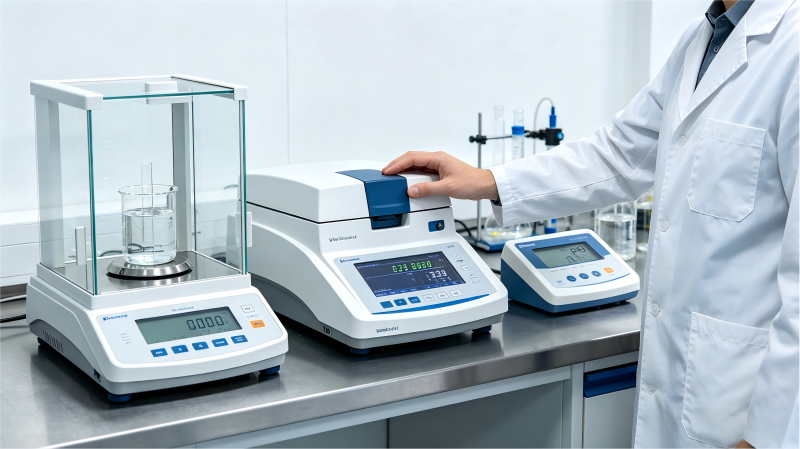
Electronic balances and analytical balances are critical for determining the mass of substances. A top-loading balance is suitable for routine weighing, while an analytical balance provides higher precision for sensitive experiments. When selecting measuring instruments used in laboratory for mass, consider the required readability and capacity.
Related products
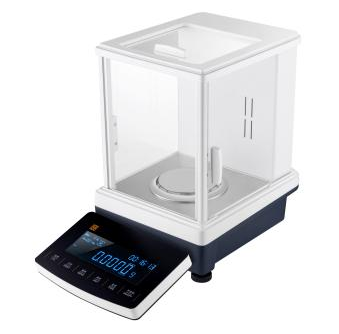
0.01mg 220g Electronic Analytical Balance
SKU: C26052803
Check weighing capacity, readability and installation conditions for the laboratory.
View product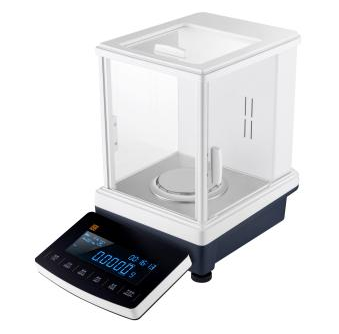
0.01mg 120gElectronic Analytical Balance
SKU: C26052802
Check weighing capacity, readability and installation conditions for the laboratory.
View product
Manual Pipette Controller
SKU: C26091101
Compare liquid-handling compatibility and operating requirements for the laboratory.
View product
3. Temperature Measurement Devices
Thermometers, thermocouples, and infrared sensors are used to measure temperature. In a lab, thermometers are common for monitoring reactions, while digital thermometers offer quick readings. Proper calibration of these measuring instruments in the laboratory is vital to avoid errors.
4. Pressure and Flow Meters
Manometers and flow meters measure gas pressure and flow rates. These are especially important in chemical engineering and environmental labs. For example, a digital manometer can provide accurate pressure readings for experiments involving gases.
5. pH and Conductivity Meters
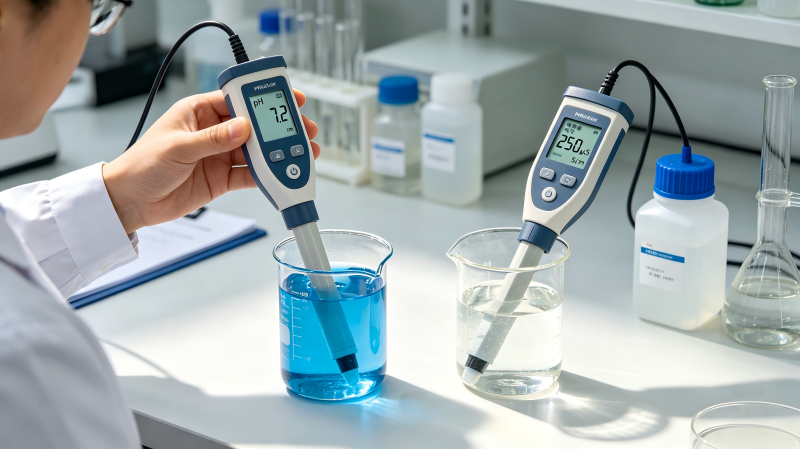
pH meters and conductivity meters are essential for analyzing solutions. They are widely used in biology, chemistry, and water quality testing. Maintaining these measuring instruments used in laboratory requires regular calibration with standard buffers.
How to Choose the Right Measuring Instruments
When selecting measuring instruments in the laboratory, consider factors such as accuracy, precision, range, and ease of use. For example, if you need to measure very small volumes, a micropipette is ideal, whereas for large volumes, a graduated cylinder works better. Additionally, the material of the instrument (glass vs. plastic) can affect chemical compatibility. Always check the specifications and certifications of measuring instruments used in laboratory to ensure they meet your standards.
For a wide selection of high-quality lab equipment, visit China Care Medical for reliable solutions.
Calibration and Maintenance Tips
To ensure longevity and accuracy, regular calibration of measuring instruments in the laboratory is essential. Use certified reference standards and follow manufacturer guidelines. For example, analytical balances should be calibrated daily, while pH meters need calibration before each use. Proper cleaning and storage also prevent damage. For more detailed guidance, refer to authoritative resources like the National Institute of Standards and Technology (NIST).
Conclusion
In summary, measuring instruments in the laboratory are indispensable for accurate scientific work. By understanding the types and applications of measuring instruments used in laboratory, you can make informed decisions that enhance your research quality. Whether you are a seasoned professional or a beginner, investing in reliable lab measurement tools is a step toward success.
Related articles