Essential Laboratory Apparatus Used for Measuring Volume: A Comprehensive Guide
Introduction to Laboratory Volume Measurement
Accurate volume measurement is a cornerstone of scientific experimentation. Whether you are conducting chemical reactions, preparing solutions, or performing biological assays, the reliability of your results depends on the precision of your measuring instruments. In this guide, we explore the most common laboratory apparatus used for measuring volume, their applications, and best practices for ensuring accuracy. Understanding these tools is essential for any researcher or student working in a laboratory setting.
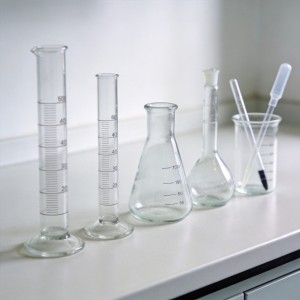
Graduated Cylinders: Versatile and Reliable
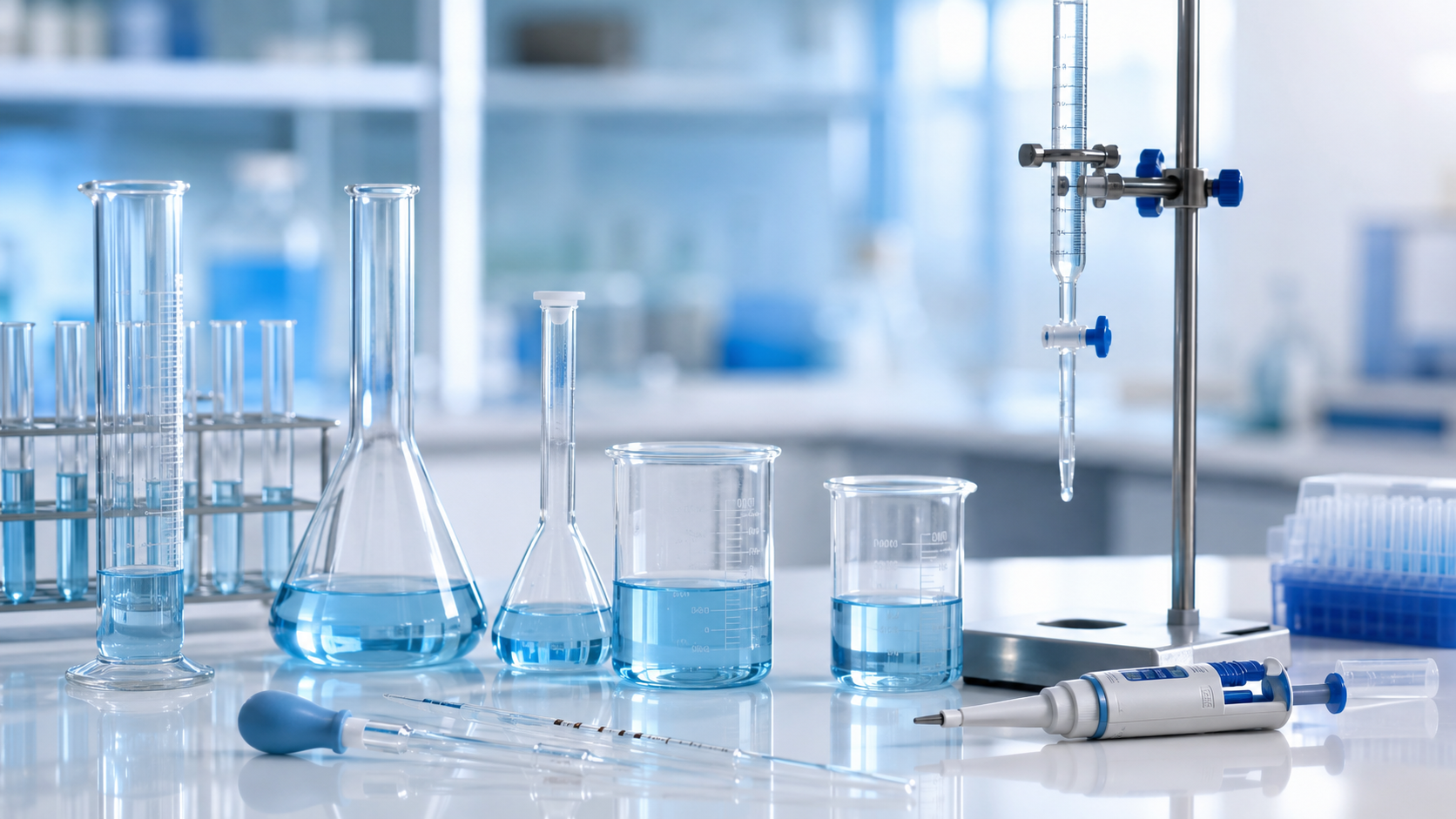
Graduated cylinders are among the most frequently used laboratory apparatus used for measuring volume. They come in various sizes, from 10 mL to 1000 mL or more, and are typically made of glass or plastic. The graduated markings along the side allow for relatively precise measurements, with typical accuracy within 1% of the total volume. When using a graduated cylinder, it is important to read the meniscus at eye level to avoid parallax errors. For liquids that wet the glass, read the bottom of the meniscus; for mercury, read the top. Graduated cylinders are ideal for measuring volumes of liquids that do not require extreme precision, such as when preparing buffers or media. For more demanding applications, consider using volumetric glassware.
Volumetric Flasks: Precision for Solution Preparation
Volumetric flasks are designed for preparing solutions with exact concentrations. These flasks have a single calibration mark on the neck and are calibrated to contain (TC) a specific volume at a given temperature. Common sizes include 50 mL, 100 mL, 250 mL, and 1000 mL. The narrow neck minimizes evaporation and facilitates mixing by inversion. To use a volumetric flask, dissolve the solute in a small amount of solvent, transfer to the flask, and then add solvent until the bottom of the meniscus aligns with the calibration mark. Volumetric flasks offer high accuracy, typically within 0.1% of the nominal volume. They are indispensable when preparing standard solutions for titrations or calibration curves. For more information on laboratory equipment, visit China Care Medical for high-quality lab supplies.
Pipettes and Burettes: For Small Volume Measurements
When measuring small volumes with high precision, pipettes and burettes are the tools of choice. Volumetric pipettes, such as Mohr and serological pipettes, are calibrated to deliver (TD) a specific volume. Micropipettes are used for volumes in the microliter range, common in molecular biology. Burettes are used in titrations to deliver variable volumes of liquid with high accuracy. Proper technique, including pre-wetting the pipette tip and reading the meniscus accurately, is crucial for reproducibility. These instruments are fundamental for any laboratory apparatus used in measuring small quantities. For external resources, the National Institute of Standards and Technology (NIST) provides guidelines on calibration and measurement standards.
Related products

Other Essential Tools
In addition to the core apparatus, other tools like measuring cylinders, beakers with graduation marks, and automatic pipetting systems are also commonly used. Beakers are less precise but convenient for approximate volumes. Automatic pipettes offer speed and consistency for repetitive tasks. When selecting laboratory apparatus used for measuring volume, consider the required accuracy, the nature of the liquid, and the volume range. Always calibrate instruments regularly and follow manufacturer instructions. By using the right tool for each task, you can ensure reliable and reproducible results in your experiments.
Conclusion
Mastering the use of laboratory apparatus for volume measurement is a fundamental skill for any scientist. From graduated cylinders for everyday tasks to volumetric flasks for precise solution preparation, each instrument has its place. By understanding their strengths and limitations, you can improve the accuracy of your work and advance your research. Remember to always follow safety protocols and maintain your equipment properly. For a wide selection of laboratory apparatus used in measuring, explore our resources at China Care Medical.
Related articles