Low-Temperature H2O2 Plasma Sterilizer Explained
A low-temperature hydrogen peroxide plasma sterilizer is a sealed vacuum cabinet built for devices that cannot take steam. Liquid H2O2 is injected as vapor, then an RF or microwave field turns part of that vapor into plasma. Hydroxyl radicals and other reactive species oxidize bacteria, viruses, fungi and spores at about 45–55 °C. Most medical programs finish in 35–75 minutes. Residual peroxide is cracked to water and oxygen, so the load leaves dry and does not need a separate aeration room.
That is the job of the machine: a low-heat lane next to the autoclave, not a replacement for it. CSSDs and device labs buy it for cameras, cables, electrocautery handpieces and listed scopes. They keep steam for ordinary stainless sets, and they keep ethylene oxide for lumens or packs the plasma table does not clear.
The cabinet exists for loads steam would warp, melt or wet-damage — not for bulk linen.
How the cabinet actually runs
Hydrogen peroxide already kills by oxidation. The plasma step is extra energy: it raises the local density of short-lived radicals and then breaks leftover sterilant before the door opens. Liquid peroxide can disinfect a bench if diluted; this sterilizer uses vapor inside a vacuum so the same chemistry reaches instrument surfaces without soaking them.
- Pre-treatment. The chamber is pumped down. Air and moisture are removed so vapor can diffuse instead of being blocked by residual atmosphere.
- Injection. A metered 50–60 % H2O2 feed is flashed to mist or vapor and spread through the load.
- Kill phase. Oxidative attack on cell walls, proteins and nucleic acids reduces viable organisms, including spores when the cycle is validated for them.
- Plasma. A high-frequency field ionizes the vapor. Free radicals intensify the kill and crack unused peroxide into water vapor and oxygen.
- Vent. Filtered air returns the chamber to atmospheric pressure. No extra drying step is required if the cycle completed normally.
H2O2 is the feed. Plasma is the energy that fragments it into faster radicals, then into water and oxygen.
Vapor-only hydrogen peroxide (often called VHP) skips the ionization field and holds a vapor concentration instead. Plasma cabinets are usually shorter than a multi-hour vapor room cycle. Write the RFQ as “plasma step required” or “vapor-only,” then read the cleared load table — the brochure word “plasma” is not a specification.
Two cabinets that match this process
-
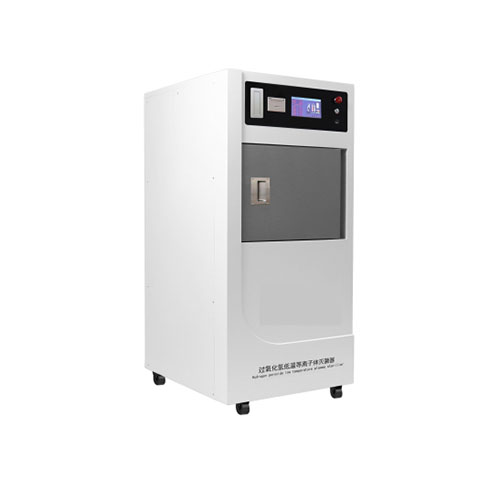
Hydrogen Peroxide Low-Temperature Plasma Sterilizer 60L
SKU:CCL-DS60
60 L vacuum cabinet when the CSSD needs a dedicated low-temperature plasma lane beside steam.
View product -
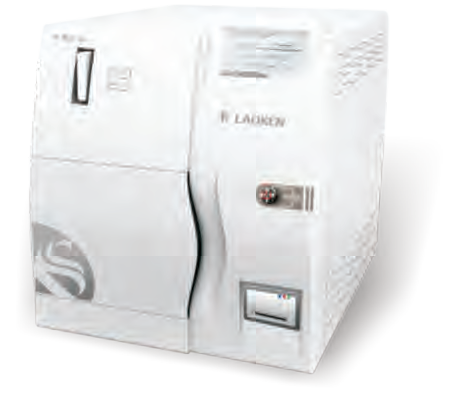
H2O2 Plasma sterilizer
SKU:CCL-G50
Smaller H2O2 plasma unit when a second low-temperature cabinet is enough and a 60 L chamber is more than the list requires.
View product
Against heat and long-cycle gas
Steam and dry heat kill with temperature. Many polymers, optics and electronics do not survive that. Ethylene oxide reaches deep lumens and cellulose packs, but a full cycle plus aeration is measured in half-days and needs a dedicated exhaust room. A hydrogen peroxide plasma sterilizer sits in the gap: oxidative chemistry at ~50 °C, typically under an hour, no carcinogen classification like EtO, byproducts water and oxygen.
It is not automatically “stronger.” Long, branching channels and cellulose wraps still fail plasma programs. Those loads stay on EtO or on high-level disinfection if the device IFU says so.
What the method is good at
- Dry process: the pack is ready for storage or use when the door opens.
- No toxic residue after a completed crack/vent step; staff are not standing in sterilant vapor in normal use.
- Low chamber temperature (typically 40–55 °C on medical cycles).
- Short exposure compared with EtO or a whole-room vapor job.
Where the same cabinet stops
- Liquids, powders and strongly absorbent loads are out. They soak up peroxide or cannot be validated.
- Paper, cotton, gauze and other cellulose wraps steal sterilant. Use synthetic pouches rated for hydrogen peroxide.
- Chamber volume is smaller than a typical EtO sterilizer. Throughput is a cassette-and-basket problem, not a cart-load problem.
China Care Medical supplies the plasma cabinets above and the EtO / Class B steam units used when the load table says plasma is the wrong tool.
If plasma cannot take the load
-
Low-temperature ethylene oxide sterilizer
SKU:C260327003
Keep EtO for geometry or packaging that a plasma sterilizer is not cleared to process.
View product -
23 L Class B steam autoclave
SKU:CC21070702
Steam remains the default whenever 121–134 °C moist heat is allowed. The plasma sterilizer is the exception lane.
View product
Related articles