Hydrogen Peroxide Plasma Sterilization: CSSD Guide
Hydrogen peroxide plasma sterilization is a low-temperature oxidative process. Liquid H2O2 is vaporized in a vacuum chamber, then an RF or microwave field turns part of that vapor into plasma. The reactive species oxidize bacteria, viruses, fungi and spores at roughly 45–55 °C. A typical cycle lasts 35–75 minutes. The chemistry ends as water and oxygen, so the load comes out dry and can go back into circulation without a separate aeration room.
Hospital CSSDs use it when steam would damage the device: flexible and rigid scopes, electrocautery handpieces, cameras, cables and other electronics. It is not a replacement for a steam autoclave on ordinary stainless sets. It sits beside steam, and beside ethylene oxide when lumens or packaging go beyond what plasma can validate.

How the chemistry actually kills
Three things happen in the same chamber. First, hydrogen peroxide is already a strong oxidant. It breaks down to water and to hydroxyl radicals (•OH) that attack lipids, proteins and nucleic acids without much selectivity. Second, the plasma step — an ionized gas with free electrons and excited neutrals — raises the local concentration of those short-lived radicals far above what vapor alone would give. Third, leftover peroxide is “cracked” into water vapor and oxygen before the door opens. That last step is why operators do not wait days for off-gassing the way they do with EtO.
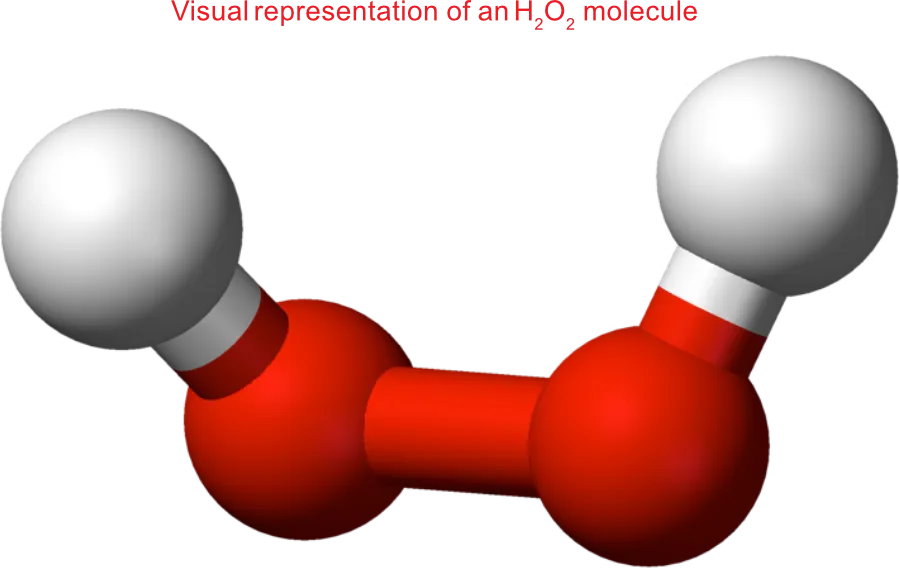
A well-run cycle is expected to reach a sterility assurance level of 10−6 (a 6-log reduction on the biological indicator organism specified for that cycle). That claim is only as good as the load list, packaging and lumen geometry the unit was validated for. Do not treat “plasma” as a blanket clearance for every channelled endoscope on the shelf.
Vaporized hydrogen peroxide (VHP) is the wider family. Some cabinets add the plasma field; others hold a vapor concentration without ionizing it. Both are oxidative and residue-free compared with EtO. When you write a specification, name whether you need a plasma step or vapor-only, then check the cleared load table — not the brochure headline.
What a cycle looks like on the floor
Vendors differ on software names, but the physics is the same: vacuum, vapor, plasma, crack, then filtered air back in.
- Conditioning. The chamber is pulled to a deep vacuum so air and moisture do not block peroxide diffusion.
- Sterilization. Liquid H2O2 (commonly 50–60 % as the cassette or bottle feed) is vaporized into the chamber, held, then excited. Most medical cycles run two vapor-plus-plasma passes so shadowed surfaces and short lumens see sterilant twice.
- Aeration / cracking. Residual peroxide is broken down catalytically or by a longer plasma burst. No dedicated aeration cell is required.
- Air admission. HEPA-filtered air breaks the vacuum and the door interlock releases. The pack should feel dry.
| Parameter | Typical range |
|---|---|
| Chamber temperature | 45–55 °C |
| H2O2 liquid feed | 50–60 % |
| Cycle time | 35–75 minutes |
| Pressure | Sub-atmospheric (vacuum) |
| Post-cycle aeration | None; cracking is in-cycle |
| Load leaving the chamber | Dry, ready for storage or use |
Two plasma cabinets we quote for CSSD
-
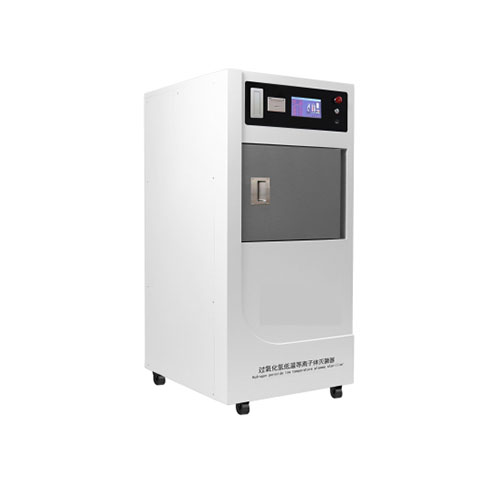
Hydrogen Peroxide Low-Temperature Plasma Sterilizer 60L
SKU: CCL-DS60
A 60 L low-temperature plasma unit for heat-sensitive reusable devices that cannot go through steam.
View product -
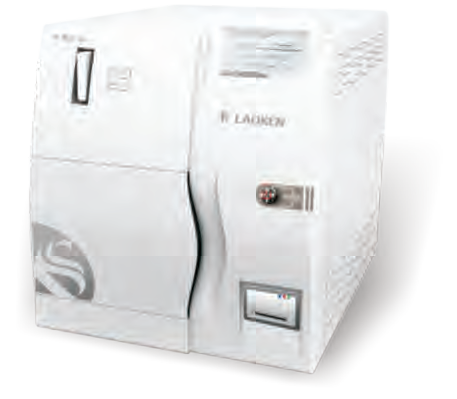
H2O2 Plasma sterilizer
SKU: CCL-G50
Compact H2O2 plasma cabinet when the CSSD needs a second low-temperature lane rather than stretching steam.
View product
What you can and cannot put in the chamber
Cleared loads are always narrower than marketing copy. Typical validated groups look like this:
- Non-hollow items: electrocautery instruments, Doppler probes, laser handpieces, defibrillator paddles, some ophthalmic lenses, harmonic scalpel handpieces and cables.
- Simple hollow items: laryngoscope blades, shaver handpieces, light cables, surgical drills — only within the lumen length-to-diameter ratio in that sterilizer’s IFU.
- Endoscopes: rigid scopes are routinely listed. Flexible endoscopes only if both the device IFU and the sterilizer load table say so. Long, narrow or branching channels are the usual fail point.
A common stainless-lumen example on medical plasma systems is a single channel up to about 400 mm long with an internal diameter of at least 1 mm. Treat that as an illustration, not a universal limit. Your sterilizer’s cleared table wins.
Plasma does not process liquids or powders. Paper, cotton, gauze and other cellulose wraps soak up peroxide and starve the chamber; switch to synthetic sterile pouches or wraps rated for hydrogen peroxide. Some dense polymers and implants absorb sterilant. Repeated cycles can dull anodized coatings, certain adhesives and a few elastomers — check the device maker, not just the sterilizer brochure.
Why CSSDs like it — and where it stops
Compared with EtO, the operational difference is time and facilities. Plasma is usually done in under 75 minutes with no aeration cell, no gas-cylinder store and no dedicated exhaust room. Compared with steam, the difference is temperature: you keep cameras and polymers intact, and you pay for that with peroxide cassettes, smaller chambers and a stricter packaging rule.
| Factor | H2O2 plasma | Ethylene oxide | Ozone |
|---|---|---|---|
| Sterilant | H2O2 vapor + plasma | EtO gas | O3 generated in situ |
| Temperature | 45–55 °C | 25–55 °C | 30–35 °C |
| Typical cycle | 35–75 min | >14 h plus aeration | Around 4 h |
| Aeration room | Not required | 24–48+ hours | Not required |
| Carcinogen classification | No | Yes (IARC Group 1) | No |
| Long, complex lumens | Limited, table-driven | Generally stronger | Limited |
| Cellulose packaging | No | Yes | No |
| Liquids / powders | No | No | No |
| Byproducts | Water and oxygen | EtO residuals | Oxygen |
| Plant utilities | Standard CSSD power and vacuum | Dedicated ventilation and leak detection | Standard plus ozone monitor |
For day-to-day heat-sensitive surgical instruments and most rigid scopes, plasma is the method CSSDs reach for first. EtO still earns its keep on deep lumens and cellulose packs. Steam remains cheaper and faster for anything that can take 121–134 °C moist heat. Ozone shows up in tenders where cassette logistics matter more than a 35-minute turnaround.
Standards buyers actually put in the RFQ
- ISO 14937 — how a sterilizing agent is characterized and how the process is validated and controlled. This is the usual backbone for H2O2 vapor and plasma claims.
- ISO/TS 22421 — common requirements for sterilizers that process medical devices in healthcare facilities.
- AAMI ST58 — chemical sterilization and high-level disinfection in healthcare facilities, including low-temperature hydrogen peroxide processes.
- CDC Guideline for Disinfection and Sterilization in Healthcare Facilities — lists hydrogen peroxide vapor and plasma among acceptable low-temperature methods.
- In the United States, individual cabinets and cycles still need their own FDA 510(k) clearance. Do not import a “similar” cycle from another model.
Questions we hear from CSSD and procurement
Is plasma the same as VHP?
VHP is the family name. Plasma units add an energy field that fragments the vapor. Vapor-only units rely on concentration and contact time. Specify the cleared cycle, not the nickname.
How long does a cycle take?
Most medical cycles land between 35 and 75 minutes, depending on chamber size and the selected program. Steam wrap cycles are often in a similar clock time; EtO is measured in half-days plus aeration.
Why is cellulose banned?
Cellulose absorbs peroxide. Chamber concentration then collapses and you fail the biological indicator even if the outside of the pack looks fine. Use synthetic pouches and wraps labelled for hydrogen peroxide.
Can every flexible endoscope go in?
Only those listed on both IFUs. Many working-channel geometries sit outside common plasma tables. Those devices stay on high-level disinfection or EtO, not on hope.
What about staff exposure?
The cabinet is a closed system. Under normal use, operators are not in the peroxide atmosphere. Concentrated cassettes still need spill procedures. Occupational exposure limits for hydrogen peroxide (for example 1 ppm as an 8-hour time-weighted average in some jurisdictions) are a plant-safety topic, not a reason to skip PPE at the cassette change.
How to choose the method, then the machine
Start with the device IFU, not the sterilizer catalog. If the set survives steam, keep it on steam. If it is heat-sensitive, check lumen geometry and packaging: plasma first, EtO when plasma cannot be validated. Chamber volume only comes after the load list. Per-cycle cassette cost and local service matter as much as the sticker price on the cabinet.
China Care Medical supplies both the low-temperature plasma line and the steam / EtO options that sit next to it. Use the cards below when the load is a better match for EtO or for a small Class B autoclave rather than plasma.
When plasma is not the right lane
-
Low-temperature ethylene oxide sterilizer
SKU: C260327003
Use EtO when lumen geometry or cellulose packaging sits outside the plasma load table.
View product -
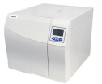
23 L Class B steam autoclave
SKU: CC21070702
Keep steam as the default for instruments that tolerate 121–134 °C. Plasma is the exception, not the workhorse.
View product
Related articles