Essential Measuring Tools in Science Laboratory: The Role of Mechanical Pipetting Devices
Introduction
In any science laboratory, accurate measurement is the cornerstone of reliable results. Among the myriad of measuring tools in science laboratory, mechanical pipetting devices stand out for their precision and versatility. This article delves into the types, uses, and importance of these tools, highlighting how they contribute to successful experiments.

Types of Measuring Tools in Science Laboratory
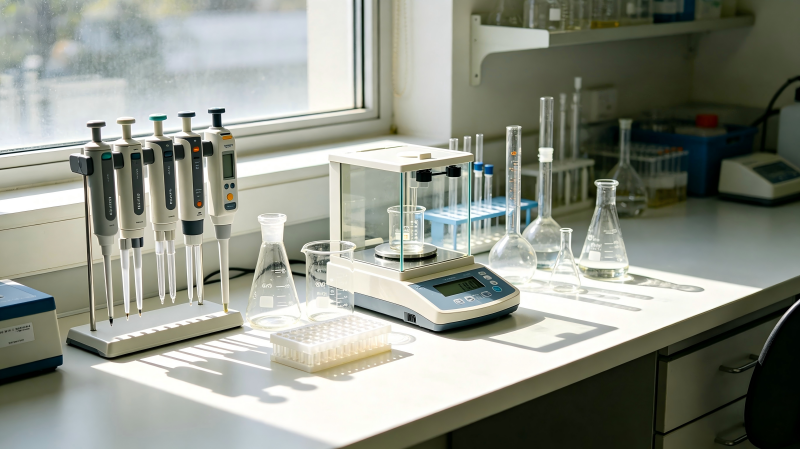
Laboratories employ a wide range of measuring instruments, from simple graduated cylinders to sophisticated electronic balances. However, when it comes to liquid handling, mechanical pipetting devices are indispensable. These include air-displacement pipettes, positive-displacement pipettes, and multichannel pipettes, each designed for specific volumes and applications.
Related products

The Precision of Mechanical Pipetting Devices
Mechanical pipetting devices offer exceptional accuracy, often within 0.1% of the target volume. They are calibrated to deliver consistent results, reducing human error. For example, a typical mechanical pipette can measure volumes from 0.1 µL to 10 mL, making them ideal for tasks like preparing serial dilutions or adding reagents in molecular biology.
How to Choose the Right Measuring Tool
Selecting the appropriate measuring tools in science laboratory depends on the required precision, volume range, and the nature of the liquid. For viscous or volatile liquids, positive-displacement pipettes are preferred. Always ensure that your mechanical pipetting devices are regularly calibrated and maintained. For high-quality laboratory equipment, visit China Care Medical.
Best Practices for Using Mechanical Pipettes
To maximize accuracy, always pre-wet the pipette tip, hold the pipette vertically, and dispense at a consistent speed. Avoid touching the tip to the container walls. Proper technique extends the life of your mechanical pipetting devices and ensures reliable data. For more tips, refer to Lab Manager, a trusted resource for laboratory professionals.
Conclusion
Understanding and using measuring tools in science laboratory, especially mechanical pipetting devices, is vital for any researcher. By choosing the right tool and following best practices, you can enhance the reproducibility and credibility of your scientific work.
Related articles