Essential Laboratory Tools for Measurement: Precision Instruments for Accurate Results
Introduction to Laboratory Measurement Tools
In any scientific laboratory, precision is paramount. Laboratory tools for measurement are the backbone of reliable experiments and accurate data collection. Whether you are working in chemistry, biology, or physics, understanding the various laboratory tools used for measuring is essential for achieving reproducible results. From simple graduated cylinders to advanced digital balances, each instrument serves a specific purpose in quantifying substances and properties.
Common Laboratory Tools for Measurement
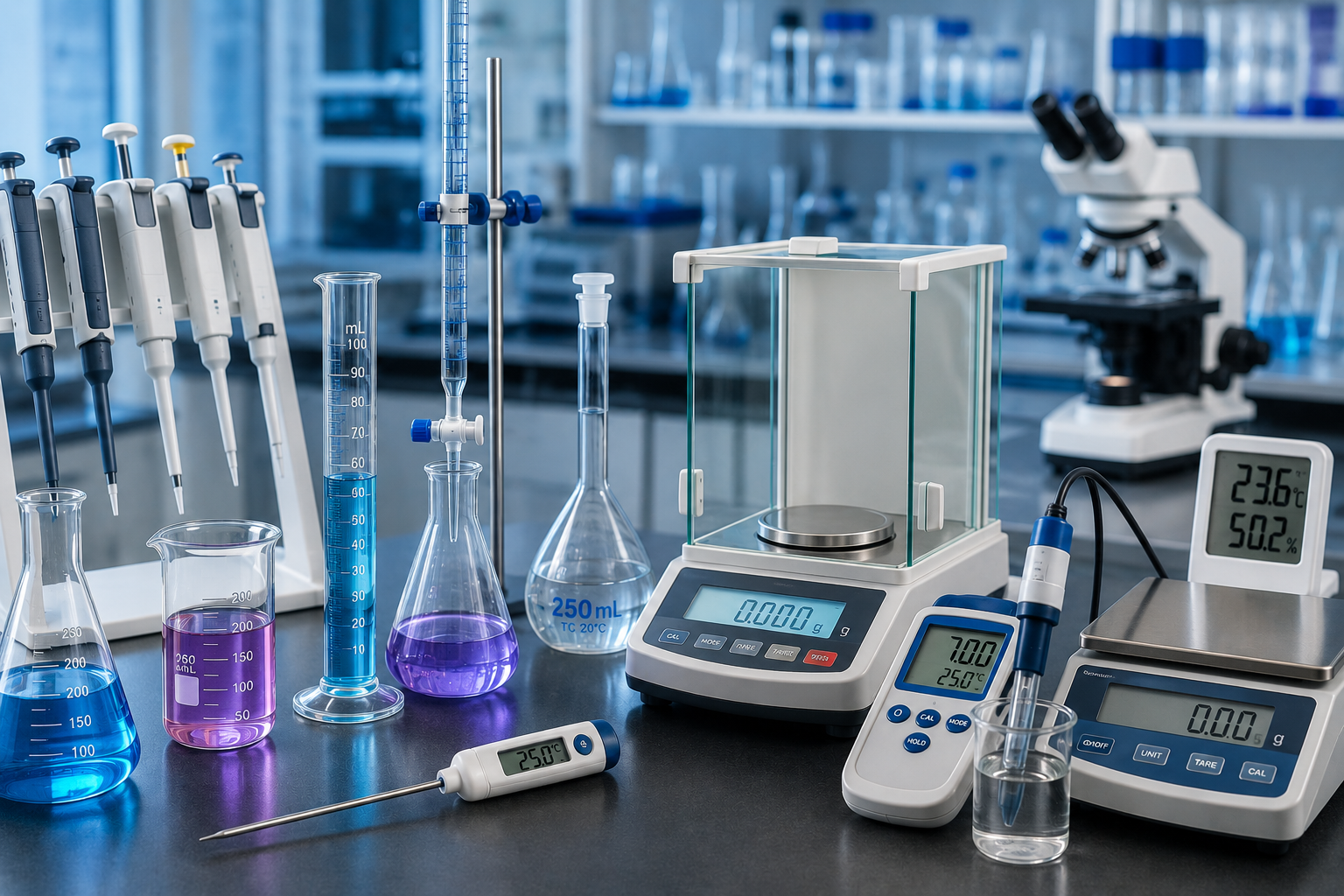
There are several categories of laboratory tools for measurement that every scientist should know. Volumetric instruments like pipettes, burettes, and graduated cylinders are used for precise liquid volume measurements. Mass measurement tools include analytical balances and top-loading balances. Temperature measurement relies on thermometers and thermocouples. Each of these laboratory tools used for measuring must be calibrated regularly to maintain accuracy.
Volumetric Measurement Tools
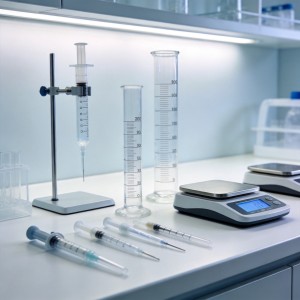
Accurate volume measurement is critical in many experiments. Pipettes, both manual and electronic, allow for precise transfer of small liquid volumes. Graduated cylinders come in various sizes and are used for measuring larger volumes with reasonable accuracy. Burettes are essential for titration experiments, where precise volume delivery is needed. These laboratory tools for measurement are often made of borosilicate glass to resist thermal shock and chemical corrosion.
Mass Measurement Instruments
Digital scales and balances are fundamental laboratory tools used for measuring mass. Analytical balances can measure to the nearest 0.0001 gram, while top-loading balances offer lower precision but faster operation. Proper use of these instruments includes zeroing before each measurement and avoiding air currents that can affect readings. For more information on laboratory equipment, visit China Care Medical for a wide selection of high-quality instruments.
Temperature and Other Measurement Devices
Thermometers, thermocouples, and pH meters are also vital laboratory tools for measurement. Digital thermometers provide quick and accurate temperature readings, while pH meters measure acidity and alkalinity. Spectrophotometers measure light absorption to determine concentration of solutions. Each tool requires proper calibration and maintenance to ensure reliable data. For external resources on laboratory best practices, refer to Sigma-Aldrich's technical guides.
Conclusion
In summary, laboratory tools for measurement are indispensable in scientific research. Understanding how to use and maintain these laboratory tools used for measuring ensures accurate and reproducible results. Whether you are a student or a professional, investing in quality measurement instruments is key to success in the lab.
Related articles