Phototherapy Procurement Where Power Is Unreliable
Where electricity is unreliable, compare phototherapy offers together with the facility power and maintenance plan. A device that cannot remain available under local operating conditions leaves a service gap regardless of its purchase price.
Research involving specially filtered sunlight does not make ordinary sunlight or a window an interchangeable treatment device. Any alternative clinical service requires its own approved protocol, equipment and monitoring; it should not be improvised to cover a procurement shortfall.
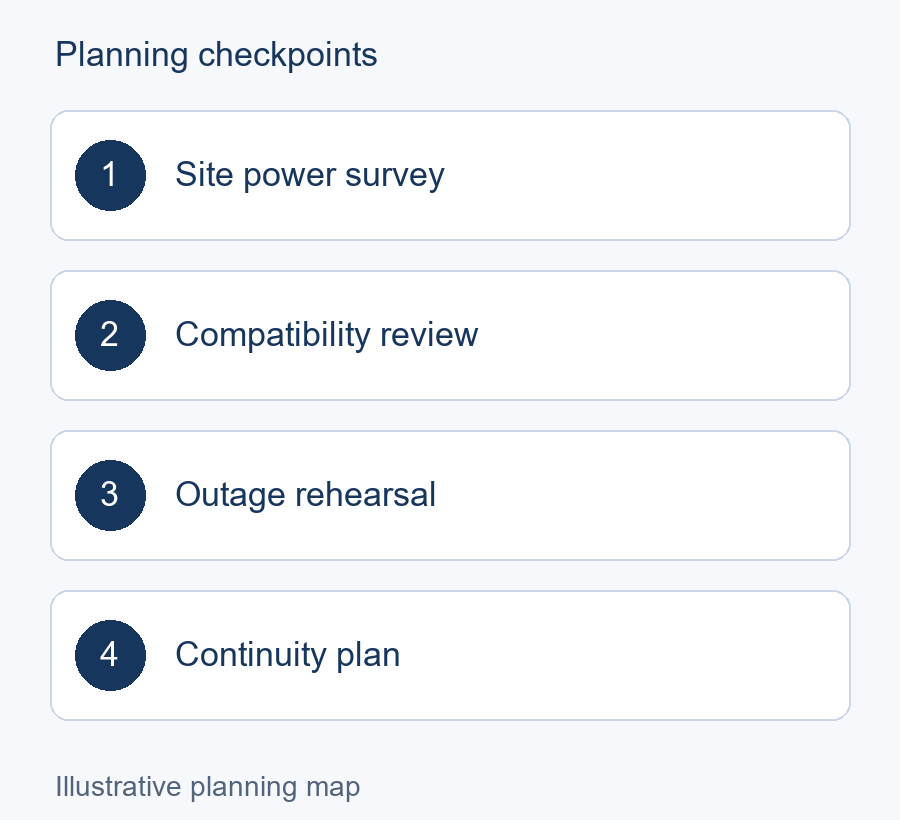
Audit the installation before ordering
Record supply conditions, outage patterns and the load of the complete proposed setup, including associated equipment. Ask qualified engineering staff to verify compatibility with the facility backup system and relevant operating limits. Do not infer battery operation from low electrical consumption.

Request a practical outage demonstration
Define what happens when supply fails and when it returns, using the approved instructions and without a patient. Check who is alerted, which settings or records must be reviewed and when the unit can resume service. Keep the clinical response separate and governed by the local neonatal protocol.
Equipment configurations to review
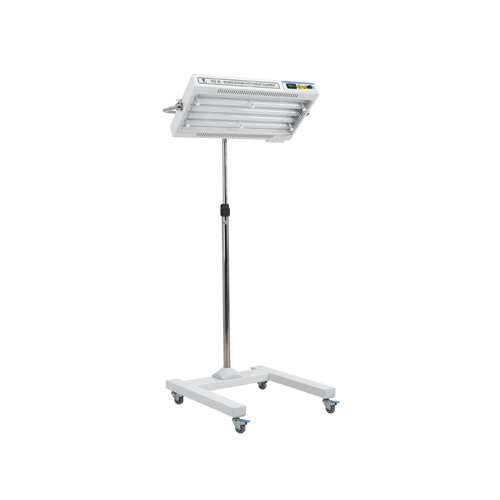
Neonatal Jaundice Treatment Lamp
CCI-XHZ90
Catalogue offers mobile and fixed arrangements. Confirm the exact light-source variant, mounting compatibility and measurement conditions.
View product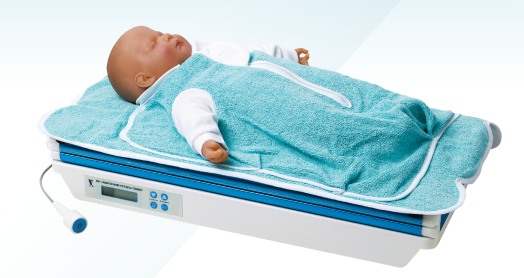
Neonate Bilirubin Phototherapy System
CCI-NBBII
Catalogue lists a bed, mattress, support and reflection cover, with temperature monitoring and a timer. Confirm the delivered configuration and applicable operating instructions.
View product
Make repair access part of the offer
Compare replacement parts, local technical capability, remote assistance and expected transport arrangements. An inexpensive unit with a long repair journey may require additional reserve capacity. Record the approved referral route when local treatment capacity is unavailable.
Procurement comparison
| Constraint | Evidence needed | Decision owner |
|---|---|---|
| Power interruption | Site survey and backup compatibility review | Engineering |
| Operating environment | Model-specific operating limits | Engineering and ward team |
| Equipment failure | Repair route and replacement plan | Procurement |
| Unavailable capacity | Approved clinical transfer pathway | Neonatal service |
Decision before ordering
Use local operating history to compare the cost of keeping a service available, not merely the cost of owning equipment. Confirm unresolved electrical questions before installation rather than during a clinical interruption.
Related articles