Phototherapy Pads: Check Accessories and Turnaround
For pad-based phototherapy, the accessory set belongs in the purchase specification. Confirm what touches the patient, which covers are approved and how each component is cleaned or replaced.
The illuminated pad, its cover and its operating arrangement should be evaluated together. Do not assume that a convenient replacement material has the same optical, cleaning or handling properties as the specified component.
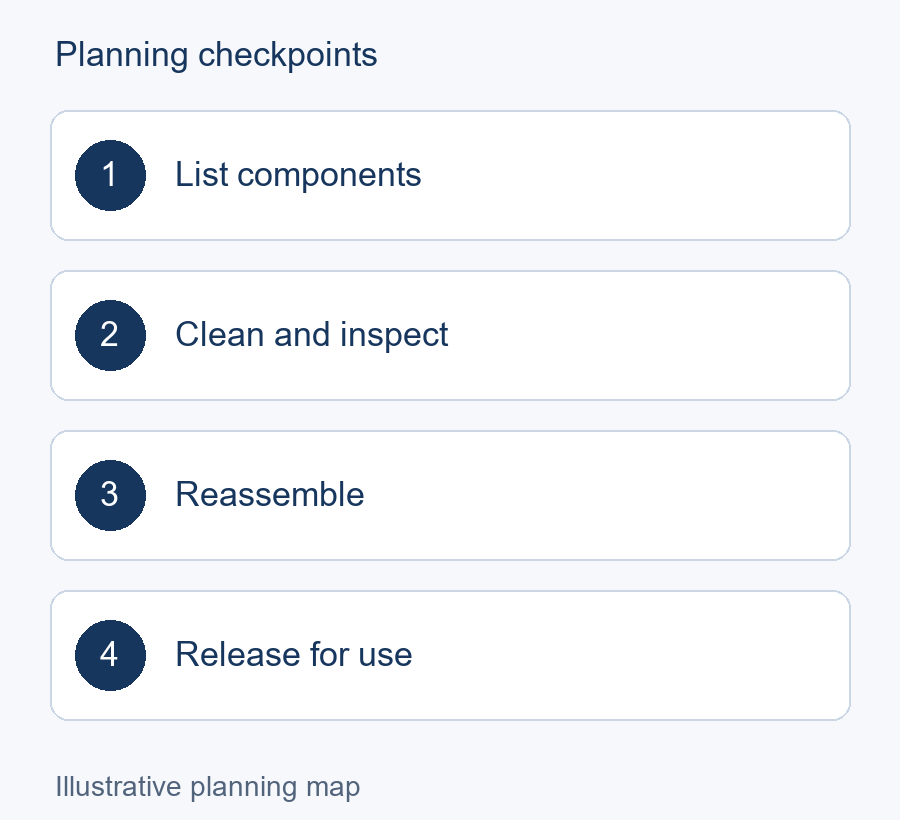
Create a component-level inventory
Ask for a list separating the light unit, pad, cover, cables and any single-use parts. Record identifiers, quantities supplied, replacement availability and instructions for each item. This prevents a low headline price from concealing a recurring accessory requirement.
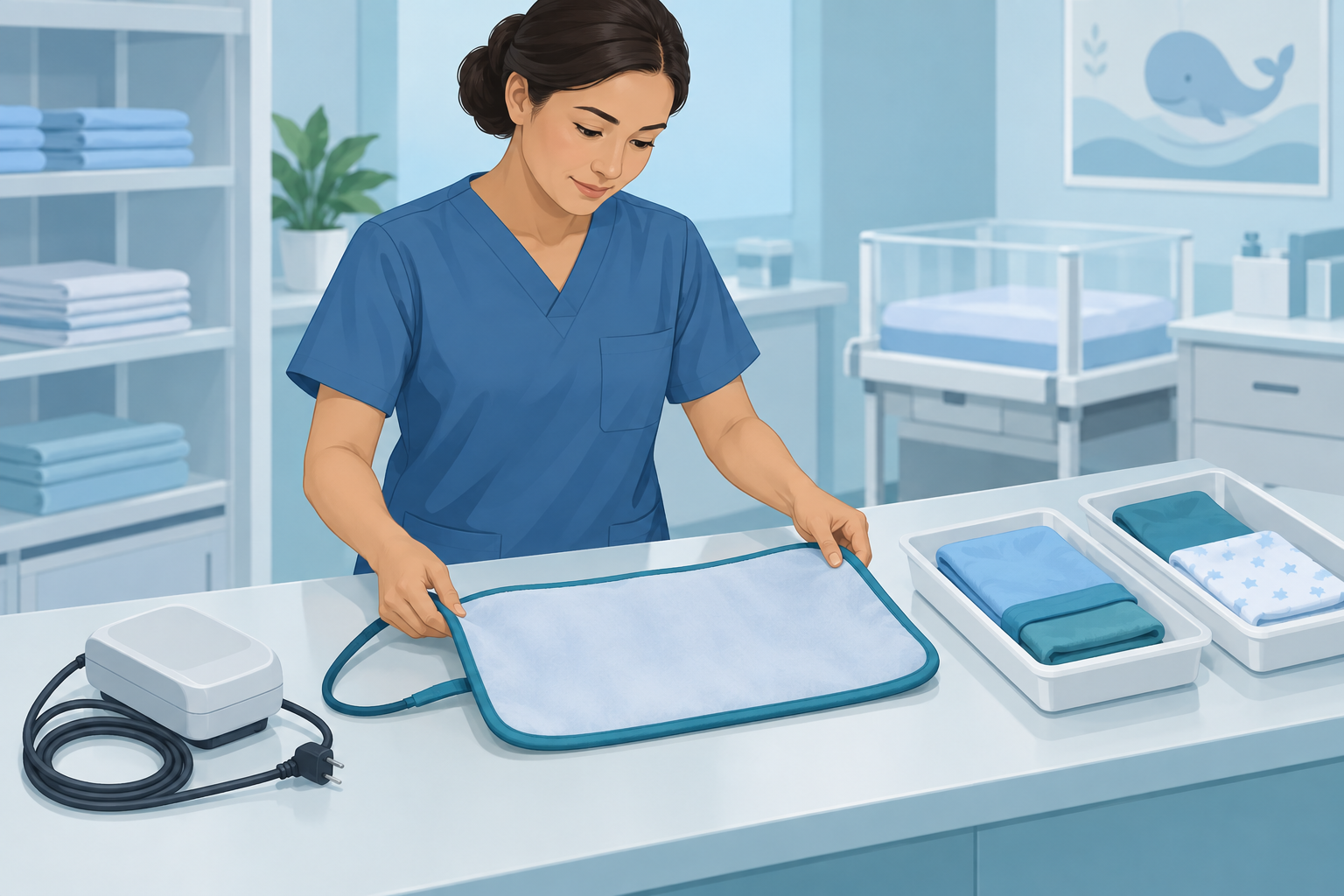
Observe the full turnover process
Have staff demonstrate removal, cleaning, inspection, reassembly and release for the next patient using the approved method. Record hands-on work and any waiting time separately. Ask where damaged or uncertain components are held so they cannot return to service accidentally.
Equipment configurations to review
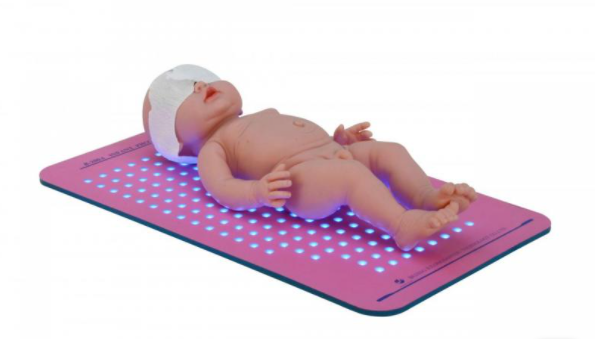
Infant LED Phototherapy Unit with Pad
CCI-200A
Catalogue describes an LED unit with a soft phototherapy pad. Request the complete accessory list, approved cleaning method and model-specific optical report.
View product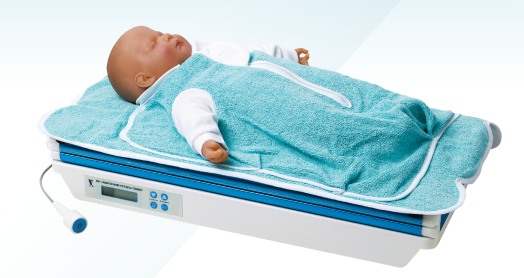
Neonate Bilirubin Phototherapy System
CCI-NBBII
Catalogue lists a bed, mattress, support and reflection cover, with temperature monitoring and a timer. Confirm the delivered configuration and applicable operating instructions.
View product
Connect stock levels to real use
Track consumption and replacement against local treatment episodes, not an assumed universal replacement interval. Keep reusable and disposable items separate in the cost model. If an accessory is substituted, review compatibility and repeat the affected checks before use.
Procurement comparison
| Component question | Record required | Procurement consequence |
|---|---|---|
| Included or optional? | Itemized delivery list | Comparable quotations |
| Reusable or disposable? | Instructions for each part | Correct recurring cost |
| How is it released after cleaning? | Inspection and release procedure | Realistic turnaround |
| What if it is damaged? | Replacement lead time and spare stock | Continuity of treatment capacity |
Decision before ordering
Approve the complete accessory list alongside the device. A demonstration is incomplete if the team cannot prepare a second patient safely using documented instructions and the stock that will actually be supplied.
Related articles