China Care Medical vs Alibaba: Which Is Better for Sourcing Medical Equipment?
China Care Medical vs Alibaba: Which Is Better for Sourcing Medical Equipment?
When You're Buying Medical Equipment, the Platform Matters as Much as the Price

Most procurement teams sourcing medical equipment from China start with Alibaba. It makes sense—the platform is massive, prices look competitive, and it feels like everything is available if you dig deep enough.
But "available" and "clinically appropriate" are two different things. For hospitals, clinics, and procurement managers buying imaging systems, dialysis machines, or operating room equipment, that gap can create serious problems.
This comparison examines what it actually looks like to source medical equipment through Alibaba versus working with a specialized supplier like China Care Medical—covering product quality, risk, support, and what happens when things go wrong.
---
The Core Difference: General Marketplace vs. Specialized Supplier
Alibaba is a B2B marketplace connecting buyers with thousands of sellers across virtually every industry—electronics, textiles, industrial parts, medical equipment, and everything in between. The platform itself doesn't sell anything. It facilitates transactions between you and individual vendors, each with their own standards, certifications, and track records.
China Care Medical operates differently. Rather than a general directory where healthcare products share shelf space with auto parts and kitchen goods, it's built exclusively around medical equipment—working directly with established manufacturers like Mindray, Edan, and Sonoscape. It functions as a procurement partner, not a listing service. That distinction has real downstream consequences: how products are verified, what documentation you receive, and what support looks like once equipment reaches your facility.
---
Product Quality and Verification
What You Get on Alibaba
Alibaba listings for medical equipment range from legitimate, certified products to unverified goods with questionable regulatory status. The platform has introduced "Verified Supplier" and "Trade Assurance" programs, but these don't guarantee clinical-grade quality or regulatory compliance.
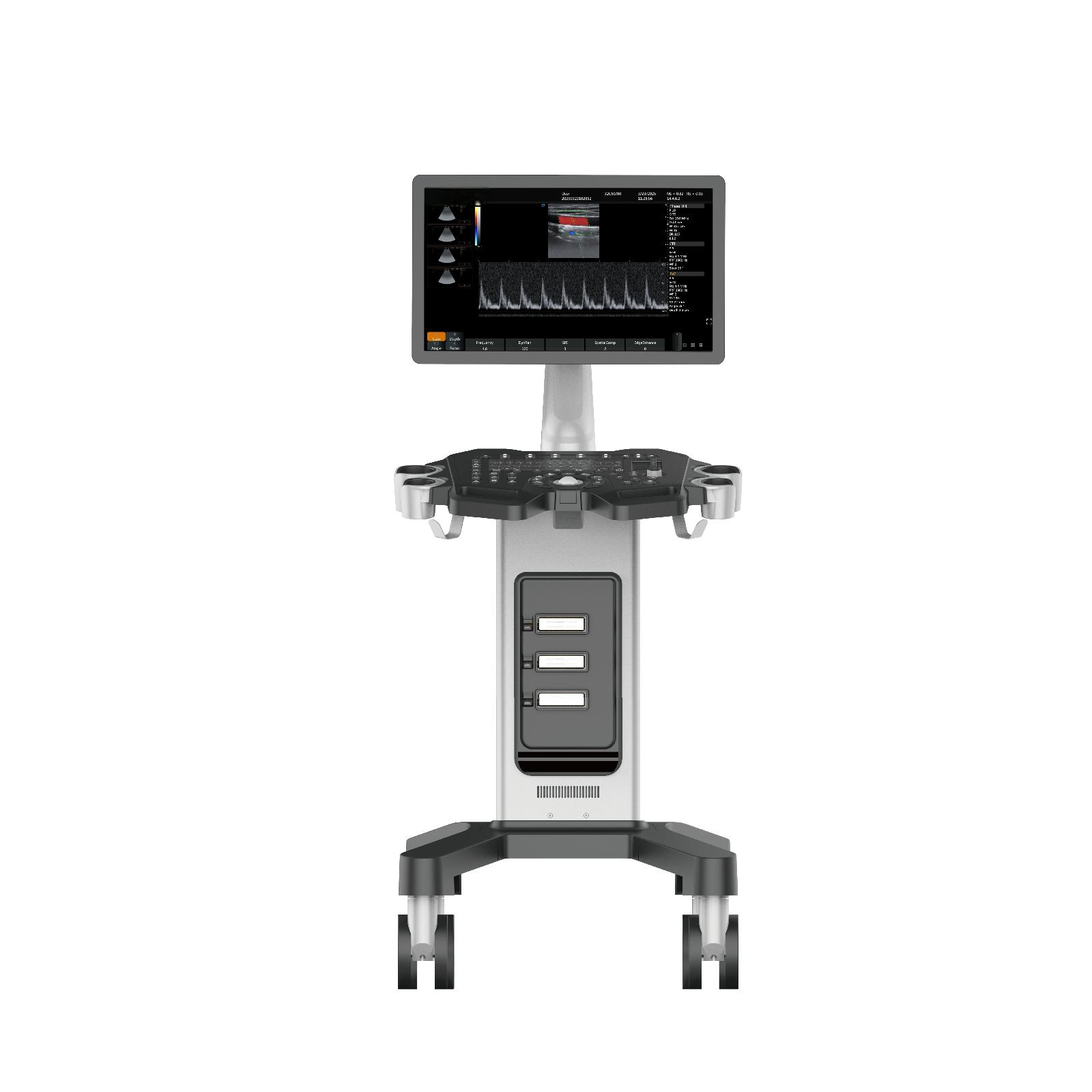
Search for an ultrasound machine on Alibaba and you'll find hundreds of listings. Some come from genuine manufacturers. Others are from trading companies reselling products with limited technical knowledge. Some listings show certifications—CE marks, FDA registration numbers—that may be outdated, misapplied, or copied from other products.
Related products
The verification burden falls entirely on you. You need to:
- Independently verify certifications
- Request and review technical documentation
- Confirm the product meets your country's regulatory requirements
- Assess whether the seller actually understands what they're selling
For procurement teams with deep technical expertise, this is manageable. For most hospital administrators or clinic managers, it's a significant risk exposure—and a time-consuming one that pulls focus away from everything else competing for attention.
What You Get with China Care Medical
China Care Medical sources from manufacturers with genuine standing in the Chinese medical device industry. Mindray, Edan, and Sonoscape aren't obscure vendors—they have international distribution networks, documented regulatory compliance, and years of presence in global markets. These aren't names you need to vet from scratch.
The catalog is organized by clinical department—imaging, dialysis, operating room, ICU—so the healthcare context is built into how you browse. It's not a general search engine. It's a procurement environment structured around how healthcare buyers actually think and work.
---
Pricing: Cheap Isn't Always Competitive

The Alibaba Price Illusion
Alibaba prices for medical equipment often look attractive at first glance—but what's listed rarely reflects what you'll actually spend to get equipment into clinical use.
Costs that frequently surface after the initial quote:
- Shipping and freight: Medical equipment is heavy, fragile, and often needs specialized handling. For large systems, freight alone can be a substantial line item—and it's rarely included in what you see upfront.
- Import duties and customs: Medical devices can attract significant import tariffs depending on your country, and the documentation requirements for regulated products add another layer of complexity and cost to clear customs.
- Compliance and certification costs: If equipment arrives without the documentation your local regulatory body requires, you may be looking at independent testing or full re-certification. That's a slow, expensive problem to deal with once the shipment is already sitting at your door.
- Returns and disputes: Alibaba's Trade Assurance offers some protection, but disputes over medical equipment—especially performance-related issues rather than outright non-delivery—are hard to win and tend to resolve in the seller's favor.
That initial price advantage has a way of shrinking fast. By the time you've worked through freight, customs, compliance, and any dispute costs, the gap between Alibaba and a specialist supplier often closes—sometimes it flips entirely.
Transparent Sourcing with a Specialist
Working with a specialized supplier doesn't automatically mean paying more—but it does mean knowing your actual spend before you commit, rather than piecing it together after the fact. China Care Medical builds quotes that reflect the full picture: freight, customs, and what it genuinely takes to get equipment operational at your facility—not just the ex-works price.
For larger procurement projects—fitting out a dialysis center, equipping a surgical suite, or stocking an entire department—that kind of cost clarity isn't a nice-to-have. It's what makes realistic budget planning and on-time delivery possible.
---
Support Before, During, and After Purchase
Alibaba: You're Largely on Your Own
Once a transaction completes on Alibaba, the platform relationship effectively ends. Any ongoing support—installation guidance, technical documentation, warranty service, spare parts—depends entirely on the individual seller.
Some sellers are excellent. Many aren't equipped to provide clinical-grade after-sales support. If imaging equipment develops a fault six months after installation, your options are limited to whatever the seller is willing to do, which may be very little.
Equipment failures in a radiology department or dialysis unit aren't just operational headaches—they have a direct impact on patient care. That's a different category of problem than a delayed shipment of office supplies.
Specialized Support from a Medical-Focused Supplier
China Care Medical is built around the needs of healthcare buyers, which means support isn't bolted on as an afterthought—it's woven into how the service works.
This includes:
- Pre-purchase consultation: Helping buyers identify the right equipment for their clinical environment and volume requirements
- Technical documentation: Ensuring buyers have the specifications, certifications, and compliance documentation they need
- Project support: For turnkey installations like laminar flow operating rooms or haemodialysis centers, managing the complexity of multi-component procurement
- After-sales follow-up: Maintaining relationships beyond the transaction
The difference becomes most visible on complex projects. Equipping a new operating room isn't a single purchase—it's coordinated procurement of multiple systems that need to work together. A general marketplace isn't designed for that. A specialized supplier is.
---
Risk Profile: What Happens When Things Go Wrong
This is where the comparison becomes most stark.
Alibaba Risk Scenarios
Counterfeit or misrepresented products: It happens. Medical equipment listings on Alibaba have included products with falsified certifications, incorrect specifications, or components that don't match what was advertised. Discovering this after installation—or worse, after clinical use—creates serious problems.
Regulatory non-compliance: If equipment doesn't meet your country's regulatory requirements (FDA, CE, local health ministry standards), you may be unable to use it legally. The cost of discovering this after purchase is high.
No recourse for performance issues: Trade Assurance covers non-delivery and significant product misrepresentation, but performance disputes—"this machine doesn't perform as specified"—are difficult to win and slow to resolve.
Communication barriers: A large share of Alibaba sellers operate primarily in Chinese. When you're discussing medical device specifications, imprecise language isn't a minor inconvenience—a misunderstood spec can mean entirely the wrong equipment shows up. In technical procurement, that kind of miscommunication tends to be expensive to sort out.
China Care Medical Risk Mitigation
Working with a specialized supplier shifts much of this risk:
- Products are sourced from manufacturers with established regulatory track records
- The supplier understands clinical context and can flag compatibility or compliance issues before purchase
- Communication is handled by a team that speaks both procurement and clinical requirements
- For large projects, the supplier has a stake in successful delivery—their reputation depends on it
No procurement process is entirely risk-free. That said, sourcing a dialysis machine through a supplier that specializes in medical equipment is a fundamentally different proposition than buying through a general marketplace—the exposure at every stage of the process is simply not the same.
---
When Alibaba Makes Sense (And When It Doesn't)
It's worth being direct: Alibaba has genuine value for certain types of medical procurement. The platform isn't the wrong tool for every job—just for some important ones.
Alibaba works reasonably well for:
- Consumables and disposables (gloves, syringes, basic PPE)
- Non-critical equipment with low regulatory complexity
- Buyers with deep technical expertise who can independently verify products and suppliers
- Organizations with established relationships with specific Alibaba vendors they've worked with before
Alibaba is a poor fit for:
- Capital medical equipment (imaging systems, surgical equipment, dialysis machines)
- Buyers without strong technical expertise in medical device procurement
- Projects requiring regulatory compliance documentation
- Situations where after-sales support and warranty service matter
- Turnkey department or facility setups
The higher the clinical stakes, the more the limitations of a general marketplace matter.
---
A Practical Comparison
| Factor | Alibaba | China Care Medical | |---|---|---| | Product range | Extremely broad, unfiltered | Curated medical equipment | | Manufacturer quality | Varies widely | Established brands (Mindray, Edan, Sonoscape) | | Certification verification | Buyer's responsibility | Handled by supplier | | Pricing transparency | Listed price only | Full landed cost guidance | | After-sales support | Seller-dependent | Included in service | | Regulatory compliance support | None | Part of the process | | Turnkey project capability | No | Yes | | Risk for capital equipment | High | Lower |
---
The Real Question Isn't Price — It's Total Cost of Ownership
Medical equipment procurement decisions are often framed around unit price. That's understandable—budgets are real, and cost matters. But the more useful lens is total cost of ownership: what does it actually cost to get equipment into clinical use, keep it running, and eventually replace it?
Factor in shipping, customs, compliance, installation, training, warranty coverage, and the operational cost of downtime when something fails, and the economics of working with a specialized supplier start to look quite different from what the headline price comparison suggests.
The potential cost of a regulatory compliance failure, a counterfeit product, or equipment that underperforms in a clinical setting isn't just financial—it's operational and, in some cases, directly clinical. That changes the risk-adjusted comparison considerably.
---
Conclusion: Specialized Sourcing for Specialized Needs
Alibaba is a powerful platform. For many product categories, it's an excellent sourcing tool. Medical equipment—particularly capital equipment for hospitals and clinics—is a category where its limitations matter most.
Healthcare procurement isn't like buying industrial components or commercial supplies. The regulatory requirements are stricter, the clinical stakes are higher, after-sales support is often non-negotiable, and the documentation trail needs to hold up to scrutiny. A general marketplace isn't structured to handle that—and the gaps tend to show up at the worst possible moments.
China Care Medical is built for exactly this context. A curated catalog from established manufacturers, organized around clinical departments, backed by sourcing expertise and support infrastructure that reflects how healthcare procurement actually works.
If you're evaluating suppliers for your next medical equipment purchase—whether it's a single ultrasound machine or a complete department setup—it's worth comparing what you're actually getting beyond the listed price.
Learn more at chinacaremedical.com
Related articles