Hospital Equipment Price List: What Does Medical Equipment Cost When Sourced from China?
Hospital Equipment Price List: What Does Medical Equipment Cost When Sourced from China?
Procurement teams working with tight budgets have increasingly turned to Chinese medical equipment manufacturers — and for good reason. The cost differences compared to traditional Western suppliers are substantial enough to genuinely change what's possible for a hospital's purchasing power, without forcing compromises on patient care.
Manufacturers like Mindray, Edan, and Sonoscape didn't start where they are today. They came up as budget options, then spent years investing in R&D, earning international certifications, and closing the performance gap with Western brands. Now they compete on quality, not just price.
Understanding the Chinese Medical Equipment Market

China's medical device sector has transformed over the past decade. Top manufacturers invested heavily in R&D, earned rigorous international certifications, and now build products that compete with Western counterparts on performance, not just price.
This evolution changes everything for procurement teams. Equipment that would have blown a hospital's budget just a few years ago is now within reach from Chinese suppliers — and the quality concerns that once gave buyers pause have largely faded for manufacturers with real track records behind them. The harder problem now is telling those established players apart from suppliers who are still cutting corners.
Quality Standards and Certifications
Reputable Chinese medical equipment manufacturers hold certifications including:
- ISO 13485 (Medical Device Quality Management)
- CE marking for European markets
- FDA approvals for US distribution
- WHO prequalification for international tenders
These credentials confirm that equipment meets international safety and performance benchmarks, making direct sourcing from China a viable path for quality-conscious hospitals.
Medical Equipment Price Comparisons by Category
Diagnostic Imaging Equipment
Ultrasound Systems
- Basic portable units: $3,000 – $8,000 (compared to $15,000 – $25,000 for Western brands)
- Mid-range cart systems: $12,000 – $25,000 (compared to $40,000 – $80,000 for Western brands)
- High-end systems with advanced features: $35,000 – $65,000 (compared to $100,000 – $200,000 for Western brands)
X-Ray Equipment
- Mobile X-ray units: $8,000 – $18,000 (compared to $25,000 – $45,000 for Western brands)
- Fixed radiography systems: $15,000 – $35,000 (compared to $50,000 – $100,000 for Western brands)
- Digital radiography upgrades: $12,000 – $25,000 (compared to $30,000 – $60,000 for Western brands)
CT Scanners
- 16-slice systems: $180,000 – $280,000 (compared to $400,000 – $600,000 for Western brands)
- 64-slice systems: $350,000 – $550,000 (compared to $800,000 – $1,200,000 for Western brands)
Patient Monitoring Systems
Related products
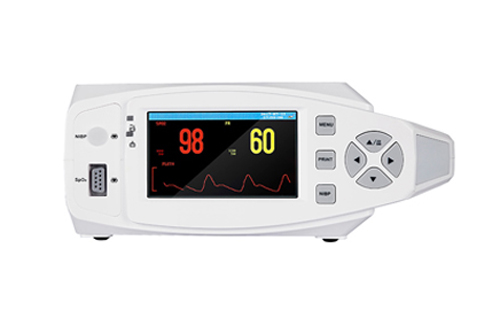
Patient monitor
SKU: CCM81A
Review the monitoring configuration, included accessories and service requirements.
View product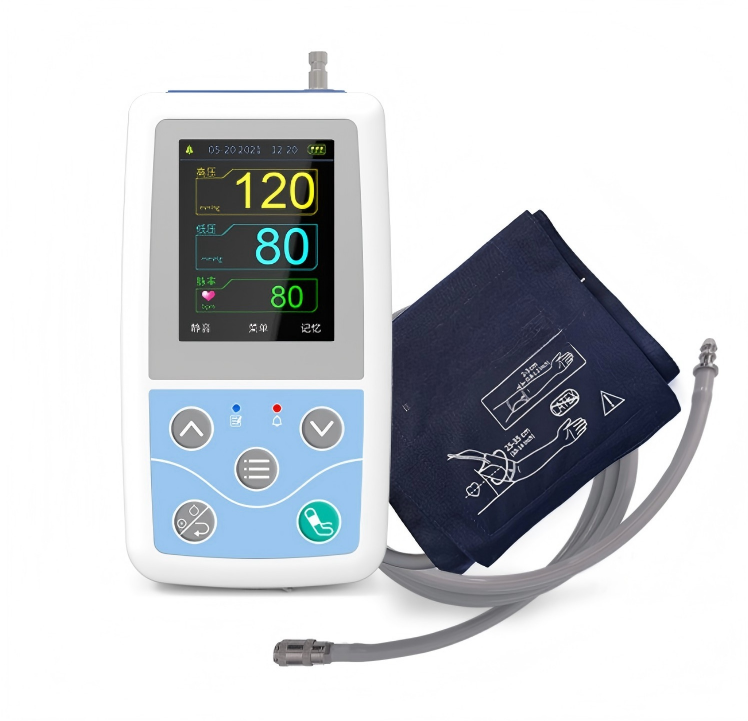
Patient Monitor
SKU: CCE-PM50
Review the monitoring configuration, included accessories and service requirements.
View product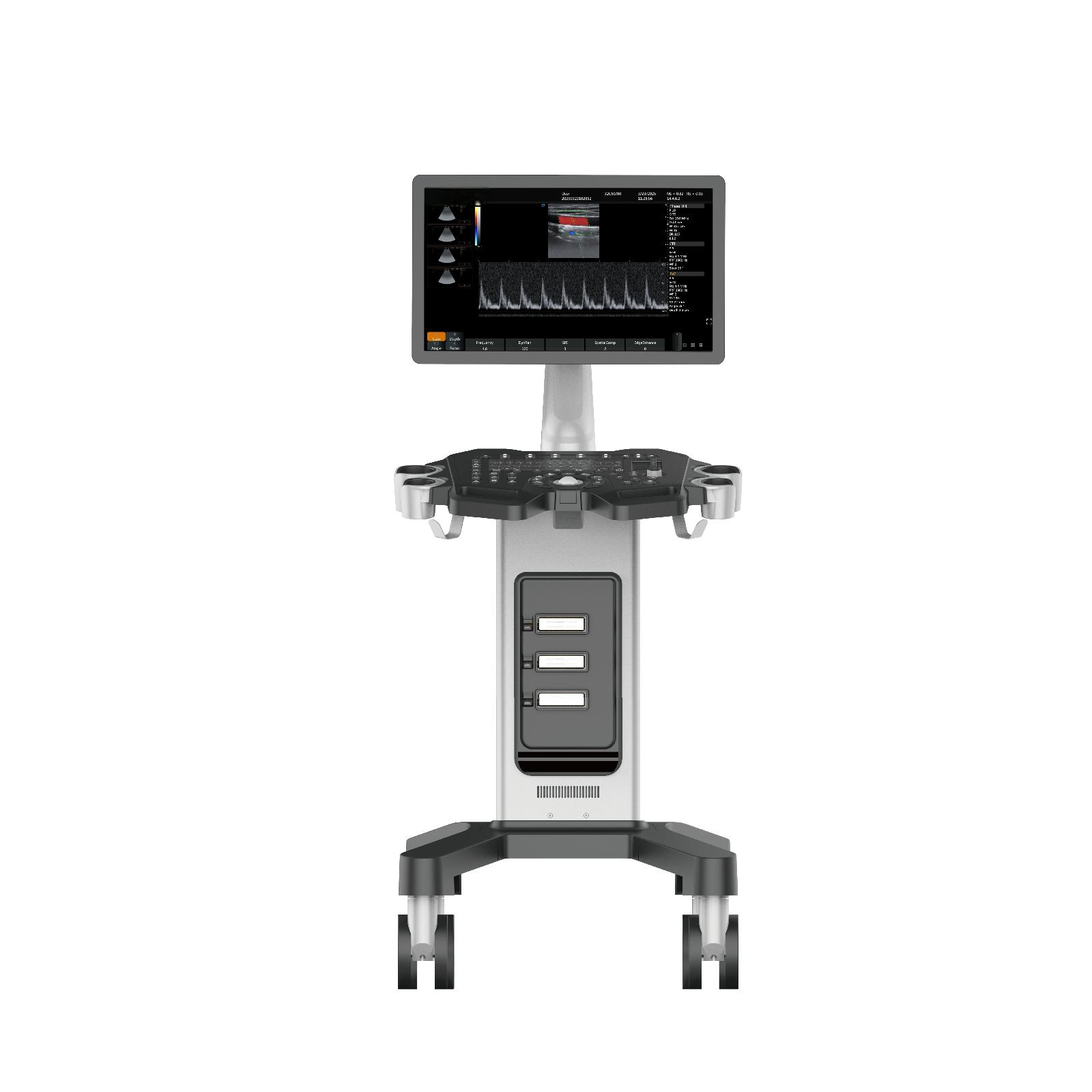
Mid-to-high-end trolley-style color ultrasound system
SKU: CCB-F5
Compare imaging configuration, probe options and service arrangements.
View product
High-end trolley-style color ultrasound system
SKU: CCB-T8
Compare imaging configuration, probe options and service arrangements.
View product
Vital Signs Monitors
- Basic bedside monitors: $800 – $1,500 (compared to $2,500 – $4,000 for Western brands)
- Advanced multi-parameter monitors: $2,000 – $4,000 (compared to $6,000 – $12,000 for Western brands)
- Central monitoring stations: $8,000 – $15,000 (compared to $25,000 – $45,000 for Western brands)
ECG Machines
- 3-channel ECG: $400 – $800 (compared to $1,200 – $2,500 for Western brands)
- 12-channel ECG: $1,200 – $2,500 (compared to $3,500 – $7,000 for Western brands)
- Stress test systems: $8,000 – $15,000 (compared to $25,000 – $50,000 for Western brands)
Laboratory Equipment
Hematology Analyzers
- 3-part differential: $8,000 – $15,000 (compared to $25,000 – $40,000 for Western brands)
- 5-part differential: $18,000 – $35,000 (compared to $50,000 – $80,000 for Western brands)
Chemistry Analyzers
- Semi-automatic systems: $3,000 – $8,000 (compared to $10,000 – $20,000 for Western brands)
- Fully automated systems: $25,000 – $60,000 (compared to $80,000 – $150,000 for Western brands)
Microscopes
- Basic clinical microscopes: $800 – $2,000 (compared to $2,500 – $5,000 for Western brands)
- Advanced research microscopes: $5,000 – $15,000 (compared to $15,000 – $40,000 for Western brands)
Operating Room Equipment
Surgical Tables
- Basic manual tables: $2,000 – $5,000 (compared to $8,000 – $15,000 for Western brands)
- Electric surgical tables: $8,000 – $18,000 (compared to $25,000 – $50,000 for Western brands)
- Specialized tables (C-arm compatible): $12,000 – $25,000 (compared to $35,000 – $70,000 for Western brands)
Surgical Lights
- Single-head LED lights: $3,000 – $8,000 (compared to $10,000 – $20,000 for Western brands)
- Double-head surgical lights: $8,000 – $18,000 (compared to $25,000 – $45,000 for Western brands)
Anesthesia Machines
- Basic systems: $12,000 – $25,000 (compared to $40,000 – $80,000 for Western brands)
- Advanced ventilation systems: $25,000 – $45,000 (compared to $80,000 – $150,000 for Western brands)
Dialysis Equipment
Hemodialysis Machines
- Single-patient units: $8,000 – $15,000 (compared to $25,000 – $40,000 for Western brands)
- Multi-patient systems: $35,000 – $60,000 (compared to $100,000 – $180,000 for Western brands)
Water Treatment Systems
- Basic RO systems: $15,000 – $30,000 (compared to $40,000 – $70,000 for Western brands)
- Complete dialysis center setups: $80,000 – $150,000 (compared to $250,000 – $400,000 for Western brands)
Factors That Affect Pricing
Volume and Order Size
Larger orders bring better pricing. Hospitals purchasing complete department setups or multiple units often secure discounts of 10–20% beyond standard list prices — which makes Chinese sourcing especially attractive for new hospital builds or major equipment refreshes.
Customization Requirements
Standard configurations offer the strongest value. Custom features or specifications will push costs up, but even customized Chinese equipment typically runs 40–60% less than comparable Western alternatives.
Shipping and Logistics
Transportation costs depend heavily on equipment size and delivery timeline. Smaller devices typically run $1,000 to $5,000 to ship, while large imaging systems can push that figure to $10,000 or $25,000. If timeline matters, air freight cuts delivery from 6–8 weeks down to 1–2 weeks — but you'll pay roughly twice the sea freight cost for that speed.
Installation and Training
Most quality manufacturers include installation and training in the package rather than billing for them separately. It typically adds 5–10% to the overall cost, but getting equipment set up correctly and staff trained from the start is worth it — and it's far cheaper than fixing problems after the fact.
Hidden Costs Worth Factoring In

Regulatory Compliance
Before committing to a purchase, verify that the equipment meets your local regulatory requirements. Some regions require additional certifications or modifications that aren't reflected in the base price — this can add anywhere from 5–15% to your total costs, so it's worth confirming early.
Warranty and Service
Standard warranties from Chinese manufacturers typically run 1–2 years, with local service support available in most major markets. Extended warranties and service contracts can be arranged, though they'll add to your total ownership costs.
Spare Parts and Consumables
Parts and consumables are easy to underestimate in a budget, but they add up. The good news is that established manufacturers generally guarantee parts availability for 7–10 years, and those parts tend to cost 30–50% less than Western equivalents.
Procurement Best Practices
Vendor Verification
Focus on manufacturers with international certifications and a verifiable history in the market. Ask for references from current customers, and for larger orders, a facility visit is worth the effort.
Quality Assurance
Where possible, arrange factory acceptance testing before equipment ships. Manufacturers with nothing to hide will welcome third-party inspections and should have testing documentation ready to share without much prompting.
Payment Terms
Standard payment structures typically run 30% upfront, 60% before shipment, and the remaining 10% after installation and acceptance testing. There's often room to negotiate, particularly on larger orders or with suppliers you've worked with before.
Technical Support
Before finalizing any purchase, confirm that the manufacturer can provide thorough technical documentation, training materials, and ongoing support in a language your team can work with. Service complications down the line often trace back to language gaps that weren't addressed at the start — so nail down local support capabilities before you sign anything.
Making the Business Case
Total Cost of Ownership
Initial purchase price tells only part of the story. Complete total cost of ownership calculations should include:
- Initial purchase price
- Shipping and installation
- Training and certification
- Ongoing maintenance
- Parts and consumables
- Productivity and reliability factors
Risk Assessment
Risks worth considering include longer lead times for replacement parts, potential service challenges, technology obsolescence, and regulatory changes in target markets.
Financial Impact
For most hospitals, sourcing from China can cut equipment budgets by 40–70% without sacrificing the quality standards that matter clinically. That's not a marginal difference — it's the kind of savings that opens up real options: more equipment, facility improvements, or operational spending that would otherwise be out of reach.
Working with Chinese Suppliers
Communication
Sort out communication protocols before anything else. Most major manufacturers have English-speaking sales and technical staff, but that's not a substitute for detailed written specifications. Technical misunderstandings are expensive — get everything documented clearly before the project moves forward.
Project Management
Larger equipment purchases don't manage themselves. Coordinating shipping, installation, training, and acceptance testing across multiple vendors is a real job, and someone needs to own it end to end.
Long-term Relationships
Suppliers who know your facility and see you as a long-term partner tend to behave differently than one-off vendors. Over time, that usually translates to better pricing, faster response when something goes wrong, and more flexibility during periods when demand is high and supply is tight.
Conclusion
For hospitals willing to put in the work upfront, Chinese medical equipment manufacturers offer genuine cost savings without the quality compromises that once made buyers hesitant. The 40–70% price advantage over Western brands is significant enough to change what's financially possible for budget-conscious facilities.
That said, the savings don't come automatically. Vendor evaluation takes time, quality assurance requires process, and managing international procurement across multiple suppliers demands real attention. Hospitals that build those capabilities — and choose suppliers with solid certifications, reliable support, and a genuine long-term presence in the market — tend to come out ahead both financially and clinically.
Ready to explore cost-effective options for your facility? Visit chinacaremedical.com to learn how direct sourcing from reputable Chinese manufacturers can optimize your equipment budget without compromising on quality.
Related articles