Medical Equipment Shipping from China: Freight Options, Lead Times, and Cost Breakdown
Medical Equipment Shipping from China: Freight Options, Lead Times, and Cost Breakdown
You've sourced the perfect ultrasound machine or dialysis unit from China and locked in a solid price. Now comes the harder part: getting it to your facility in one piece, on schedule, and without blowing your budget. The wrong shipping decision can push delivery back by weeks, pile on thousands in costs you didn't see coming, or deliver damaged equipment right when your patients need it most.
This guide covers everything you need to know about shipping medical equipment from China—from choosing between air and sea freight to understanding real lead times and avoiding expensive mistakes.
Why Medical Equipment Shipping Is Different

Medical devices aren't like regular cargo. That $500,000 CT scanner needs completely different handling than a box of office supplies. These machines contain sensitive electronics, often require specific environmental conditions, and must meet strict regulatory standards.
Shipping internationally from China adds its own complications on top of that. Language barriers, time zone gaps, and unfamiliar logistics networks trip up a lot of buyers. And while most people spend plenty of time negotiating equipment prices, shipping costs—which can quietly add 10–20% to your total spend—often don't get the same attention until the invoice arrives.
Air Freight vs Sea Freight: Which Makes Sense?
Air Freight for Medical Equipment
When speed matters more than cost, air freight is the answer. It's the right call for urgent orders or high-value equipment where every day of delay has real consequences.
Why choose air freight:
- Equipment arrives in 3-7 days from departure
- Better handling reduces damage risk
- Perfect for temperature-sensitive devices
- Lower insurance costs due to shorter transit
- Superior tracking and communication
Air freight typically runs $4–8 per kilogram, with rates shifting based on route, season, and equipment dimensions. A 500kg ultrasound machine will generally run you $2,000–4,000 to ship by air.
Air freight works best for:
- Emergency replacements
- Equipment needed for immediate patient care
- Compact, high-value devices like patient monitors
Related products
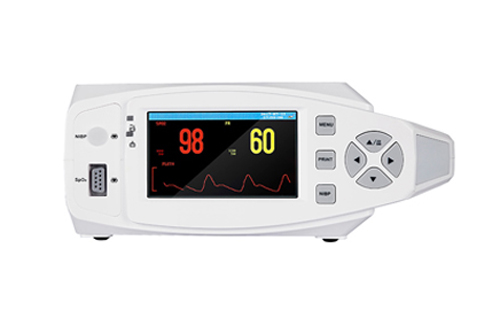
Patient monitor
SKU: CCM81A
Review the monitoring configuration, included accessories and service requirements.
View product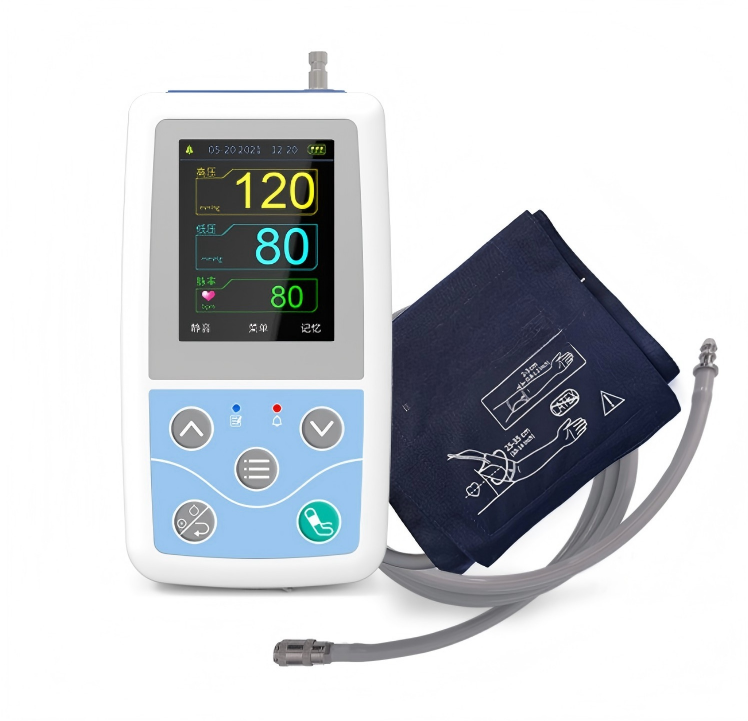
Patient Monitor
SKU: CCE-PM50
Review the monitoring configuration, included accessories and service requirements.
View product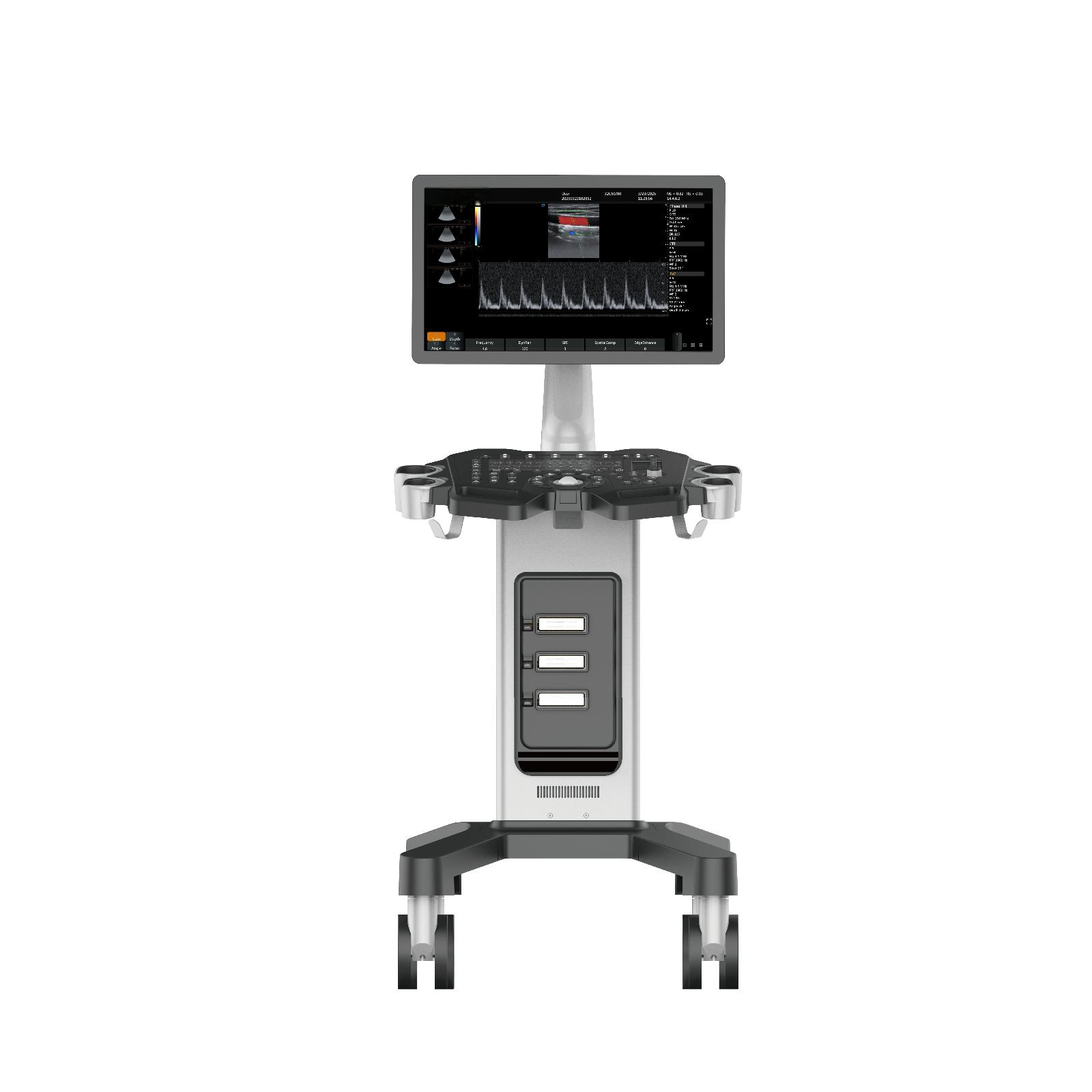
Mid-to-high-end trolley-style color ultrasound system
SKU: CCB-F5
Compare imaging configuration, probe options and service arrangements.
View product
High-end trolley-style color ultrasound system
SKU: CCB-T8
Compare imaging configuration, probe options and service arrangements.
View product
- Temperature-sensitive items requiring controlled environments
Sea Freight for Medical Equipment
Sea freight delivers significant cost savings for large, heavy equipment when delivery speed isn't urgent.
Why choose sea freight:
- Dramatically lower per-kilogram costs
- Easily accommodates oversized equipment like MRI machines
- More environmentally friendly
- Perfect for bulk orders
Sea freight runs $800-2,000 per cubic meter, which makes it appealing for large shipments. However, those 15-35 day transit times mean you'll need to plan well ahead.
Sea freight works best for:
- Large equipment like imaging systems
- Non-urgent orders with flexible delivery dates
- Bulk purchases of multiple units
- Budget-focused buyers who can plan ahead
Realistic Lead Times for Medical Equipment
Knowing actual lead times prevents disappointment and helps with facility planning.
Manufacturing Times
Medical equipment production takes 2-8 weeks depending on complexity:
- Standard ultrasound machines: 2-4 weeks
- Patient monitors and basic devices: 1-3 weeks
- Dialysis machines: 4-6 weeks
- Imaging equipment (CT, MRI): 6-12 weeks
- Custom or turnkey solutions: 8-16 weeks
Shipping Times
Air Freight:
- Pickup and export processing: 2-3 days
- Flight time: 1-2 days
- Import clearance: 1-3 days
- Total: 4-8 days
Sea Freight:
- Port preparation: 3-5 days
- Ocean transit: 15-30 days (destination dependent)
- Port clearance and delivery: 3-7 days
- Total: 21-42 days
Customs Processing
Medical equipment gets extra attention at customs. FDA registration checks, CE marking verification, and import permits can add 1-5 days. Having complete documentation ready prevents expensive delays.
Packaging That Protects Your Investment

Proper packaging ensures equipment arrives ready for immediate use.
Essential Packaging Components
Wooden crates remain the top choice for medical equipment shipping. They provide structural protection and meet international requirements. Packaging typically adds 10-15% to equipment weight and volume.
Shock-absorbing materials like custom foam inserts and air cushions protect sensitive electronics from vibration and impact. For high-value equipment, custom-molded foam is often the only way to go.
Moisture barriers—sealed plastic combined with desiccant packs—keep humidity from causing damage during long ocean voyages.
Special Requirements
Temperature-sensitive equipment may call for insulated packaging or refrigerated containers, particularly for diagnostic reagents or biological materials.
Fragile components like LCD screens or precision optics need reinforced packaging and clearly marked handling instructions—"fragile" labels that actually get noticed.
Complete Cost Breakdown
Understanding all shipping expenses prevents budget surprises.
Primary Shipping Costs
Freight charges are your largest line item. Rates shift based on weight, dimensions, and shipping method—air freight charges whichever is higher between actual and volumetric weight, while sea freight typically bills by the cubic meter.
Fuel surcharges move with oil prices and can tack an extra 10–25% onto your base freight rate without much warning.
Additional Expenses
Export documentation—commercial invoices, packing lists, certificates of origin—generally runs $100–300.
Import duties and taxes vary by destination country and equipment category. Medical devices often qualify for reduced rates, but budget for anywhere between 0–15% of equipment value.
Customs brokerage fees range from $200-800 depending on shipment complexity and required paperwork.
Insurance costs 0.1-0.5% of equipment value but provides crucial protection for expensive medical devices.
Terminal handling at ports adds $200-500 per shipment for sea freight.
Often-Overlooked Costs
Storage fees accumulate when equipment sits at ports or warehouses due to documentation problems.
Final delivery to your facility from the port or airport is easy to forget until the bill arrives—expect $500–2,000 depending on distance and how large the equipment is.
Installation and setup can add meaningful cost too, particularly for complex imaging systems that need specialized technicians on-site.
Preventing Damage and Delays
A little upfront planning goes a long way toward protecting your equipment—and your timeline.
Selecting Experienced Freight Forwarders
Not all freight forwarders are equipped to handle medical cargo. Look for ones who specialize in it. They'll know the regulatory requirements, understand how to handle sensitive equipment properly, and have relationships with carriers who take medical shipments seriously.
Documentation Excellence
Get all required documents ready before shipping begins:
- Detailed commercial invoices with accurate product descriptions
- Origin certificates and manufacturer compliance documents
- Import permits and regulatory approvals
- Insurance certificates and shipping instructions
Communication and Monitoring
Stay in regular contact with your supplier and freight forwarder throughout the process. Real-time tracking helps, but being proactive means you can catch small issues before they turn into costly delays.
Leveraging China Care Medical's Shipping Expertise
Sourcing through China Care Medical gives you direct access to established relationships with manufacturers like Mindray, Edan, and Sonoscape—connections built over time that tend to make shipping coordination smoother and delivery timelines more predictable.
We've worked with international buyers across a wide range of procurement scenarios, so we know where the friction points are and how to work around them. Whether you're airfreighting a single patient monitor or shipping a full dialysis center's worth of equipment by sea, having someone in your corner who's navigated this before makes a real difference.
Making Smart Shipping Decisions
Your shipping choice should balance three key factors: how urgent your need is, what your budget allows, and what type of equipment you're moving.
When patients need equipment quickly, air freight costs become worthwhile. When you're planning ahead with flexible timelines, sea freight can save you serious money. When your order has mixed urgency, split shipments are worth considering—move the critical items by air and let the rest follow by sea.
Just keep in mind that going with the cheapest option isn't always the most economical one. Delays, damage, and equipment downtime all carry their own costs.
Moving Forward Confidently
Shipping medical equipment from China successfully is really about getting three things right: understanding your actual lead times, knowing the full cost picture before you commit, and catching potential problems early enough to do something about them.
Plan ahead, work with partners who know this space, and stay engaged throughout the process. With the right groundwork in place, international equipment shipping stops being a source of stress and becomes just another step you've handled before.
Ready to explore medical equipment options with reliable shipping support? Visit chinacaremedical.com to discover how streamlined procurement and logistics can transform your equipment sourcing experience.
Related articles