Dental Equipment from China: Top Products, Suppliers, and What to Check Before Buying
Dental Equipment from China: Top Products, Suppliers, and What to Check Before Buying
China has become a powerhouse in the global dental equipment market. From basic treatment chairs to advanced imaging systems, Chinese manufacturers now offer products at prices that make quality equipment accessible to clinics and distributors worldwide.
This shift didn't happen overnight. Over the past decade, manufacturers like Foshan Joinchamp Medical Device, Runyes Medical, and Coxo have poured resources into R&D, quality control, and international certifications. The outcome? Professional-grade dental equipment that meets international standards while staying far below the premium pricing you'd expect from European or American brands.
But here's the thing—buying from Chinese suppliers requires homework. Understanding which product categories deliver, which manufacturers have proven themselves, and what you need to verify before sending payment makes all the difference between a smart purchase and an expensive mistake. Let's break it down.
---
Top Dental Equipment Categories from Chinese Manufacturers

Related products
Dental Chairs and Treatment Units
Chinese dental chair manufacturers have grabbed serious market share by offering feature-packed units at prices that make sense. Today's models come loaded with programmable positioning and memory settings, LED operating lights with adjustable intensity, integrated suction and cuspidor systems, touchscreen controls, and ergonomic designs that work for both patient comfort and clinician workflow.
Take manufacturers like Foshan Joinchamp and Stern Weber China—their chairs compete head-to-head with international brands on functionality while costing 30–50% less. The key is knowing what to look for: motor reliability, upholstery durability, and whether you can actually get replacement parts when you need them.
Dental Imaging Systems
Chinese manufacturers have invested heavily in imaging technology, and it shows across several product types.
Panoramic X-ray Machines: Companies like Vatech China and Runyes offer panoramic systems with digital sensors, 3D imaging capabilities, and intuitive software interfaces.
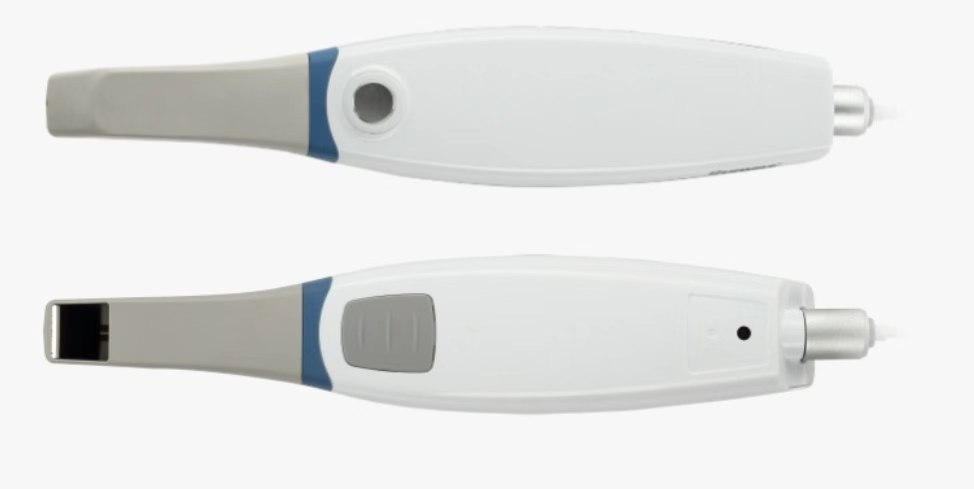
Intraoral Cameras: High-resolution cameras with LED lighting and wireless connectivity, often priced 60–70% below Western alternatives.
CBCT Systems: Cone beam computed tomography units built for implant planning and complex diagnostics, with image quality that increasingly rivals established global brands.
Smaller practices benefit significantly from these developments. Advanced diagnostic tools that once required substantial capital investment are now within reach—Chinese manufacturers have bridged this gap by combining sophisticated digital technology with accessible pricing.
Dental Handpieces and Instruments
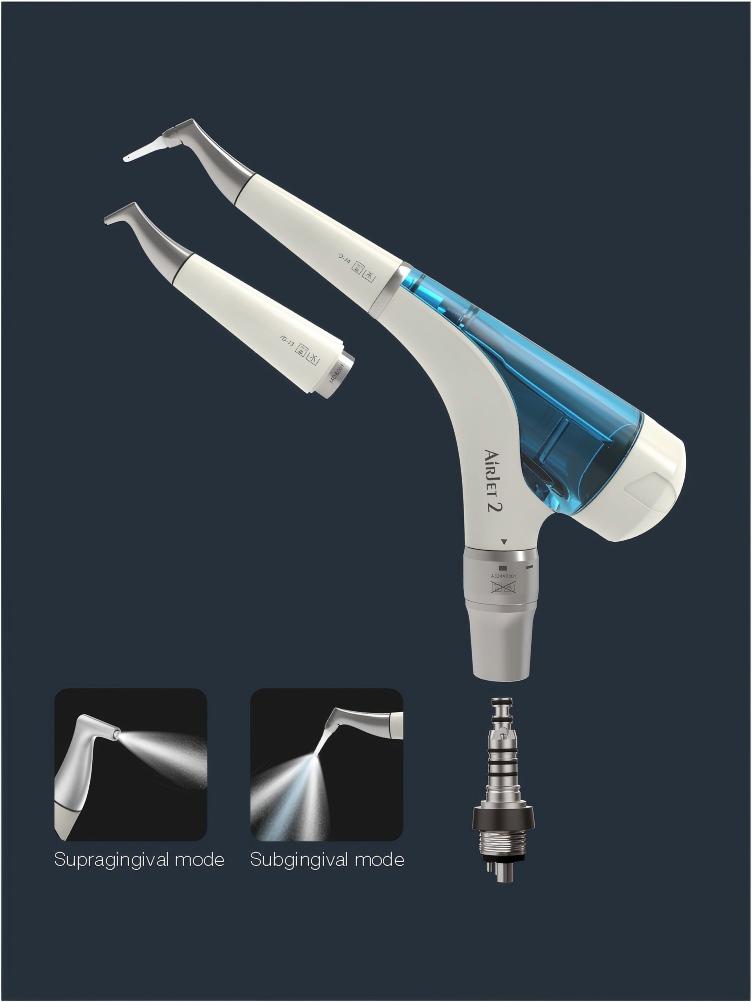
Chinese manufacturers produce an extensive selection of handpieces—high-speed air turbine units, low-speed contra-angle handpieces, electric systems, and surgical handpieces for oral surgery applications. Brands like NSK China and Coxo have developed products that meet international durability standards while maintaining competitive pricing.
Quality can vary more widely in this category compared to others. Rather than avoiding these products entirely, focus on thorough supplier research and verification before making your purchase decision.
Sterilization and Infection Control Equipment
The sterilization lineup from Chinese manufacturers is broader than many buyers expect: Class B and Class S autoclaves with advanced vacuum and drying cycles, multi-frequency ultrasonic cleaners, and automated washer-disinfectors for instrument processing. A number of these products are built on European technology through joint ventures or licensing agreements, which goes a long way toward supporting compliance with international infection control standards.
---
Leading Chinese Dental Equipment Suppliers
Established Manufacturers
Foshan Joinchamp Medical Device Co., Ltd. — Specializes in dental chairs, delivery systems, and integrated dental units. Known for solid construction and reliable after-sales support.
Runyes Medical Instrument Co., Ltd. — Focuses on dental imaging, endodontic equipment, and digital dentistry solutions. Has a strong reputation for innovation in digital X-ray technology.
Coxo Medical Instrument Co., Ltd. — Produces handpieces, LED curing lights, and endodontic motors, with an emphasis on precision engineering and international certifications.
Guangzhou Chuang Qi Medical Equipment Co., Ltd. — Manufactures dental chairs, operating lights, and sterilization equipment. Particularly noted for customization capabilities and OEM services.
Emerging Players
A number of newer manufacturers are building solid reputations in specialized areas:
- Ajax Medical Group — Dental implant systems and surgical instruments
- Woodpecker Medical Instrument — Ultrasonic scalers and endodontic equipment
- Being Foshan Medical Equipment — Comprehensive dental unit solutions
These companies often offer more competitive pricing and greater flexibility on customization than their more established counterparts.
---
Critical Evaluation Criteria Before Purchasing
Regulatory Compliance and Certifications
Before anything else, confirm that the equipment meets the standards required in your market.
CE Marking is essential for European sales, indicating compliance with EU medical device regulations. FDA 510(k) Clearance is required for the U.S. market. ISO 13485 covers quality management systems specific to medical devices. IEC Standards address electrical safety and electromagnetic compatibility.
Obtain documentation for every relevant certification, then verify authenticity through official databases. Skip the supplier's paperwork and check everything yourself through official channels.
Quality Control and Manufacturing Standards
Certifications tell you what a manufacturer says about their processes. But to really understand how they operate day-to-day, you need to see their quality control in action. A factory audit—whether you do it yourself or hire a third-party service—shows you what documentation can't.
Look at how they inspect incoming materials, test products during manufacturing, and validate finished equipment before it ships. Manufacturers who track components throughout production usually run tighter quality systems overall.
Technical Support and Service Network
Your equipment investment depends on reliable ongoing support. Check whether the manufacturer has authorized service technicians in your region, how long they guarantee parts availability (five to ten years is standard for major equipment), what operator training looks like, and what response times they commit to for technical support and emergency calls.
Warranty and Service Agreements
Warranty terms on Chinese dental equipment typically run one to two years of comprehensive coverage on major components, with six to twelve months on consumables and accessories—plus optional extended programs if you want them. Whatever the agreement says, make sure it's specific about what's covered and what isn't. Vague language tends to benefit the manufacturer, not you. Push to negotiate terms that actually reflect how you'll use the equipment.
---
Financial Considerations and Total Cost of Ownership

Initial Investment Comparison
The cost difference between Chinese and Western dental equipment is significant across most categories:
- Dental Chairs: $8,000–$25,000 vs. $20,000–$50,000 for Western brands
- Panoramic X-ray Systems: $15,000–$35,000 vs. $40,000–$80,000
- CBCT Units: $45,000–$120,000 vs. $150,000–$300,000
Operating Cost Analysis
The purchase price is just the beginning. You'll spend 8–12% of the equipment's value each year on service contracts, then add replacement parts, filters, and consumables that need regular replacement. Factor in the time your staff spends learning new systems and any productivity dips during transitions—these costs hit your bottom line even though they don't show up on invoices. And before you sign anything, nail down the details on software updates and future hardware upgrades.
Financing and Payment Terms
Chinese manufacturers often work with international buyers on payment arrangements: letter of credit options, payment plans for large orders, leasing through third-party financial companies, and trade-in programs when you're ready to upgrade.
---
Risk Management and Due Diligence
Supplier Verification Process
Taking a systematic approach to supplier evaluation saves you from expensive surprises later. Check that they're legally registered and have proper operating permits. Look at financial statements and credit ratings if you can get them. Talk to other customers in markets similar to yours. Visit their manufacturing facilities when possible. And evaluate their quality management systems firsthand instead of taking their word for it.
Intellectual Property Considerations
Verify that products don't infringe on existing patents. Review the supplier's policies on design confidentiality, establish clear agreements around any proprietary modifications, and confirm their compliance with international IP regulations.
Logistics and Import Considerations
Plan logistics carefully. Air freight works for urgent orders; sea freight makes more sense for large equipment shipments. Ensure you have the proper medical device import permits and customs documentation in order. Arrange comprehensive insurance coverage for transit and installation. And coordinate with suppliers early on installation and commissioning support—this step is often underestimated.
---
Making the Right Choice for Your Practice
Choosing dental equipment from Chinese manufacturers comes down to balancing cost savings against quality requirements and long-term support. Start with an honest assessment of your clinical needs, budget, and growth trajectory.
If you're focused on cost-effectiveness without sacrificing essential functionality, Chinese manufacturing offers real value. New clinics and practices serving price-conscious markets usually benefit most from these options. But if you have specialized needs—cutting-edge technology requirements or strict regulatory environments—the decision gets trickier.
Many practices find success with a mixed approach: Chinese equipment for standard applications where it performs reliably, premium solutions where clinical demands justify the extra cost. Whatever you choose, keep an eye on this market. Chinese manufacturers are pushing hard on innovation and quality, and the performance gap with Western equipment keeps shrinking while the cost advantage remains strong.
Ready to explore your options? China Care Medical connects dental practices and procurement teams with verified suppliers across all major equipment categories. Visit chinacaremedical.com to discover how we can help you source quality dental equipment that matches your budget and clinical needs.
Related articles