Red-Light Equipment: Write a Verifiable Tender
Specify the skin concern and intended setting before asking for red-light equipment prices. A colour name, a photograph of a glowing mask or the number of light modes cannot establish the clinical suitability of a device.
For a clinic tender, separate three questions: what the light module delivers, what evidence supports the proposed use, and which additional facial-care functions the service actually needs. Research on a different device is not a substitute for documentation of the quoted configuration.
Request evidence that can be checked
Ask for a model-specific technical schedule rather than a list of marketing benefits. Keep missing information visible until the clinical and technical reviewers have resolved it.
| Question | Document or demonstration | What it clarifies |
|---|---|---|
| What light is delivered? | Wavelength information and optical output data with measurement conditions | The relevant light specification rather than a colour label |
| How is exposure controlled? | Instructions, treatment distance where applicable, timer and operating limits | Whether the proposed workflow follows the device instructions |
| What supports the intended use? | Relevant device documentation and study details | Whether population, setting and protocol match the planned service |
| What protection is required? | Eye-protection instructions and compatible protective accessories | What must be supplied and taught before use |
Separate the light module from the workstation
A facial system with a light mask and a broader skin-management workstation answer different purchasing questions. The listed CCQ-SPA639 includes a multicolour mask; the CCB-281 is a multifunction workstation. Do not assume the latter is an equivalent red-light device or that the mask has a verified indication for every advertised skin concern. Compare the documented module list before deciding whether additional functions justify their cost.
Configurations for your equipment enquiry
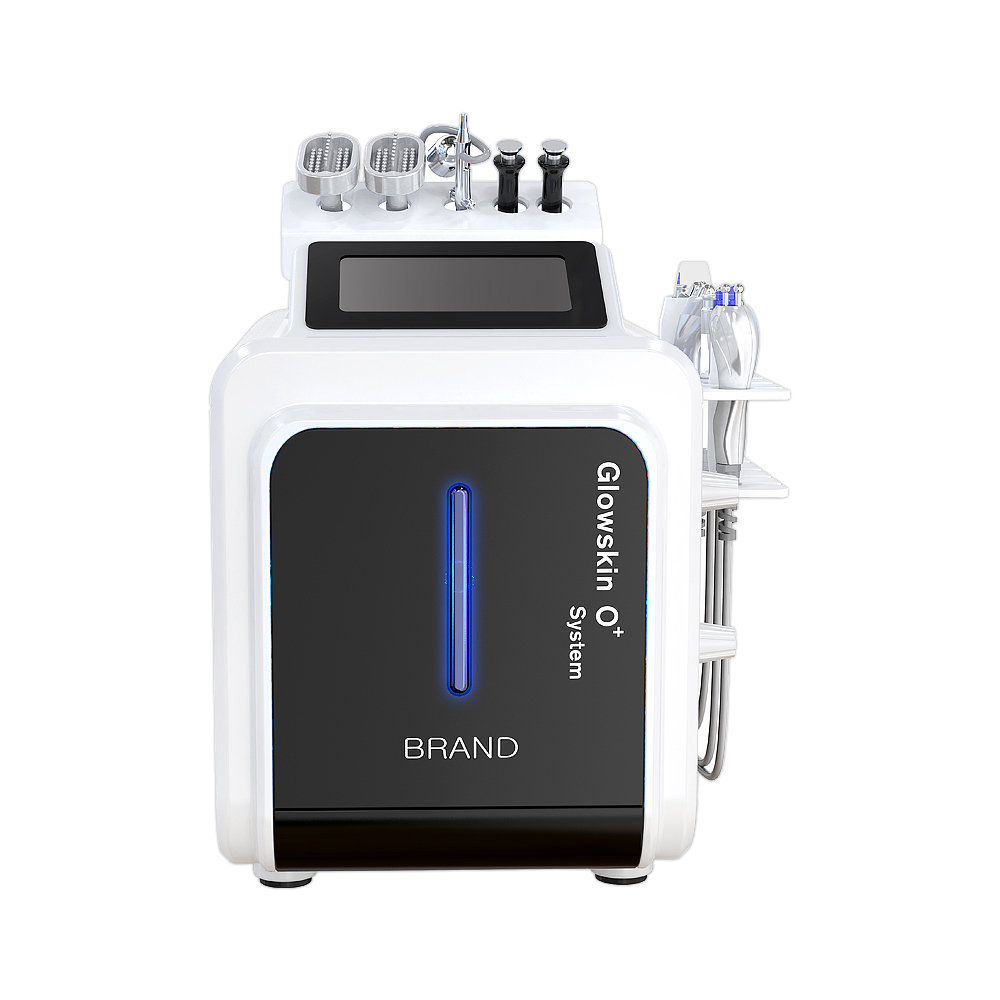
SPA Hydra Facial System with Multicolour Mask
CCQ-SPA639
Catalogue includes a multicolour mask. Confirm its optical specifications, intended use and supplied accessories.
View product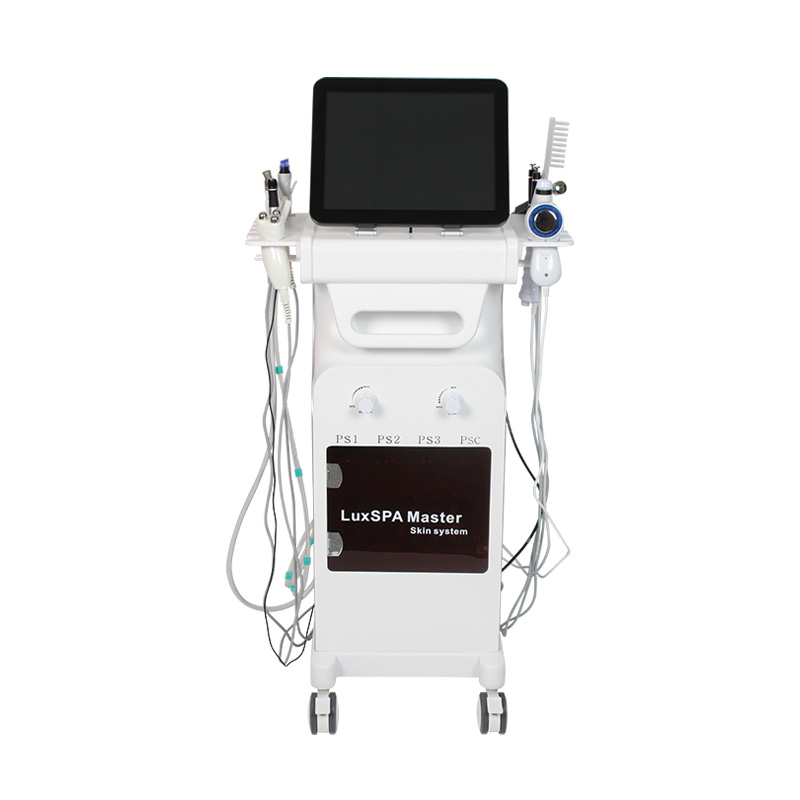
12-in-1 Skin Management Workstation
CCB-281
Multifunction facial-care workstation. Evaluate documented handpieces separately; it is not established as an equivalent LED or RF-microneedling system.
View product
Do not confuse input power with optical output
A machine’s electrical power rating describes its electrical demand. It does not, by itself, specify the light reaching the skin. Ask the technical reviewer to identify the units, measuring conditions and treatment geometry behind any optical figures in the quotation. If the information is absent, leave the comparison unresolved rather than deriving a dose from the power rating.
Purchase a manageable service
Add cleaning instructions, replaceable contact parts, storage, training and repair turnaround to the enquiry. Check how the light component is serviced: a fault in one module may affect the availability of an entire workstation. Allocate staff time for suitability review and follow-up, and avoid promising a fixed result or a universal treatment schedule.
Use a conditional purchasing decision
A quotation is ready for approval when the intended use is documented, relevant technical questions are answered and the clinical lead accepts the proposed workflow. If only the additional facial-care modules are adequately documented, evaluate those separately. Do not approve an unverified light-treatment claim simply because the overall package appears economical.
Related articles