Surgical Equipment from China: Quality, Compliance, and What to Expect
Surgical Equipment from China: Quality, Compliance, and What to Expect
The Reality of Chinese Surgical Equipment Manufacturing

China has quietly become the world's second-largest medical device market, supplying surgical equipment to operating rooms across six continents. Yet misconceptions about quality, compliance, and reliability still follow Chinese manufacturers—even as the evidence points in a different direction.
Chinese medical device exports exceeded $20 billion in 2023, with surgical equipment representing a significant portion of that growth. Companies like Mindray, Edan, and Sonoscape now compete directly with established Western brands, often delivering comparable quality at significantly lower prices.
Procurement teams evaluating suppliers should look beyond simple cost comparisons. The real opportunity lies in accessing genuine innovation, maximizing budget efficiency, and ensuring patient safety through thorough supplier vetting.
Understanding China's Surgical Equipment Manufacturing Ecosystem
Major Manufacturing Hubs
China's surgical equipment industry is concentrated in three main regions, each with its own specialization.
Shenzhen and Guangdong Province are home to most of the country's high-tech surgical device manufacturers. Mindray Medical alone has invested billions in R&D here, producing surgical monitors, anesthesia systems, and advanced OR imaging equipment.
Shanghai and the Yangtze River Delta focus on precision surgical instruments and minimally invasive tools, supported by strong research institutions and well-developed supply chains for medical-grade materials.
Beijing and Northern China lean toward larger-scale equipment—operating tables, surgical lighting systems, and integrated OR solutions.
Related products
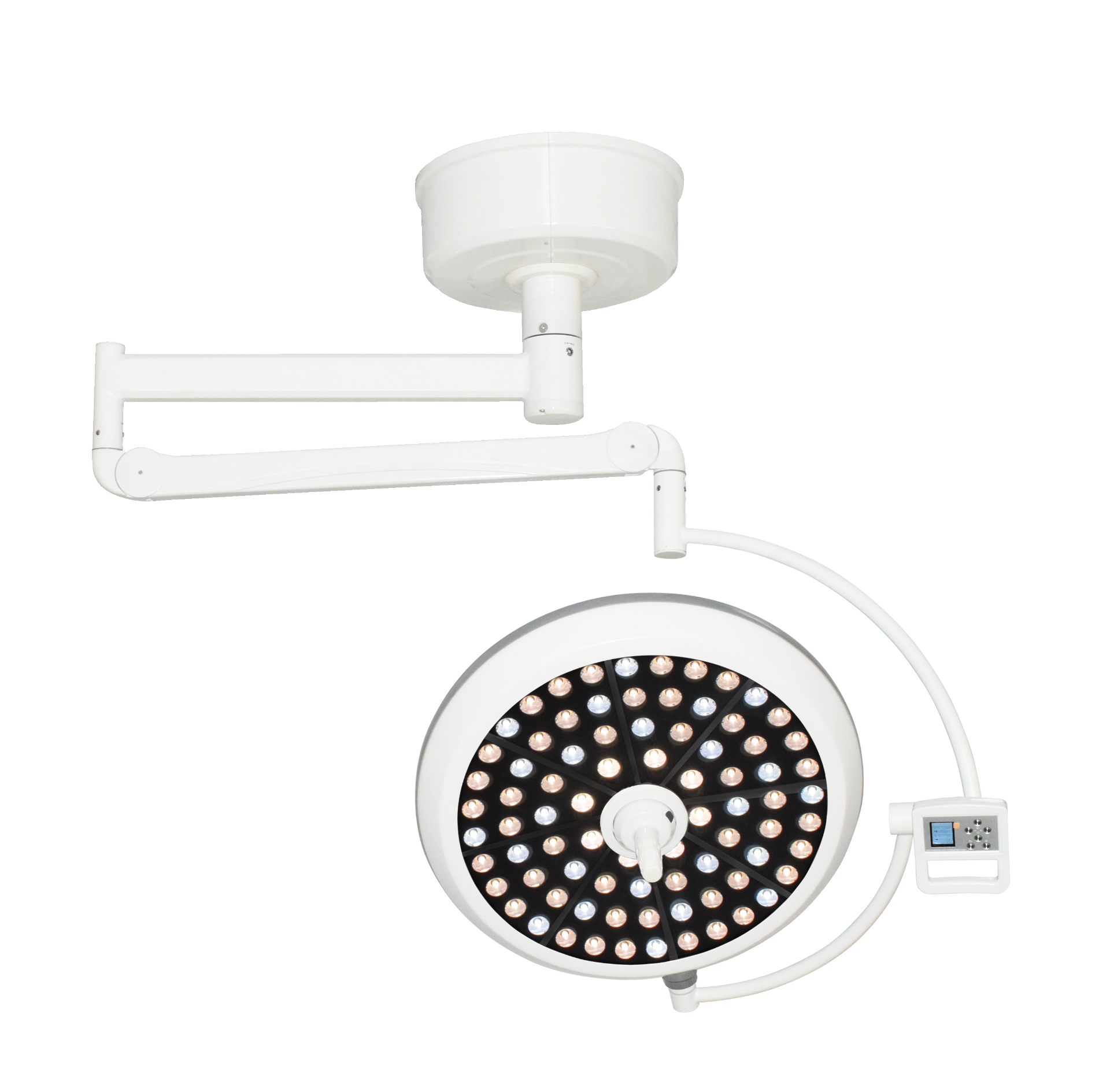
LED Ceiling-Mounted Surgical Light
SKU: CC24042903
Compare mounting arrangements, lighting configuration and installation requirements.
View product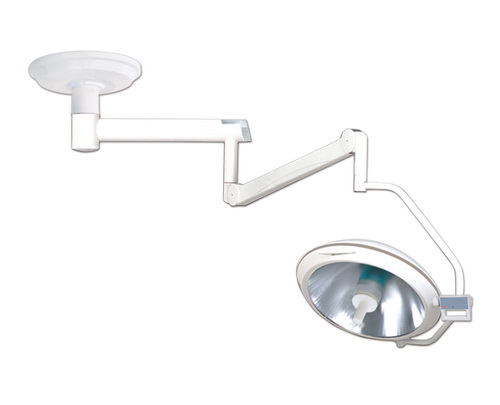
Shadowless Surgical Light
SKU: CCS-500-III3
Compare mounting arrangements, lighting configuration and installation requirements.
View product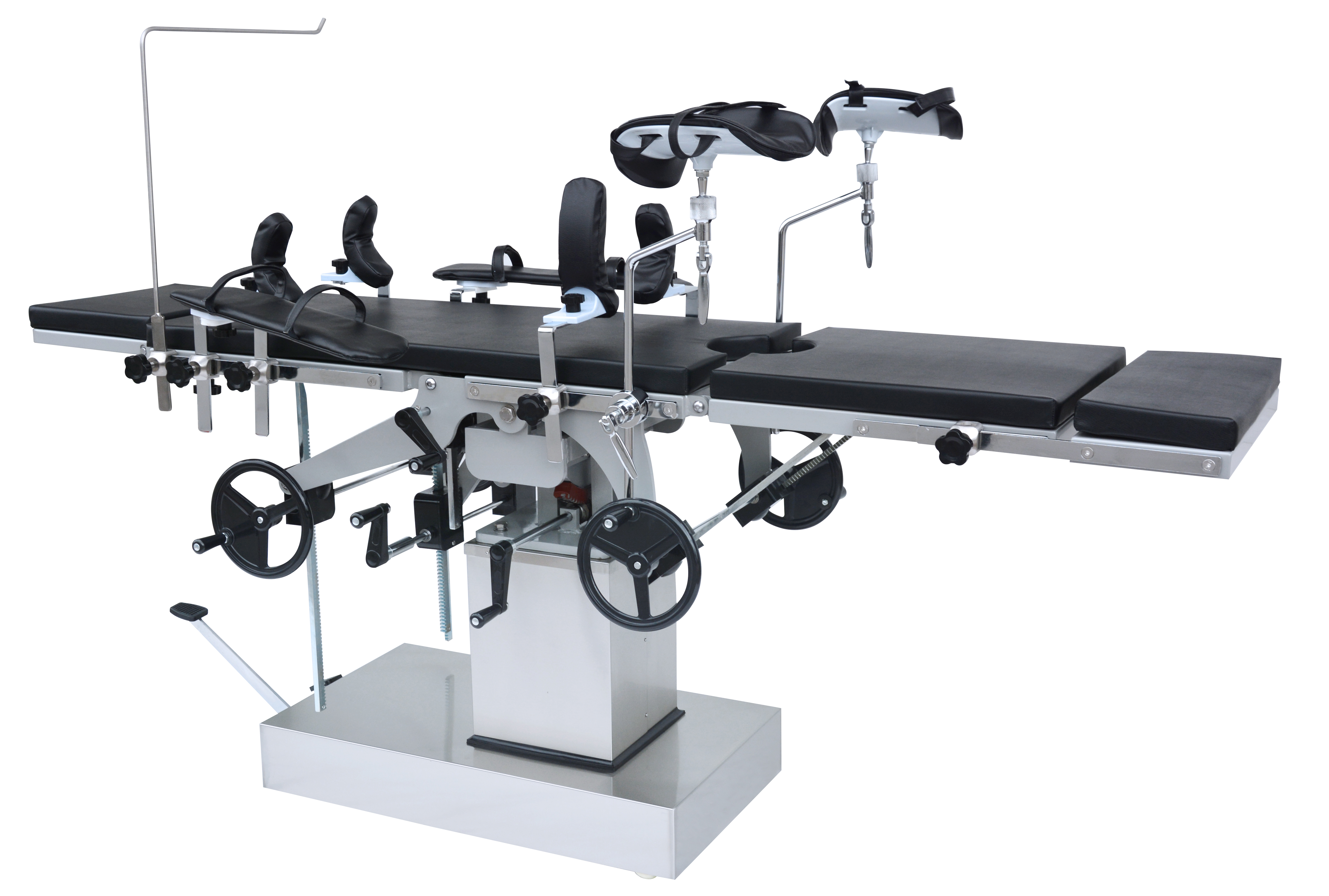
Manually operated multi-functional operating table (foot-operated hydraulic / stainless steel)
SKU: CCOTYFS3001
Compare positioning options, load requirements and installation needs.
View product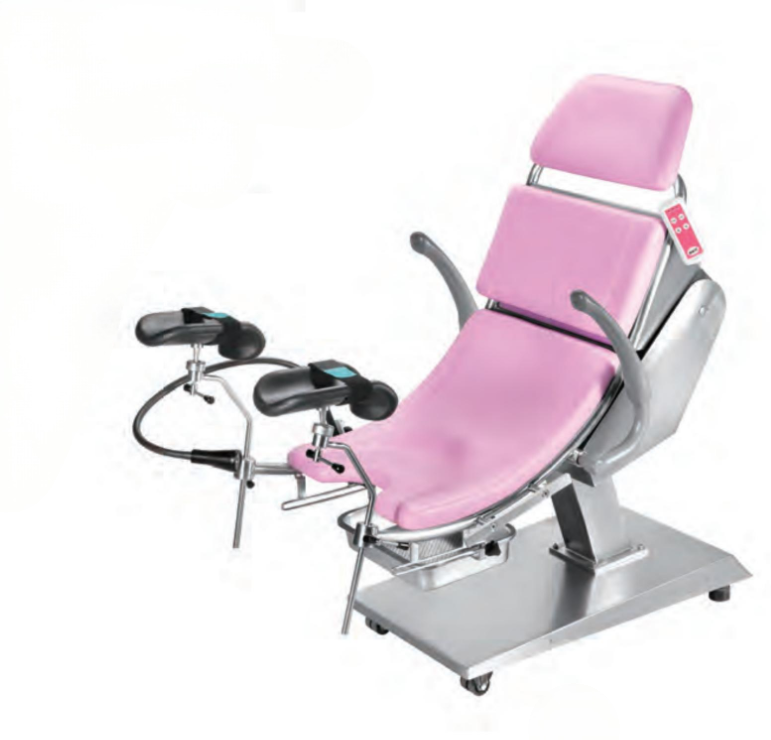
Electric obstetrics and gynecology examination operating table-upgraded model
SKU: CCO-204-2R
Compare positioning options, load requirements and installation needs.
View product
Key Chinese Surgical Equipment Manufacturers
A number of Chinese manufacturers have built genuine international reputations:
- Mindray Medical produces anesthesia machines, surgical monitors, and OR integration systems used in over 190 countries
- Edan Instruments specializes in patient monitoring and surgical equipment across multiple clinical departments
- Sonoscape Medical manufactures ultrasound and imaging systems for surgical applications
- Lepu Medical focuses on cardiovascular surgical devices and interventional equipment
These companies have invested seriously in quality infrastructure, with many holding ISO 13485 certification and FDA clearances across their surgical equipment lines.
Quality Standards and Certifications
International Compliance Framework
Chinese surgical equipment manufacturers targeting global markets must meet different regulatory requirements depending on where they sell.
CE Marking for Europe requires compliance with Medical Device Regulation (MDR) 2017/745, covering safety and performance standards for surgical instruments and equipment.
FDA Registration for the United States typically involves 510(k) clearance, which requires demonstrating substantial equivalence to a predicate device.
ISO 13485 Quality Management underpins the entire manufacturing process—covering design controls, risk management, and post-market surveillance.
Manufacturing Quality Controls
Reputable Chinese surgical equipment manufacturers run thorough quality management systems throughout production:
Incoming Material Inspection verifies that surgical-grade stainless steel, titanium, and other materials meet biocompatibility and durability specifications before they enter the production line.
In-Process Controls include dimensional checks, surface finish inspection, and functional testing at multiple stages.
Sterilization Validation confirms instruments maintain their performance integrity through repeated sterilization cycles.
Biocompatibility Testing verifies that patient-contact materials meet ISO 10993 standards for biological evaluation.
Categories of Chinese Surgical Equipment

Surgical Instruments and Tools
Chinese manufacturers produce surgical instruments across numerous specialties.
General Surgery Instruments — forceps, scissors, retractors, and clamps — are manufactured to precise tolerances using medical-grade stainless steel.
Minimally Invasive Surgery Tools include laparoscopic instruments, endoscopic equipment, and robotic surgery accessories designed for precision procedures.
Specialty Instruments span neurosurgery, cardiovascular, orthopedic, and ophthalmic applications, each requiring specific materials and manufacturing processes.
Operating Room Equipment
Surgical Tables and Positioning Systems offer advanced positioning with integrated imaging compatibility and patient safety features.
Surgical Lighting Systems deliver shadow-free LED illumination, often with integrated HD cameras and workflow connectivity.
Anesthesia Machines and Monitoring Equipment provide precise gas delivery and comprehensive patient monitoring throughout procedures.
Integrated OR Solutions
Many Chinese manufacturers now offer complete operating room packages, including laminar flow systems, surgical booms and pendants, OR integration platforms, and full turnkey installation services. For hospitals planning new builds or major renovations, this kind of end-to-end capability can simplify procurement considerably.
Evaluating Chinese Surgical Equipment Suppliers
Due Diligence Framework
Manufacturing Facility Audits should confirm clean room environments, quality system implementation, and GMP compliance.
Regulatory Documentation Review needs to cover certifications, clinical data, and post-market surveillance records relevant to your target market.
Reference Customer Verification means actually contacting existing users—not just reviewing testimonials—to understand real-world performance, service quality, and long-term reliability.
Quality Assessment Criteria
Material Specifications require documented verification of surgical-grade materials, surface treatments, and biocompatibility.
Performance Testing Results should demonstrate compliance with applicable ASTM, ISO, or IEC standards.
Service and Support Capabilities should include technical training programs, reliable spare parts supply, and responsive local service networks.
Supply Chain Considerations
Lead Times and Capacity matter most for large hospital installations or urgent replacement needs.
Logistics and Shipping require careful attention—proper packaging, accurate documentation, and cold chain management when necessary.
After-Sales Support includes installation, user training, maintenance programs, and ongoing technical assistance.
Regulatory Compliance and Documentation
Essential Documentation Package
Procurement teams sourcing surgical equipment from China should expect and request a complete documentation package:
- Certificate of Conformity confirming the equipment meets applicable standards for your market
- Quality Management System Certificates such as ISO 13485
- Clinical Evaluation Reports providing evidence of safety and performance
- Risk Management Files documenting hazard analysis per ISO 14971
Market-Specific Requirements
European Union requires Technical Documentation Files, an Authorized Representative, and EUDAMED registration.
United States mandates FDA establishment registration, device listing, and either 510(k) clearance or PMA approval based on device classification.
Other Markets typically require local agent appointment, product registration, and compliance with national standards.
Cost Considerations and Value Proposition
Pricing Structure
Chinese surgical equipment generally offers 30–60% cost savings compared to Western alternatives, though pricing varies based on several factors:
Technology Complexity drives manufacturing costs—advanced imaging systems carry higher price tags than basic surgical instruments.
Order Volume affects unit pricing, with larger purchases usually securing better discounts and customization options.
Certification Requirements add costs through regulatory compliance, clinical testing, and documentation preparation.
Total Cost of Ownership
The initial purchase price tells only part of the financial story. Smart buyers consider installation and training costs, ongoing maintenance and service expenses, spare parts availability, and long-term upgrade paths. Organizations that focus solely on upfront costs often encounter unexpected expenses later.
Managing Risks and Ensuring Success
Quality Assurance Strategies
Pre-Shipment Inspection by a third-party quality assurance firm confirms equipment meets specifications before factory departure.
Pilot Programs let you test performance under real conditions before committing to larger orders.
Phased Implementation reduces risk by gradually introducing Chinese surgical equipment alongside existing systems.
Relationship Management
Direct Manufacturer Relationships typically provide better pricing, stronger technical support, and greater flexibility than distributor arrangements.
Long-Term Partnerships open opportunities for collaborative development, priority support, and improved terms on future purchases.
Clear Communication Protocols should be established early—covering technical support channels, quality issue escalation, and project coordination.
Future Trends in Chinese Surgical Equipment
Technological Innovation
Chinese manufacturers are pushing hard into next-generation surgical technology.
AI Integration improves surgical precision through image analysis, predictive analytics, and automated system adjustments.
Robotic Surgery Systems represent a major focus area, with several Chinese companies developing competitive alternatives to established platforms.
Digital OR Solutions connect surgical equipment through IoT platforms, enabling data analytics and workflow optimization across operating rooms.
Market Evolution
Regulatory Harmonization makes compliance easier as Chinese manufacturers align with international standards and mutual recognition frameworks expand.
Global Service Networks keep expanding, with more manufacturers providing remote monitoring, on-site support, and comprehensive maintenance programs outside China.
Sustainability Initiatives are gaining traction as manufacturers address environmental impact through eco-friendly production, recyclable materials, and energy-efficient equipment design.
Is Chinese Surgical Equipment Right for Your Organization?
Sourcing surgical equipment from China requires more than price comparisons. Successful organizations share common traits: thorough supplier evaluation processes, realistic budget planning that includes training and support, and realistic expectations about service response times compared to local suppliers.
Chinese surgical equipment manufacturers have proven they can meet international quality standards while delivering genuine cost advantages. Success hinges on thorough preparation—comprehensive due diligence, careful supplier selection, and a well-planned implementation strategy.
For healthcare organizations seeking to maximize their surgical equipment budgets without compromising quality, Chinese manufacturers warrant serious evaluation. The convergence of rising standards, competitive pricing, and expanding global support capabilities has fundamentally shifted what's achievable.
Ready to explore surgical equipment from leading Chinese manufacturers? Visit chinacaremedical.com to learn more about solutions for your operating room.
Related articles