Rehabilitation Equipment from China: Physiotherapy Devices, Wheelchairs, and More
Rehabilitation Equipment from China: Physiotherapy Devices, Wheelchairs, and More
The global rehabilitation equipment market hit $14.2 billion in 2023, and healthcare systems everywhere are spending more on patient recovery and mobility solutions. That growth puts real pressure on hospitals and rehabilitation centers to source quality equipment without blowing their budgets.
China has become a serious force in this market. Chinese manufacturers now produce hospital-grade rehabilitation equipment—from computerized physiotherapy devices to basic mobility aids—that meets international quality standards at a fraction of what Western alternatives cost. Companies like Mindray and Edan, alongside a growing number of specialized rehabilitation equipment producers, have built the scale and technical capability to make that possible.
This guide covers what healthcare facilities need to know about sourcing rehabilitation equipment from China: the key product categories, what quality standards actually mean in practice, and how to approach procurement if your team is looking to expand or upgrade your rehabilitation capabilities.
China's Rise in Rehabilitation Equipment Manufacturing

Related products
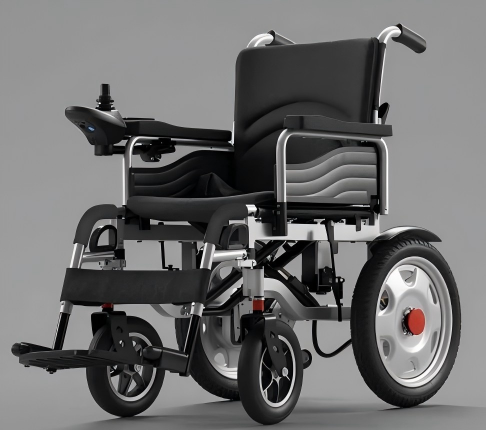
Electric Wheelchair
SKU: C260527-1A
Compare mobility needs, dimensions and handling requirements before ordering.
View product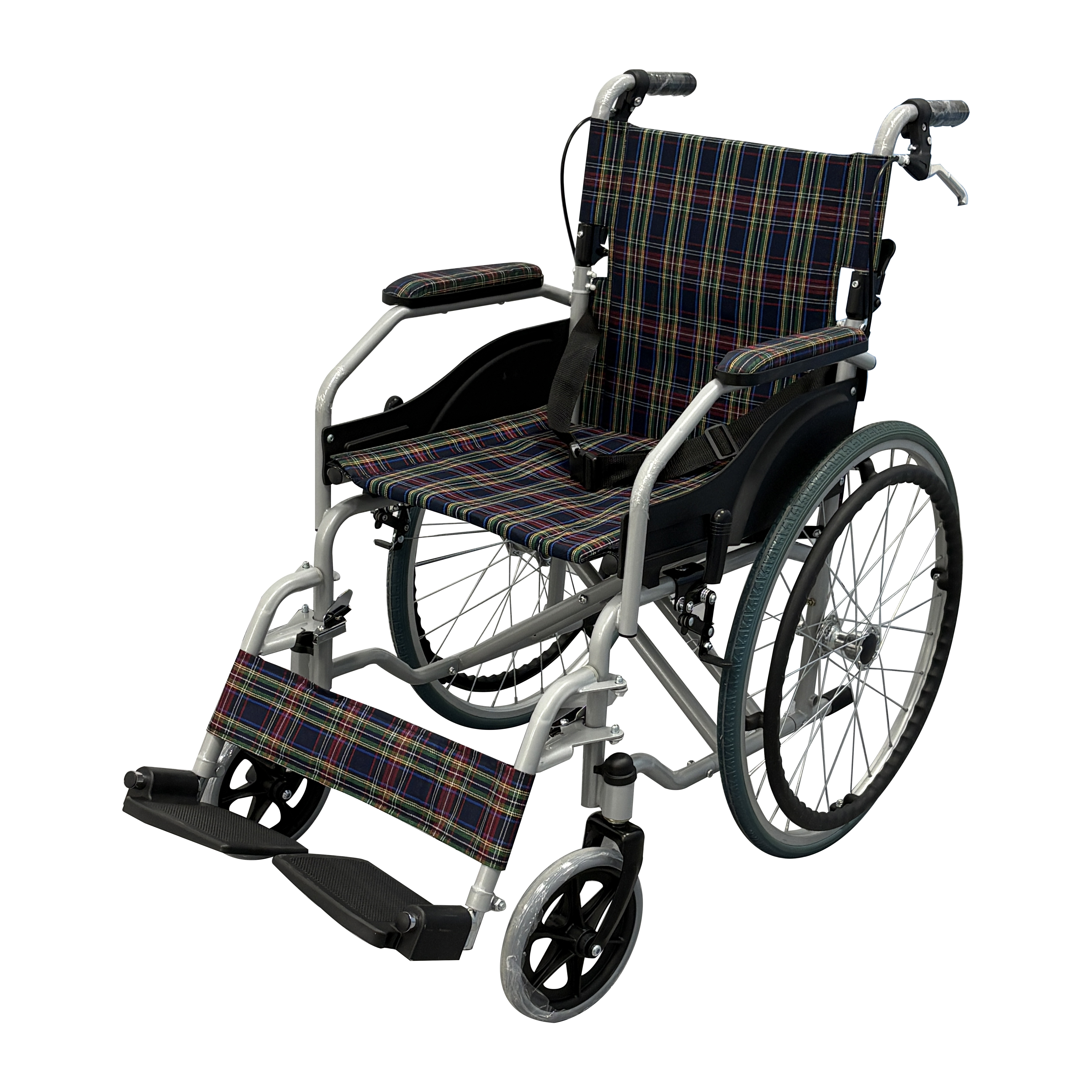
Foldable Wheelchair
SKU: C260430010
Compare mobility needs, dimensions and handling requirements before ordering.
View product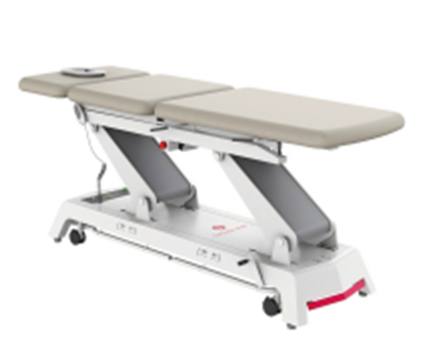
Physiotherapy and rehabilitation use 3 Sections Treatment Table
SKU: CCRF31
Review the treatment configuration and suitability for the rehabilitation service.
View product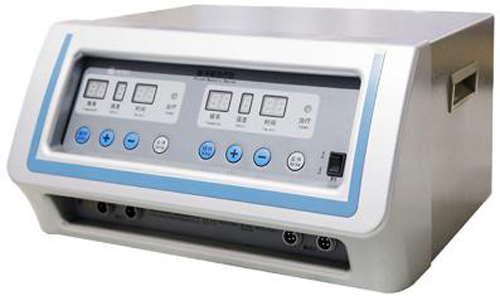
PEMF Pulse Magnetic Therapy Machine for Physiotherapy and Pain Relief
SKU: CCRCC2
Review the treatment configuration and suitability for the rehabilitation service.
View product
China's medical device sector looks very different today than it did ten years ago. What began with basic medical supplies has developed into sophisticated rehabilitation technologies that hold their own against established European and American brands—on engineering merit and clinical performance, not just on price.
Chinese manufacturers now cover the full spectrum of rehabilitation equipment, from computerized gait training systems to wheelchairs engineered for specific patient conditions, and everything in between. They handle both high-volume standard products and custom solutions for facilities with particular clinical requirements. The practical advantages are hard to ignore: lower costs, faster lead times, and a manufacturing base that's increasingly driving its own product innovation rather than simply replicating existing designs. Many Chinese manufacturers have also earned FDA, CE, and ISO certifications, confirming their products meet international safety and performance benchmarks.
Essential Physiotherapy Equipment Categories
Electrotherapy and Stimulation Devices
Chinese manufacturers have mastered electrotherapy equipment for pain management, muscle stimulation, and tissue healing:
Interferential Current (IFC) machines deliver precise electrical stimulation for pain relief and better circulation. Chinese-made IFC units typically offer multiple channels, preset programs, and digital displays at 40-60% less than European models.
Ultrasound therapy units handle deep tissue treatment and reduce inflammation. Chinese manufacturers produce both portable and clinical-grade devices that perform comparably to established brands.
TENS units come in clinical and home-use versions. Chinese suppliers excel at customization, letting healthcare facilities specify exact parameters or add their own branding.
Exercise and Mobility Training Equipment
Physical rehabilitation demands a wide range of equipment to match different patient needs and recovery stages. Chinese manufacturers have built out full product lines to cover them:
Parallel bars and gait training systems are workhorses of walking rehabilitation. Chinese versions typically include adjustable heights, folding mechanisms, and integrated safety features—and they tend to come in well below the price of comparable Western models.
Exercise bikes and upper body ergometers are built with rehabilitation in mind rather than general fitness. Most Chinese units come with low starting resistance, patient transfer considerations, and built-in progress tracking as standard.
Balance training equipment runs the gamut from basic wobble boards and balance pads to sophisticated computerized assessment platforms. Chinese manufacturers have moved well past entry-level offerings here, with many systems now featuring real-time feedback and progress monitoring as core functionality.
Hydrotherapy Equipment
Water-based rehabilitation proves highly effective for various conditions, and Chinese manufacturers supply complete hydrotherapy solutions:
Therapeutic pools and underwater treadmills enable controlled aquatic exercise. Chinese suppliers can handle turnkey installations including filtration systems, temperature control, and accessibility features.
Whirlpool baths and contrast therapy units target localized treatment of injuries and chronic conditions. These systems often include programmable temperature controls and timer functions.
Mobility Aids and Assistive Devices
Wheelchair Manufacturing Excellence
China leads global wheelchair manufacturing, producing everything from basic manual wheelchairs to sophisticated power mobility devices.
Manual wheelchairs from Chinese manufacturers deliver excellent value without compromising quality. Options include lightweight aluminum frames, quick-release wheels, and customizable seating systems. Many Chinese wheelchair manufacturers accommodate specific sizing requirements and color preferences.
Power wheelchairs and scooters show where Chinese manufacturers compete directly with established brands. Programmable controllers, multiple drive configurations, and modular designs simplify maintenance and upgrades over time.
Specialized wheelchairs serve specific populations—pediatric users, athletes, bariatric patients. Chinese manufacturers excel in this area because many can handle true customization, allowing healthcare facilities to specify exact requirements instead of adapting to standard products.
Walking Aids and Transfer Equipment
Walking frames and rollators from China are practical and affordable without feeling cheap. Most Chinese-made rollators today come with height adjustment, solid braking systems, and integrated seating included as standard—not as add-ons.
Patient transfer equipment covers mechanical and electric patient lifts, transfer boards, and repositioning aids. Chinese manufacturers offer well-rounded solutions for safe patient handling that also help reduce the physical strain on caregiving staff.
Crutches and walking sticks are available in a range of materials and configurations, and Chinese suppliers frequently offer bulk pricing that makes sense for healthcare facilities ordering in larger quantities.
Advanced Rehabilitation Technologies

Robotic Rehabilitation Systems
Chinese manufacturers are increasingly competitive in high-tech rehabilitation equipment:
Robotic gait trainers provide supported walking practice for patients with mobility impairments. On functionality, Chinese-made systems often sit comfortably alongside established international brands—at a noticeably lower price point.
Upper limb rehabilitation robots are used widely in stroke recovery and neurological rehabilitation. These systems provide repetitive, task-specific training with adjustable assistance levels that adapt as patients improve.
Exoskeleton devices are still an emerging category, but it's one Chinese manufacturers are taking seriously. Investment in this space is growing, and the devices coming out of China are becoming more sophisticated as the technology matures.
Computerized Assessment Systems
Isokinetic testing equipment gives clinicians objective data on patient strength and how rehabilitation is progressing. Chinese manufacturers have developed systems with capable software packages that hold up well against more established brands—often at a meaningful cost advantage.
Posture analysis systems use camera-based technology to assess and monitor patient alignment and movement patterns.
Quality Standards and Certifications
Understanding quality standards becomes essential when sourcing rehabilitation equipment from China.
ISO 13485 certification ensures manufacturers maintain quality management systems specific to medical devices. Most reputable Chinese rehabilitation equipment manufacturers hold this certification.
FDA 510(k) clearance allows Chinese-made devices to enter the U.S. market. Many established Chinese manufacturers have obtained FDA clearance for their rehabilitation equipment lines.
CE marking indicates compliance with European Union safety and performance requirements. This certification is essential for facilities operating under European regulations or seeking internationally recognized quality standards.
Clinical evidence and testing vary among Chinese manufacturers. Leading companies invest in clinical studies to demonstrate their equipment's effectiveness and safety profiles.
Sourcing Strategies and Procurement Considerations
Manufacturer Evaluation
Successful procurement requires thorough evaluation of potential Chinese suppliers:
Manufacturing capabilities include production capacity, quality control processes, and customization abilities. Visiting facilities or arranging third-party audits reveals manufacturer capabilities and quality standards. Equipment complexity often requires specialized knowledge, making manufacturer support crucial. Top Chinese manufacturers offer extensive training programs and ongoing technical assistance. Service networks differ widely among Chinese suppliers. Define warranty coverage, repair services, and parts availability expectations upfront.
Cost-Benefit Analysis
Chinese rehabilitation equipment usually provides substantial cost savings, but thorough evaluation should consider:
Total ownership costs include purchase price, installation, training, and ongoing maintenance expenses. Performance against established brands ensures Chinese alternatives meet clinical needs and patient safety requirements. Reliability over time depends on manufacturer history and feedback from similar healthcare facilities.
Installation and Implementation
Turnkey Project Capabilities
Many Chinese rehabilitation equipment suppliers offer complete project management services:
Design and planning assistance for rehabilitation departments or dedicated therapy spaces. Experienced suppliers can optimize equipment layout for workflow efficiency and patient safety.
Installation and commissioning services ensure proper equipment setup and initial calibration. Beyond the physical setup, this should include proper staff handover and documentation so teams aren't left figuring things out on their own.
Regulatory compliance support helps facilities work through local medical device regulations and safety requirements—something that's easy to underestimate until it becomes a problem.
Staff Training and Support
Training programs are what separate a smooth equipment rollout from a frustrating one. The better Chinese manufacturers offer both on-site and remote training, so staff can get up to speed in whatever format works for the facility.
Technical support is typically handled through dedicated service teams or local representatives. Before committing to a supplier, it's worth pinning down exactly how support requests are handled and what response times look like in practice.
Documentation and resources—user manuals, maintenance guides, troubleshooting materials—should be available in the languages your staff actually use. It sounds basic, but it's worth confirming early.
Future Trends and Innovations
The Chinese rehabilitation equipment industry continues evolving with emerging technologies:
Artificial intelligence integration in rehabilitation devices creates personalized therapy programs and progress prediction.
Telehealth capabilities enable remote monitoring and guidance for home-based rehabilitation programs.
Modular and adaptable designs allow equipment to serve multiple functions or accommodate different patient populations.
Sustainability initiatives include eco-friendly materials and energy-efficient designs as healthcare facilities prioritize environmental responsibility.
Making the Right Choice for Your Facility
Sourcing rehabilitation equipment from China comes down to more than price. The facilities that get lasting value from it find suppliers who can stand behind their products with verified certifications, consistent manufacturing quality, and after-sales support that actually shows up when something goes wrong. Get those three things right, and the cost advantages become genuinely compelling.
The facilities that tend to get the best results start with smaller pilot orders, build relationships with a shortlist of reliable suppliers, and are upfront about their expectations from the start. It takes a bit more effort early on, but it's what separates a procurement strategy that holds up from one that creates problems down the line.
When you're ready to start evaluating options, chinacaremedical.com helps healthcare facilities connect with verified Chinese suppliers and access detailed product specifications across all rehabilitation equipment categories.
Related articles