Advanced Medical Device Laboratory Testing: Ensuring Safety and Efficacy in Medical Device Labs
Introduction to Medical Device Laboratory Testing
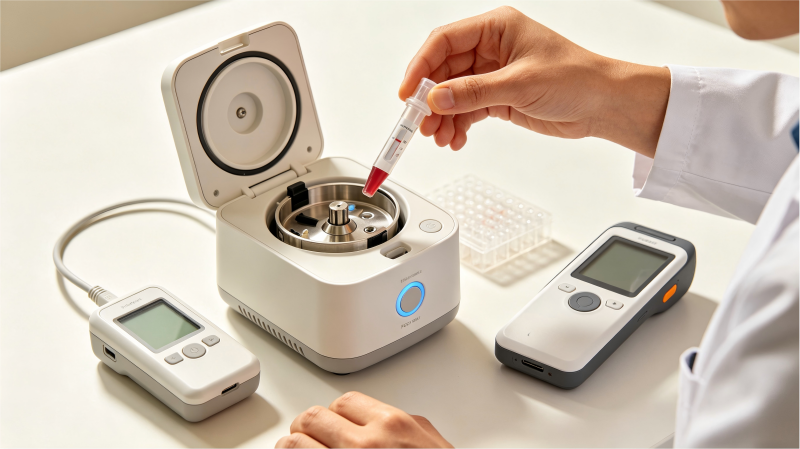
Medical device laboratory testing is a cornerstone of the healthcare industry, ensuring that devices are safe, effective, and compliant with regulatory standards. In medical device labs, rigorous testing protocols are applied to everything from surgical instruments to diagnostic equipment. This article delves into the importance of laboratory testing for medical devices, the types of tests performed, and how these processes safeguard patient health.

Why Medical Device Laboratory Testing Matters
The primary goal of medical device laboratory testing is to validate that devices perform as intended without posing risks to users or patients. Medical device labs conduct a variety of assessments, including biocompatibility tests, sterilization validation, and electrical safety checks. According to the FDA medical device guidance, these tests are essential for market approval. By adhering to international standards like ISO 13485, manufacturers can ensure consistent quality. For more insights, visit Chinacare Medical, a leading provider of medical device solutions.
Key Testing Methods in Medical Device Labs
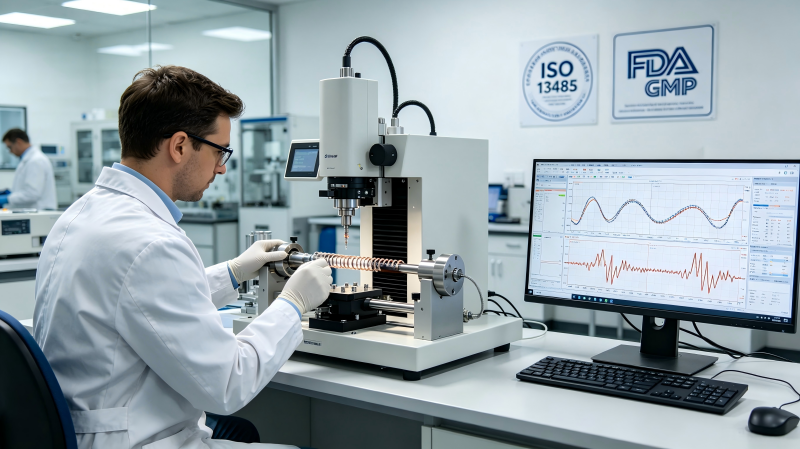
In a typical medical device lab, testing methods vary based on device classification. Mechanical testing evaluates durability, while chemical analysis checks for material safety. For instance, tensile strength tests are common for implantable devices. Biological evaluation, such as cytotoxicity tests, ensures that materials do not harm living cells. These processes are part of comprehensive medical device laboratory testing protocols that comply with ISO 10993. Additionally, accelerated aging tests simulate long-term use to predict device lifespan. The integration of AI in medical device labs is revolutionizing data analysis, making testing faster and more accurate.
Regulatory Compliance and Standards
Medical device laboratory testing must meet stringent regulatory requirements. In the US, the FDA mandates Good Manufacturing Practices (GMP), while in Europe, the Medical Device Regulation (MDR) applies. Medical device labs often seek accreditation from bodies like A2LA or UKAS to demonstrate competence. Key standards include ISO 14971 for risk management and IEC 60601 for electrical safety. By partnering with a reputable lab, manufacturers can navigate these complexities. For example, Chinacare Medical offers comprehensive testing services that align with global standards, ensuring devices are ready for market.
Future Trends in Medical Device Laboratory Testing
The future of medical device laboratory testing is shaped by technological advancements. Automation and robotics are increasing efficiency in medical device labs, reducing human error. Digital twins and simulation software allow virtual testing, cutting costs and time. Moreover, personalized medicine demands tailored testing for patient-specific devices. As the industry evolves, labs must adapt to new materials like bioresorbable polymers. Continuous education and investment in cutting-edge equipment will be crucial. To stay updated, explore resources from the Association for the Advancement of Medical Instrumentation.
Conclusion
Medical device laboratory testing is vital for innovation and patient safety. By understanding the role of medical device labs and embracing best practices, manufacturers can deliver high-quality devices. Whether you are a startup or an established company, prioritizing testing is non-negotiable. For expert guidance and services, consider Chinacare Medical as your partner in excellence.
Related articles