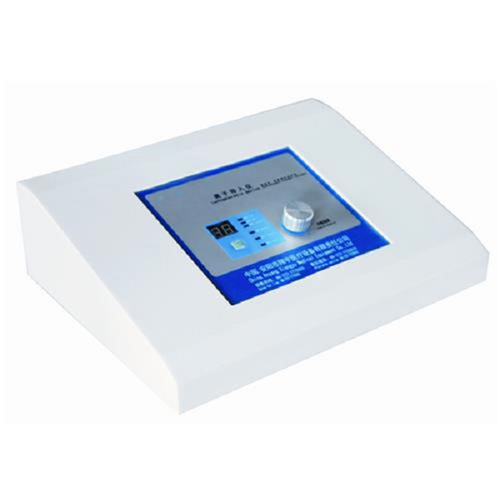
Product info
- Product name:Medical Iontophoresis Device – Physiotherapy Electrical Drug Delivery & Rehabilitation System
- Product code:CCRDR1
Packaging Specifications
- Outer Packaging Size:0 × 0 × 0 m
- Gross Weight:0 kg
- Net Weight:0 kg
- Volume:0
Description
⚡ Medical Iontophoresis Device
The iontophoresis device is a professional physical therapy and rehabilitation system that uses a low-intensity electrical current to deliver ionized medications through the skin into targeted tissues.
It is widely used in hospitals, rehabilitation centers, dermatology clinics, and sports medicine departments for localized treatment of pain, inflammation, and certain skin conditions.
🧠 What is Iontophoresis?
Iontophoresis is a non-invasive transdermal drug delivery technique that uses electrical current to drive charged drug molecules through the skin barrier.
This allows medication to penetrate deeper into tissues without injections, improving local treatment effectiveness.
⭐ Key Advantages
⚡ Non-Invasive Drug Delivery
Delivers medication through the skin using electrical current, avoiding needles and injections.
🧠 Targeted Local Treatment
Medication is delivered directly to affected areas, improving therapeutic efficiency and reducing systemic side effects.
🔬 Adjustable Electrical Output
Allows clinicians to adjust current intensity based on treatment type, patient sensitivity, and therapeutic goals.
💡 Wide Clinical Application
Can be used with different ionized medications depending on treatment needs.
🏥 Safe & Controlled Therapy
Low-intensity current ensures controlled delivery with minimal discomfort (typically mild tingling sensation only).
🏥 Clinical Applications
The iontophoresis device is widely used in:
🧑⚕️ Physical Therapy & Rehabilitation
Tendonitis
Bursitis
Muscle inflammation
Joint pain
Soft tissue injuries
🧴 Dermatology Applications
Hyperhidrosis (excessive sweating of hands/feet)
Local skin inflammation
Drug delivery for skin conditions
🧠 Pain Management
Chronic localized pain
Post-injury inflammation
Sports-related injuries
🏃 Sports Medicine
Muscle recovery
Injury rehabilitation
Swelling reduction
⚙️ Technical Overview
| Item | Specification |
|---|---|
| Technology | Electrical stimulation drug delivery |
| Output | Low-intensity direct current |
| Mode | Adjustable intensity control |
| Electrode System | Dual electrode drug delivery system |
| Treatment Type | Localized transdermal therapy |
| Operation | Timer + intensity control |
| Safety System | Current limit protection |
🧪 How It Works
The device works based on the principle of electromigration:
Medication is placed under electrode
Same-charge electrical current is applied
Charged drug molecules are repelled into skin
Medication penetrates deep into targeted tissue
This allows needle-free localized drug delivery.
🏥 Why Hospitals Use Iontophoresis
Compared with injections or oral medication, iontophoresis provides:
Non-invasive treatment
Localized drug delivery
Reduced systemic side effects
Faster rehabilitation response
Better patient compliance
It is commonly used in rehabilitation medicine and dermatology departments.
👨⚕️ Recommended Users
Hospital rehabilitation departments
Physical therapy clinics
Dermatology clinics
Sports medicine centers
Pain management clinics
Medical distributors
no comments