Medical Equipment Installation Planning 2026: Site Readiness Checklist for Hospitals Buying from China
Table of Contents
- Why installation planning matters before equipment ships
- Site readiness checklist for hospital projects
- A realistic installation timeline
- Commissioning and acceptance before handover
- Common mistakes that delay hospital openings
Buying equipment is only one part of a successful hospital project. For many hospitals, the biggest delays happen after the purchase order is signed, when the site is not ready for delivery, utilities are incomplete, or commissioning responsibilities are unclear. If your team is sourcing from China in 2026, installation planning should begin well before goods leave the factory.
This guide gives hospital administrators, project managers, and procurement teams a practical site-readiness checklist. It also shows where turnkey hospital setup planning, room-level design, and supplier coordination need to connect. If your team is comparing vendors, it also helps to review the supplier background and service capacity on the China Care Medical company page.
Why installation planning matters before equipment ships
Imported medical equipment often arrives on time but still cannot be installed immediately. The most common reasons are simple: door openings are too small, electrical capacity is not finalized, wall-mounted utility panels are unfinished, drainage points are missing, or local biomedical staff are not scheduled for acceptance testing. Every one of these issues creates storage cost, idle time, and risk to the opening schedule.
For hospitals buying from China, installation planning should align four workstreams at the same time: manufacturer drawings, construction progress, freight milestones, and user training. Procurement teams that manage these as one workflow usually reduce rework and shorten time-to-operation.
Site readiness checklist for hospital projects
Use the checklist below before shipment approval and again one week before arrival:
- Room dimensions and access: confirm clear door width, lift capacity, corridor turning radius, and equipment positioning space.
- Electrical readiness: verify voltage, phase, grounding, dedicated breakers, UPS requirements, and socket locations.
- Medical gas and utilities: confirm oxygen, vacuum, compressed air, water, drainage, and pressure stability where required.
- HVAC and environmental control: check airflow direction, temperature range, humidity, and dust control for sensitive devices.
- Floor loading and anchoring: validate structural load for heavy imaging, dialysis, sterilization, or OR systems.
- Network and IT: prepare IP allocation, HIS/PACS integration points, Wi-Fi restrictions, and data export requirements.
- Infection control and cleaning: make sure installation areas are clean, sealed, and released by the project team.
- Receiving and storage: assign a secure unloading zone, temporary storage room, and carton inspection process.

Related products
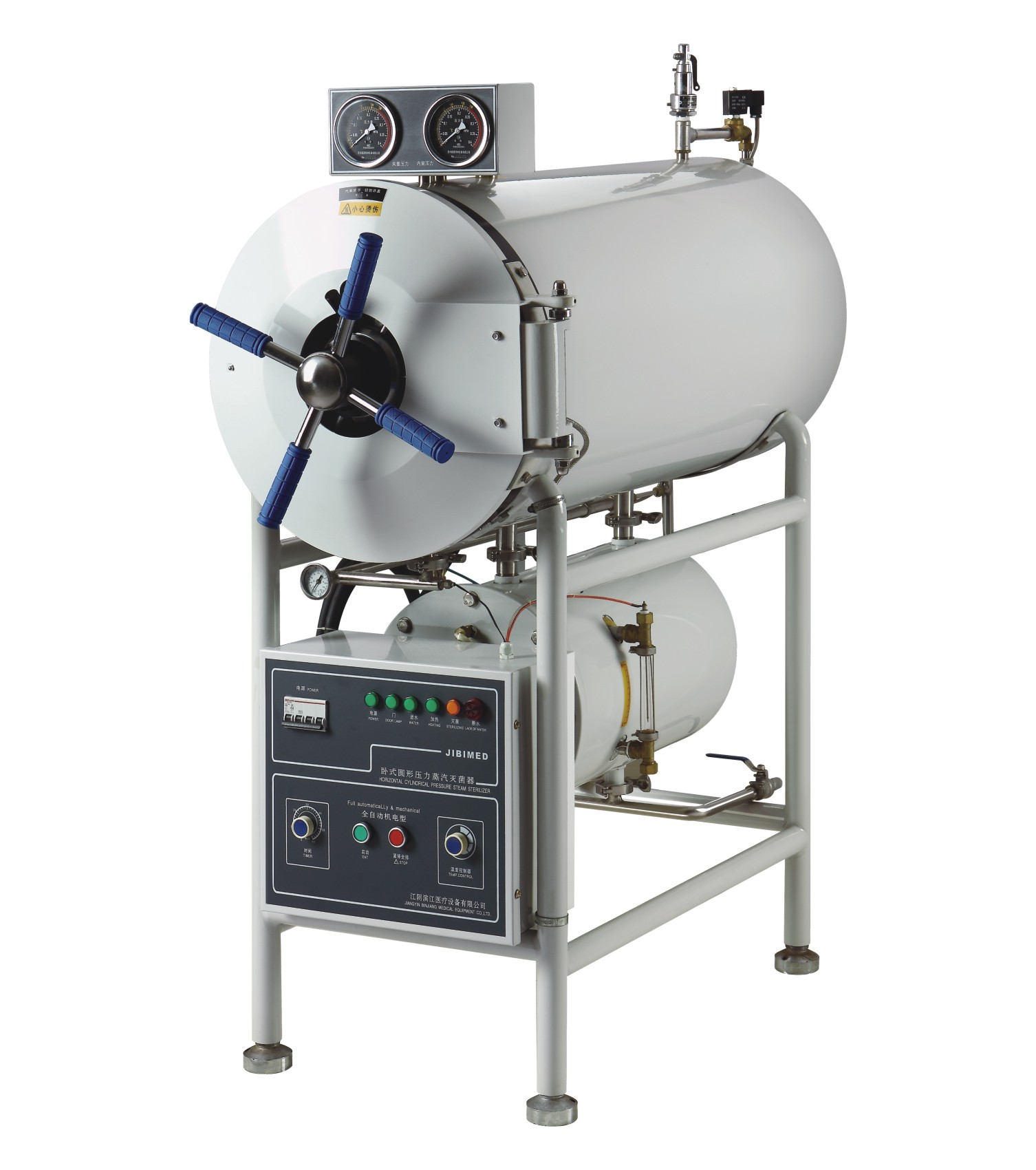
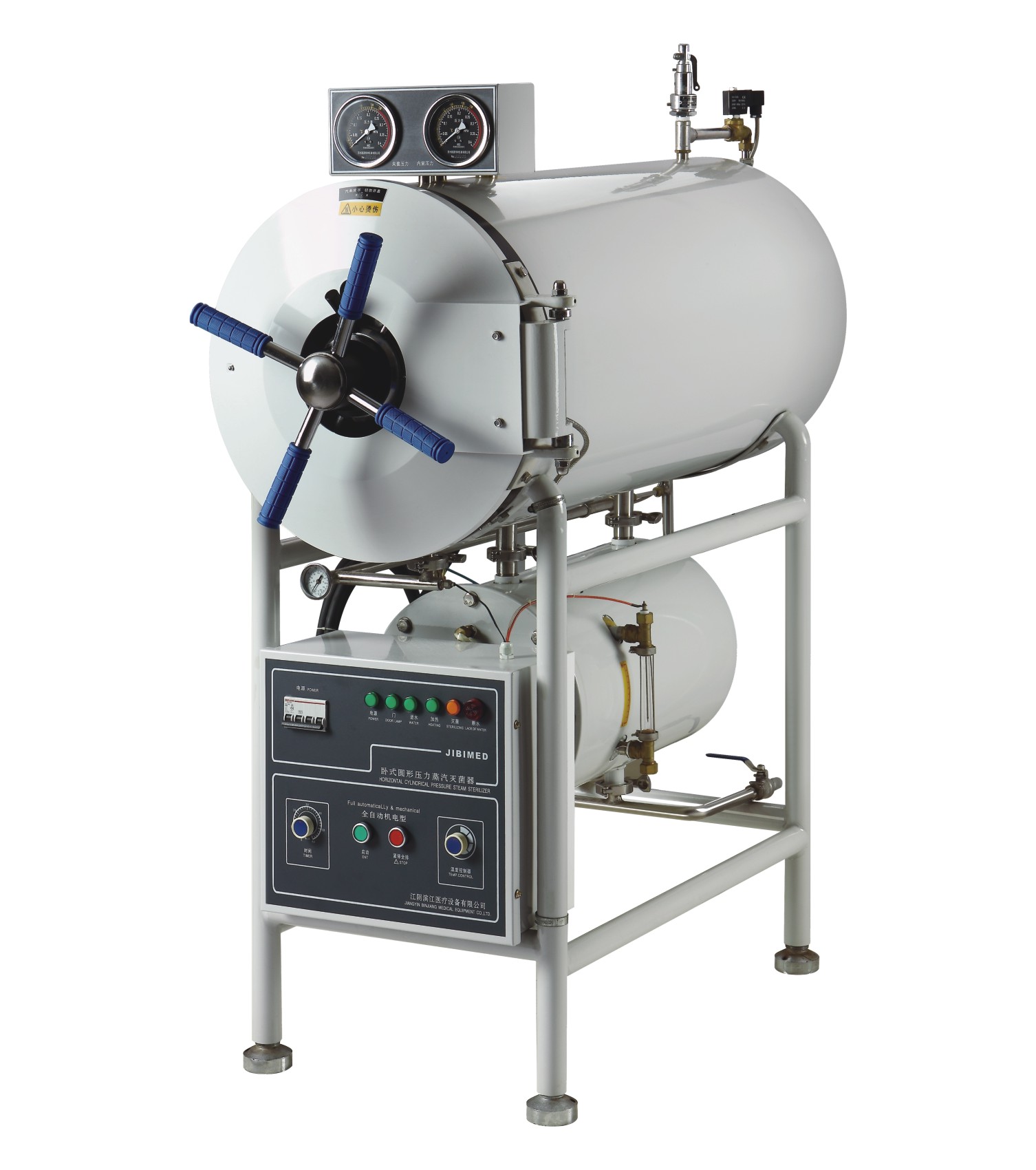
Ask the supplier to provide packing dimensions, utility schedules, installation drawings, and pre-installation conditions in one shared file set. This is especially important for OR, ICU, sterilization, and imaging projects where room sequencing matters. Teams working on operating room equipment planning should validate site utilities even earlier because late changes in wall pendants, gas outlets, and airflow can affect multiple contractors.
A realistic installation timeline
A practical hospital equipment installation plan usually follows this order:
- Four to six weeks before shipment: freeze room layout, confirm utilities, and review final shop drawings with supplier and contractor.
- Two weeks before shipment: confirm freight mode, packing list, customs documents, and onsite receiving contacts.
- One week before arrival: complete room cleaning, utility testing, and internal move route inspection.
- Arrival day: inspect packaging, record visible damage, and move equipment only through pre-approved paths.
- Installation window: connect utilities, perform calibration, test accessories, and document configuration settings.
- Post-installation: conduct operator training, preventive maintenance briefing, and spare-parts handover.
Hospitals that treat installation as a cross-functional milestone meeting rather than a supplier-only activity usually avoid the last-minute confusion between procurement, engineering, infection control, and end users.
Commissioning and acceptance before handover
Do not sign final acceptance based only on visual installation. The handover checklist should include powered function tests, alarm checks, accessory verification, consumable compatibility, calibration evidence, serial-number records, and user training completion. Biomedical engineering staff should sign off with the clinical department, not separately.

For imported systems, it is also useful to record the local service contact, warranty scope, recommended maintenance interval, and the exact list of documents delivered onsite. That package should include manuals, test records, installation reports, and a service escalation process.
Common mistakes that delay hospital openings
- Approving shipment before site utilities are verified in writing.
- Assuming construction drawings and supplier drawings are already aligned.
- Leaving receiving inspection to warehouse staff without engineering support.
- Skipping network and software checks until after physical installation.
- Completing installation without formal user training and acceptance documentation.
The fastest projects are not necessarily the ones with the lowest equipment price. They are the ones where delivery, room readiness, installation, and clinical handover are planned as one connected workflow.
Final recommendation
If your hospital is sourcing equipment from China in 2026, use a site-readiness checklist before placing the final shipping release. A strong supplier can support drawings and manuals, but the hospital team still needs to coordinate construction, utilities, access, IT, and acceptance. When those pieces are aligned early, installation becomes predictable and the equipment starts generating clinical value faster.
For projects involving multi-room departments or complete facility rollout, combine this checklist with a broader hospital project setup framework so procurement and implementation stay synchronized.
Related articles