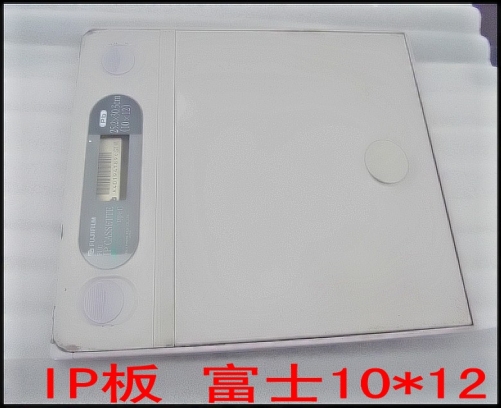
Product info
- Product name:Computed Radiography (CR) System – Digital X-Ray Imaging Plate Scanner for Hospital Radiology
- Product code:CCX-T2
Packaging Specifications
- Outer Packaging Size:0 × 0 × 0 m
- Gross Weight:0 kg
- Net Weight:0 kg
- Volume:0
Description
Computed Radiography (CR) System
Product Introduction
The Computed Radiography (CR) System is a digital X-ray imaging solution that replaces traditional film-based radiography. It uses a reusable imaging plate (IP) to capture X-ray exposure and converts it into high-resolution digital images through a laser scanning process.
CR technology provides an efficient and cost-effective transition from analog film systems to digital radiography, making it widely used in hospitals, clinics, and diagnostic imaging centers.
How Computed Radiography Works
The CR system operates through a two-step imaging process:
- X-ray Exposure
The imaging plate inside a cassette is exposed to X-ray radiation, storing a latent image. - Laser Scanning & Digitization
The cassette is inserted into the CR reader, where a laser scans the plate and releases stored energy as visible light. - Digital Conversion
The emitted light is captured and converted into a digital image for diagnosis, storage, and sharing.
The imaging plate is then erased and reused for the next exposure.
Key Advantages of CR System
Cost-Effective Digital Upgrade
CR systems allow hospitals to upgrade from film-based X-ray without replacing existing X-ray generators, significantly reducing investment cost.
Reusable Imaging Plates
The imaging plates can be reused thousands of times, eliminating the need for chemical film processing and darkroom infrastructure.
Easy Integration with Existing X-Ray Systems
CR can be used with existing analog X-ray machines, making it ideal for gradual digital transformation.
High-Quality Digital Imaging
Provides wide dynamic range imaging, enabling better visualization of bones, tissues, and soft structures.
Improved Workflow Efficiency
Eliminates film development process, reducing turnaround time and improving hospital workflow efficiency.
Clinical Applications
The CR system is widely used in:
- General radiography (chest, abdomen, spine)
- Orthopedic imaging (bone fracture diagnosis)
- Emergency departments
- ICU and inpatient imaging
- Veterinary imaging
- Small and medium-sized hospital radiology departments
- Rural and budget-limited clinics upgrading from film X-ray
System Components
A typical Computed Radiography system includes:
- X-ray imaging plate (cassette type)
- CR reader / scanner unit
- Workstation computer
- Image processing software
- PACS / RIS integration support
- Imaging plate erasing unit (built-in or separate)
CR vs DR System (Important for Buyers)
| Feature | CR System | DR System |
|---|---|---|
| Imaging method | Imaging plate | Flat panel detector |
| Image speed | Medium | Instant |
| Cost | Lower | Higher |
| Upgrade path | Easy from film | Full system replacement |
| Maintenance | Low-medium | Higher |
| Best for | Budget hospitals, clinics | Advanced hospitals |
Why Hospitals Choose CR Systems
CR systems remain widely used because they:
- Allow low-cost digital transformation
- Work with existing X-ray equipment
- Require lower capital investment than DR
- Provide reliable imaging for general diagnostics
- Are suitable for high-volume but budget-sensitive hospitals
Recommended Users
- Hospital radiology departments
- Small and medium-sized clinics
- Government healthcare projects
- Veterinary diagnostic centers
- Medical equipment distributors
- Rural healthcare facilities upgrading from film
System Configuration
- CR imaging plate cassette
- CR reader (scanner unit)
- Diagnostic workstation
- Imaging software system
- Optional PACS connectivity module
no comments