Radiology Equipment Procurement 2026: X-Ray, CT, and MRI Sourcing Strategies
Radiology Equipment Procurement 2026: X-Ray, CT, and MRI Sourcing Strategies
Table of Contents
- Understanding Radiology Equipment Procurement in 2026
- Digital X-Ray Systems: Foundation of Modern Imaging
- CT Scanner Sourcing: Advanced Imaging Solutions
- MRI Machine Procurement: High-Field Imaging
- Vendor Selection and Quality Assurance
- Budget Planning and Cost Management
- Installation and Training Considerations
- Maintenance and Service Support
- FAQs
- Conclusion

Related products
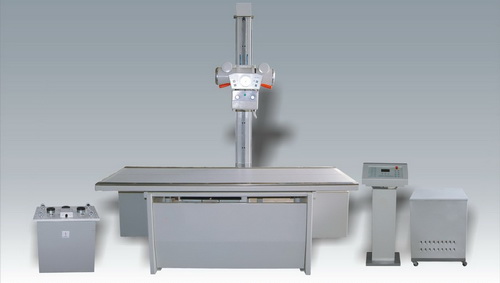
20kW200mA Four-way Movable Bed X ray Machine
SKU: CCX-200BZ
Check the imaging configuration, room requirements and commissioning arrangements.
View product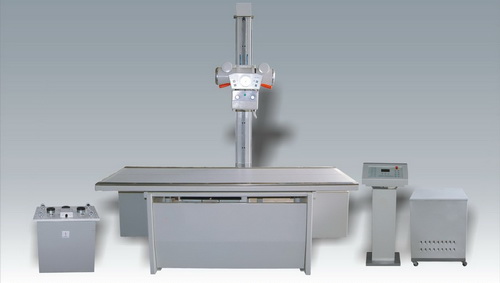
300mA Four-way Movable Bed X ray Machine
SKU: CCX-300BZ
Check the imaging configuration, room requirements and commissioning arrangements.
View product
Understanding Radiology Equipment Procurement in 2026
Radiology equipment procurement has become more complex in 2026, with procurement teams balancing advanced imaging capabilities against budget constraints and space limitations. Medical imaging equipment now represents one of the largest capital expenditures for hospitals and clinics worldwide.
The procurement process for radiology departments involves multiple stakeholders: radiologists who specify clinical requirements, administrators who manage budgets, and facility managers who handle installation logistics. Your procurement strategy must address each of these perspectives while ensuring equipment meets both current needs and future expansion plans.
Modern radiology equipment procurement requires careful evaluation of technology standards, vendor reliability, service support, and total cost of ownership. The shift toward digital imaging has accelerated, making legacy analog systems increasingly obsolete for most clinical applications.
Digital X-Ray Systems: Foundation of Modern Imaging
Digital radiography forms the backbone of most radiology departments in 2026. When planning x-ray machine procurement, your team must evaluate detector technology, image processing capabilities, and workflow integration requirements.
Key X-Ray Machine Procurement Considerations
Detector Technology Selection
Direct conversion detectors offer superior image quality but require higher initial investment. Indirect conversion systems provide cost-effective solutions for general radiography applications. Your choice depends on patient volume, diagnostic requirements, and budget allocation.
Image Processing and Storage
Modern digital X-ray systems integrate with PACS (Picture Archiving and Communication Systems) and RIS (Radiology Information Systems). Ensure your selected equipment supports DICOM standards and provides seamless workflow integration with existing hospital information systems.
Mobility and Flexibility
Fixed installations work well for high-volume departments, while mobile X-ray units provide flexibility for bedside imaging and emergency situations. Many procurement teams opt for a combination approach to maximize departmental efficiency.
Digital vs. Analog: Making the Right Choice
Digital systems eliminate film processing costs and provide immediate image availability. The technology also enables dose reduction protocols, improving patient safety while maintaining diagnostic quality. Most procurement decisions in 2026 favor digital solutions unless budget constraints require phased implementation approaches.
Consider these factors when evaluating digital X-ray options:
- Patient throughput requirements
- Image quality specifications
- Integration with existing systems
- Staff training requirements
- Ongoing maintenance costs
CT Scanner Sourcing: Advanced Imaging Solutions

CT scanner procurement requires detailed technical evaluation and significant infrastructure planning. These high-value imaging systems demand careful vendor selection and comprehensive service support arrangements.
Multi-Slice CT Technology Evaluation
Modern CT scanners offer 16-slice to 320-slice configurations. Higher slice counts enable faster scanning and improved image resolution but require larger initial investments. Your procurement team should match slice count specifications to clinical requirements and patient volume projections.
Clinical Applications Assessment
General hospitals typically require 64-slice systems for routine imaging applications. Specialized cardiac or trauma centers may benefit from 128-slice or higher configurations. Emergency departments often prioritize scan speed over maximum resolution capabilities.
Dose Reduction Technologies
2026 CT systems incorporate advanced dose reduction algorithms. Evaluate iterative reconstruction capabilities, automatic exposure control, and organ-specific dose modulation features when comparing vendor proposals.
Space and Power Requirements
CT installations require dedicated rooms with specific dimensions, power supplies, and radiation shielding. Plan these infrastructure requirements early in your procurement process to avoid delays and cost overruns.
Electrical and Cooling Systems
High-end CT scanners require three-phase power connections and dedicated cooling systems. Coordinate with facility management teams to ensure adequate electrical capacity and HVAC support before equipment delivery.
MRI Machine Procurement: High-Field Imaging
MRI procurement represents the most complex radiology equipment decision, involving significant capital investment, extensive site preparation, and ongoing operational costs.
Field Strength Selection
1.5 Tesla Systems
Provide excellent image quality for most clinical applications while requiring less complex site preparation. These systems offer good value for general hospitals and outpatient imaging centers.
3.0 Tesla Systems
Deliver superior image resolution and faster scanning capabilities but demand more extensive shielding and site preparation. Consider 3T systems for specialized neurological, cardiac, or research applications.
Open vs. Closed Bore Design
Closed bore systems provide better image quality and faster scan times. Open MRI units accommodate claustrophobic patients and larger body sizes but with some compromise in image resolution and scan speed.
Installation and Infrastructure Planning
MRI installations require specialized site preparation including:
- RF shielding room construction
- Cryogen supply and exhaust systems
- Dedicated electrical and cooling infrastructure
- Magnetic field safety zones
- Emergency quench procedures
Plan 6-12 months for site preparation before equipment delivery. Work with experienced MRI installation contractors to ensure compliance with safety regulations and manufacturer specifications.
Vendor Selection and Quality Assurance
Successful radiology equipment procurement depends on thorough vendor evaluation and quality verification processes. Your procurement team should assess manufacturer credentials, product certifications, and service capabilities.
Manufacturer Partnerships
Established Chinese manufacturers like Mindray, Sonoscape, and Neusoft provide cost-effective alternatives to traditional Western brands. These companies offer modern technology with competitive pricing and growing global service networks.
Quality Certifications
Verify that equipment meets relevant international standards including FDA, CE marking, and ISO certifications. Request documentation of quality management systems and manufacturing facility inspections.
Reference Installations
Review completed installations in similar healthcare settings. Contact reference customers to evaluate equipment performance, service quality, and overall satisfaction levels.
Budget Planning and Cost Management
Radiology equipment procurement requires comprehensive budget planning that extends beyond initial purchase prices. Consider total cost of ownership including installation, training, maintenance, and eventual replacement costs.
Capital Equipment Budgeting
- X-ray systems: $50,000-$200,000 depending on configuration
- CT scanners: $300,000-$1,500,000 based on slice count and features
- MRI systems: $500,000-$3,000,000 depending on field strength and options
Operational Cost Considerations
Factor in ongoing expenses including service contracts, consumables, utilities, and staff training. MRI systems require particular attention to helium costs and magnet maintenance requirements.
Financing Options
Explore equipment financing, leasing, and service bundling arrangements. Many vendors offer flexible payment terms that can help manage cash flow while acquiring necessary equipment.
Installation and Training Considerations
Proper installation and staff training ensure optimal equipment performance and patient safety. Plan these activities carefully to minimize department downtime and maximize return on investment.
Installation Project Management
Coordinate equipment delivery with site preparation completion. Establish clear timelines and milestone checkpoints to track progress and identify potential delays early.
Staff Training Programs
Comprehensive training programs should cover equipment operation, safety procedures, and basic troubleshooting. Plan for both initial training and ongoing education to maintain competency levels.
Workflow Integration
Work with vendors to customize equipment settings and protocols for your specific clinical requirements. Proper workflow integration reduces scan times and improves patient throughput.
Maintenance and Service Support
Reliable service support ensures consistent equipment availability and optimal performance throughout the system lifecycle. Evaluate vendor service capabilities carefully during the procurement process.
Service Contract Options
Full-service contracts provide comprehensive coverage including parts, labor, and preventive maintenance. Time and materials arrangements offer lower initial costs but variable ongoing expenses.
Response Time Requirements
Critical imaging equipment requires rapid service response to minimize patient care disruption. Establish clear service level agreements with guaranteed response times and performance penalties.
Remote Monitoring Capabilities
Modern equipment often includes remote monitoring systems that enable proactive maintenance and rapid problem diagnosis. These capabilities can significantly improve system uptime and reduce service costs.
For comprehensive radiology equipment procurement support, including access to verified Chinese manufacturers and turnkey installation services, learn more at chinacaremedical.com. Their platform connects procurement teams with established brands like Mindray, Sonoscape, and Neusoft, backed by completed projects across 100+ countries.
FAQs
What is the typical procurement timeline for radiology equipment in 2026?
Radiology equipment procurement typically requires 3-6 months for vendor selection and contract negotiation, plus additional time for site preparation and installation. MRI systems may require 12-18 months total due to complex infrastructure requirements.
How do I evaluate Chinese manufacturers for radiology equipment procurement?
Focus on international certifications (FDA, CE marking), reference installations, service network coverage, and quality management systems. Established manufacturers like Mindray, Sonoscape, and Neusoft offer proven track records with global installations.
What are the key differences between 1.5T and 3.0T MRI systems for procurement decisions?
3.0T systems provide superior image resolution and faster scanning but require more complex site preparation and higher operational costs. 1.5T systems offer excellent clinical performance for most applications with lower total cost of ownership.
How should I budget for radiology equipment maintenance and service costs?
Plan for annual service costs of 8-12% of equipment purchase price. Full-service contracts provide predictable expenses, while time and materials arrangements offer flexibility but variable costs.
What infrastructure requirements should I consider for CT scanner procurement?
CT installations require dedicated electrical power (typically 3-phase), adequate cooling capacity, radiation shielding, and sufficient room dimensions. Plan infrastructure upgrades 6-12 months before equipment delivery.
How do I ensure proper staff training during radiology equipment procurement?
Include comprehensive training programs in vendor contracts, covering equipment operation, safety procedures, and basic troubleshooting. Plan for both initial certification and ongoing education requirements.
What financing options are available for radiology equipment procurement in 2026?
Options include direct purchase, equipment financing, operating leases, and bundled service agreements. Evaluate total cost of ownership and cash flow impact when selecting financing approaches.
Conclusion
Successful radiology equipment procurement in 2026 requires careful planning, thorough vendor evaluation, and comprehensive project management. Focus on matching equipment specifications to clinical requirements while considering total cost of ownership and long-term service support.
The key to effective procurement lies in balancing advanced imaging capabilities with budget constraints and operational requirements. Work with experienced vendors who provide proven equipment, reliable service support, and comprehensive training programs to ensure successful implementation and optimal patient care outcomes.
Related articles