Top Trends in Clinical Laboratory Instruments: The Role of Biochemistry Analyzers in Modern Diagnostics
Introduction
Clinical laboratory instruments are the backbone of modern diagnostics, enabling accurate and timely detection of diseases. Among these, the biochemistry analyzer stands out as a critical tool for analyzing blood, urine, and other bodily fluids. In this article, we explore the latest trends in clinical laboratory instruments, with a special focus on biochemistry analyzers, and how they are transforming healthcare.
Advancements in Biochemistry Analyzers
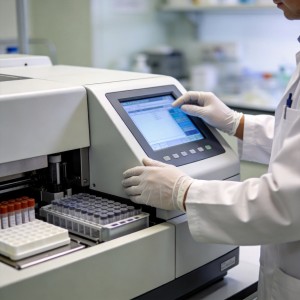
Biochemistry analyzers have evolved significantly, incorporating automation, artificial intelligence, and connectivity. Modern clinical laboratory instruments now offer high throughput, minimal sample volumes, and integrated quality control. These features reduce turnaround time and human error, making them indispensable in hospitals and reference labs. For instance, China Care Medical provides state-of-the-art biochemistry analyzers that align with these trends.
According to WHO diagnostics guidelines, reliable laboratory equipment is essential for effective disease management. The integration of cloud-based data management allows remote monitoring and predictive maintenance, further enhancing efficiency.
Key Trends in Clinical Laboratory Instruments
Several trends are shaping the future of clinical laboratory instruments. First, miniaturization and portability enable point-of-care testing. Second, automation reduces manual intervention. Third, interoperability with electronic health records improves data flow. The biochemistry analyzer is at the forefront of these changes, offering multi-parameter testing in a single run.
Another trend is the use of advanced sensors and reagents that increase sensitivity and specificity. This is crucial for early detection of chronic diseases like diabetes and kidney disorders. Laboratories investing in cutting-edge clinical laboratory instruments can achieve better patient outcomes.
Choosing the Right Biochemistry Analyzer
When selecting a biochemistry analyzer, consider factors like throughput, test menu, ease of use, and after-sales support. Leading manufacturers offer analyzers that meet diverse needs, from small clinics to large hospitals. For example, China Care Medical provides a range of analyzers with competitive features.
It is also important to evaluate total cost of ownership, including reagents and maintenance. A reliable partner can help optimize workflow and ensure compliance with regulatory standards.
Conclusion
Clinical laboratory instruments, especially biochemistry analyzers, are vital for accurate diagnostics. By staying updated on trends and investing in quality equipment, laboratories can enhance their capabilities. Explore our resources to learn more about the latest in diagnostic technology.