The Future of Medical Laboratory Equipment: Trends in Medical Device Testing Labs
Introduction
The landscape of healthcare diagnostics is rapidly evolving, driven by technological advancements in medical laboratory equipment and the critical role of medical device testing labs. As the demand for accurate, rapid, and reliable diagnostics grows, laboratories and testing facilities must adapt to new standards and tools. This article explores the key trends shaping the future of these essential sectors, from automation to artificial intelligence, and provides insights for professionals seeking to stay ahead. For more information on high-quality laboratory solutions, visit China Care Medical.
Automation and Robotics in Medical Labs
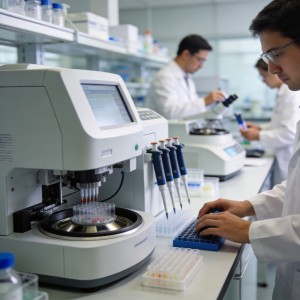
One of the most significant transformations is the integration of automation and robotics into routine laboratory processes. Modern medical laboratory equipment now includes automated analyzers that can process hundreds of samples per hour with minimal human intervention. This not only increases throughput but also reduces the risk of human error. In medical device testing labs, robotic systems are used for precision testing, ensuring that devices meet stringent regulatory standards. Automation also enables 24/7 operation, accelerating the time-to-results for critical tests. According to a report by the World Health Organization, automation is key to strengthening laboratory capacity globally.
Artificial Intelligence and Data Analytics
Artificial intelligence (AI) is revolutionizing how data is interpreted in medical laboratories. AI algorithms can analyze complex datasets from medical laboratory equipment to identify patterns that may be missed by human eyes. In medical device testing labs, AI is used to predict device performance and detect potential failures before they occur. Machine learning models are trained on vast amounts of testing data to improve accuracy and efficiency. This convergence of AI and laboratory science is paving the way for personalized medicine and predictive diagnostics. Laboratories that adopt AI-driven tools can offer more precise and timely results, enhancing patient outcomes.
Point-of-Care Testing and Portability
The shift towards decentralized testing is another major trend. Point-of-care (POC) devices allow testing to be performed at the patient's bedside or in remote settings, reducing the need for centralized laboratory visits. These portable medical laboratory equipment options, such as handheld analyzers and rapid test kits, are becoming increasingly sophisticated. Medical device testing labs play a crucial role in validating the accuracy and reliability of these devices before they reach the market. The COVID-19 pandemic accelerated the adoption of POC testing, and this trend is expected to continue, driving innovation in compact and user-friendly devices.
Regulatory Compliance and Quality Standards
As technology advances, regulatory bodies are updating their requirements to ensure safety and efficacy. Medical device testing labs must comply with standards such as ISO 15189 and ISO 13485, which govern quality management in medical laboratories and device manufacturing. The latest medical laboratory equipment is designed with built-in compliance features, such as electronic records and audit trails. Laboratories must also invest in regular calibration and maintenance to maintain accreditation. Staying compliant not only ensures patient safety but also enhances the credibility of the laboratory.
Integration of Internet of Things (IoT)
The Internet of Things (IoT) is enabling seamless connectivity between medical laboratory equipment and centralized data systems. Sensors embedded in analyzers can transmit real-time data on instrument status, reagent levels, and test results to laboratory information systems. This connectivity allows for proactive maintenance, reducing downtime. In medical device testing labs, IoT devices can monitor environmental conditions during testing, ensuring consistent and reproducible results. The integration of IoT is a cornerstone of the smart laboratory concept, where efficiency and data integrity are paramount.
Sustainability and Green Lab Practices
Environmental sustainability is becoming a priority in laboratory operations. Manufacturers of medical laboratory equipment are developing energy-efficient instruments that reduce power consumption and waste. Medical device testing labs are adopting green practices such as recycling reagents, reducing water usage, and implementing waste management protocols. These initiatives not only lower operational costs but also align with global efforts to combat climate change. Laboratories that prioritize sustainability can also enhance their brand reputation and attract eco-conscious clients.
Conclusion
The future of medical laboratory equipment and medical device testing labs is bright, characterized by innovation, efficiency, and precision. From automation and AI to IoT and sustainability, the trends discussed here are reshaping the industry. Professionals in this field must stay informed and adapt to these changes to remain competitive. By leveraging advanced equipment and adhering to best practices, laboratories can improve diagnostic accuracy, enhance patient care, and contribute to the advancement of global health. For high-quality laboratory equipment and solutions, explore China Care Medical.