Surgical Light Innovation: How Shadowless Lamps Enhance Precision in the Operating Room
Introduction to Surgical Lighting
In the high-stakes environment of an operating room, visibility is paramount. A surgical light is not just a source of illumination; it is a critical tool that directly impacts surgical outcomes. Among the various types, the surgical shadowless lamp has become the gold standard, designed to eliminate shadows and provide consistent, bright light. This article explores the evolution of surgical operation lamps and how they enhance precision in modern surgery.
Why Shadowless Lamps Matter
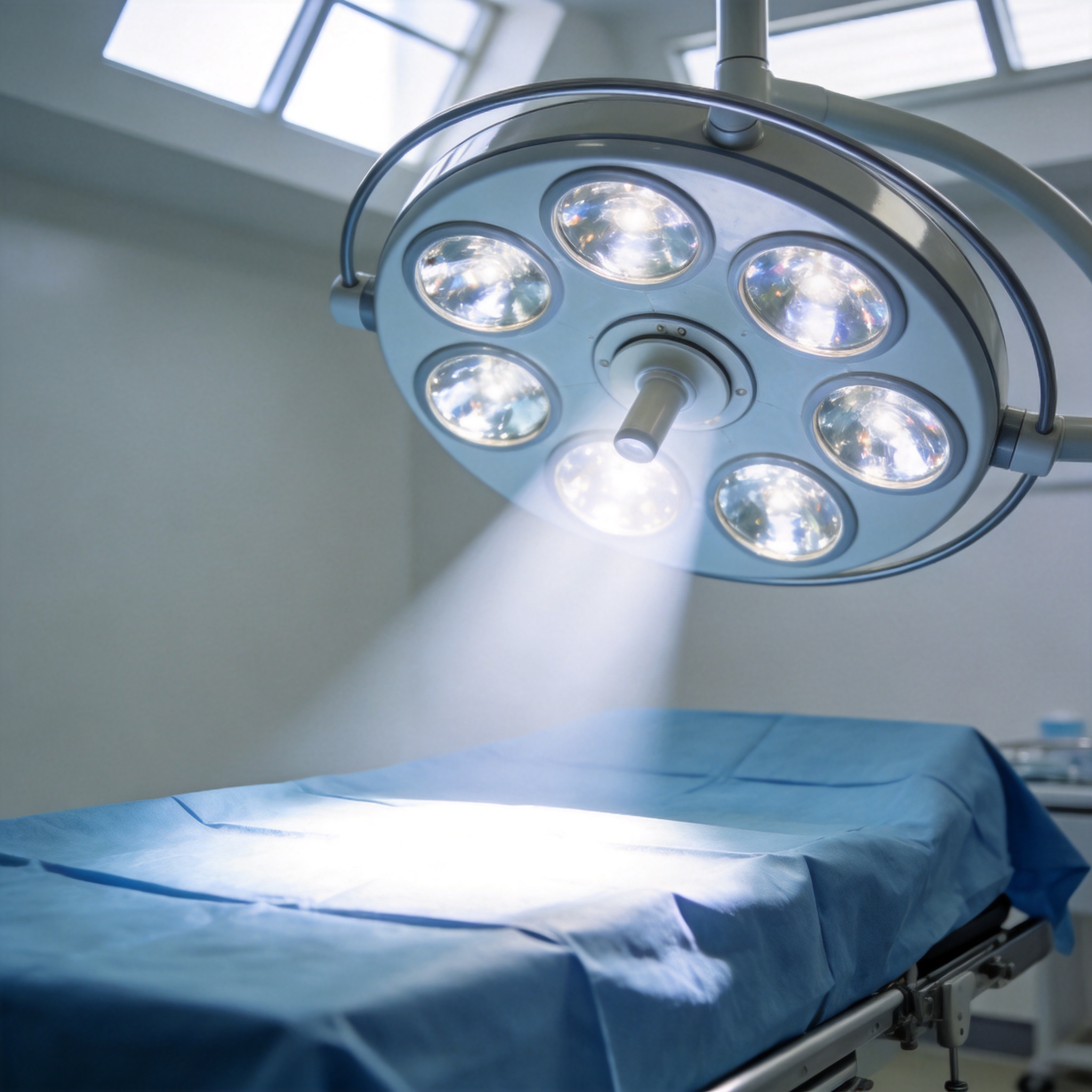
Traditional lights cast shadows when hands or instruments block the beam. A surgical shadowless lamp uses multiple light sources and advanced optics to minimize shadows, ensuring the surgical site is always fully illuminated. This is crucial for delicate procedures where even a momentary shadow can lead to errors. The surgical light must also offer color temperature control to accurately render tissues, and intensity adjustment to reduce eye fatigue during long operations. Modern surgical operation lamps incorporate LED technology, which provides a longer lifespan and lower heat emission compared to halogen bulbs.
For more information on high-quality surgical lighting solutions, visit Chinacare Medical.
Key Features of Modern Surgical Lights
Today's surgical light systems are highly customizable. They feature touch-screen controls, sterile handles for easy positioning, and camera integration for documentation. The surgical shadowless lamp often includes a backup battery to ensure uninterrupted operation during power outages. Additionally, surgical operation lamps are designed with ergonomic suspension systems that allow smooth movement without drifting. These features collectively improve workflow efficiency and patient safety.
Choosing the Right Surgical Operation Lamp
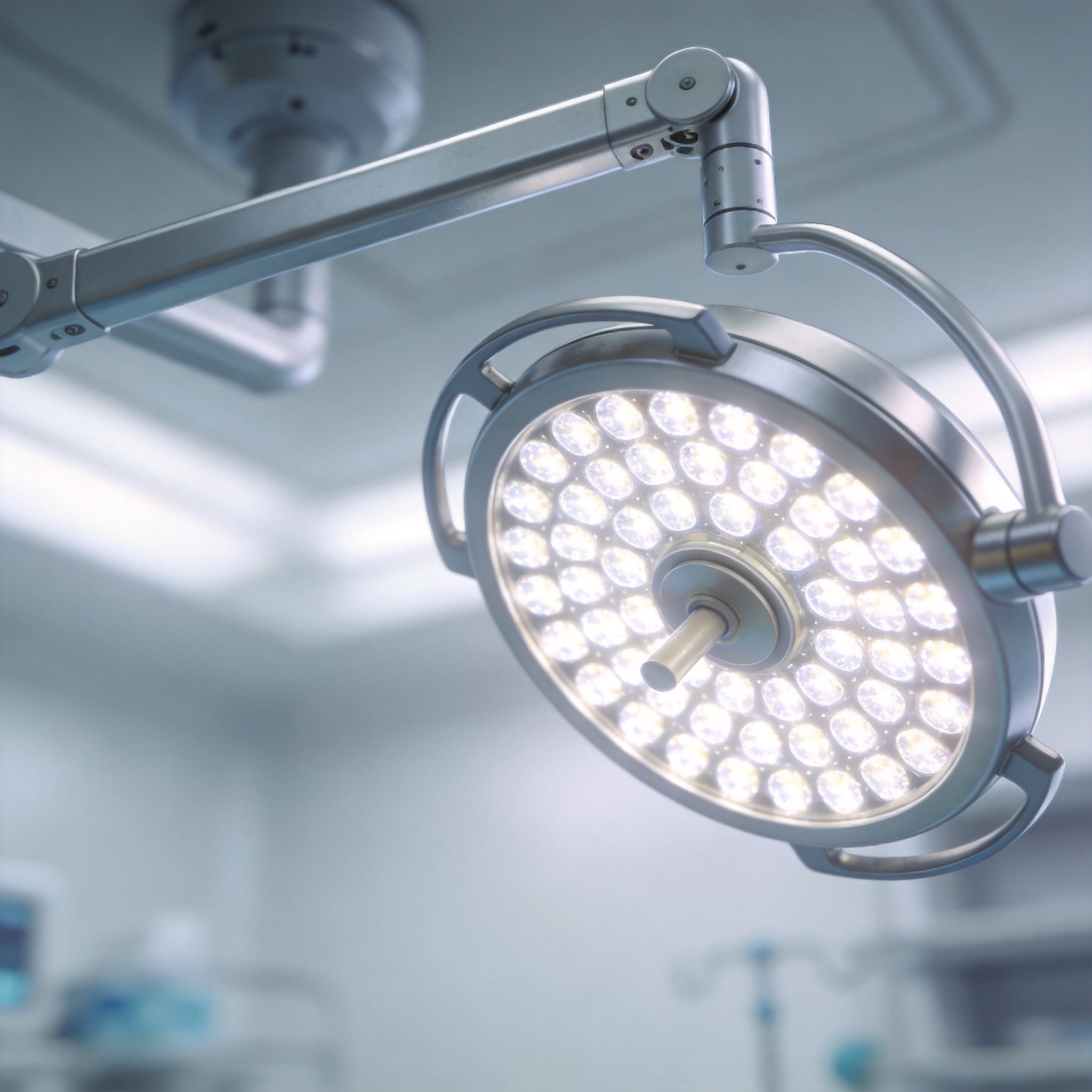
When selecting a surgical operation lamp, factors such as illuminance (lux), color rendering index (CRI), and depth of illumination must be considered. A CRI above 90 is recommended for accurate tissue differentiation. The surgical light should also have a low noise level and be easy to clean. Leading manufacturers now offer wireless control and integration with hospital information systems. For a comprehensive guide, refer to the AORN guidelines on surgical lighting.
Conclusion
The advancement of surgical light technology, particularly the surgical shadowless lamp, has revolutionized operating rooms worldwide. By providing shadow-free, adjustable, and high-quality illumination, surgical operation lamps enable surgeons to perform with greater precision and confidence. Investing in the right lighting is an investment in patient outcomes.