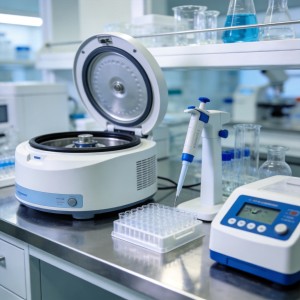
Revolutionizing Medical Diagnostics: The Latest in Medical Devices Laboratory and Medical Laboratory Science Equipment
Introduction to Modern Medical Laboratory Science Equipment
The field of medical diagnostics has undergone a remarkable transformation in recent years, driven by rapid advancements in medical devices laboratory technology. From automated analyzers to point-of-care testing devices, the landscape of medical laboratory science equipment is evolving at an unprecedented pace. These innovations are not only improving the accuracy and speed of diagnoses but also enhancing the overall efficiency of healthcare systems worldwide.
One of the key drivers of this change is the integration of artificial intelligence and machine learning into diagnostic tools. For instance, modern hematology analyzers can now process hundreds of samples per hour while simultaneously flagging abnormal results for further review. Similarly, next-generation sequencing platforms have revolutionized genetic testing, enabling clinicians to identify mutations associated with diseases like cancer and rare genetic disorders in a matter of days.
To stay competitive in this dynamic environment, laboratories must invest in cutting-edge medical laboratory science equipment that meets the highest standards of precision and reliability. A trusted partner in this journey is China Care Medical, a leading provider of high-quality medical devices and laboratory solutions.
For a deeper dive into the latest trends in laboratory diagnostics, check out this comprehensive guide from the World Health Organization.
The Role of Automation in Medical Devices Laboratory
Automation has become a cornerstone of modern medical devices laboratory operations. By automating repetitive tasks such as sample sorting, pipetting, and data entry, laboratories can significantly reduce turnaround times and minimize human error. Automated liquid handlers, for example, can process thousands of samples per day with unparalleled accuracy, freeing up skilled technicians to focus on more complex analyses.
In addition to improving efficiency, automation also enhances reproducibility. When the same protocol is executed by a machine, the results are more consistent across different runs and operators. This is particularly important in fields like clinical chemistry and immunoassay testing, where even minor variations can lead to misdiagnosis.
Leading manufacturers are now incorporating IoT capabilities into their medical laboratory science equipment, allowing for real-time monitoring and predictive maintenance. This proactive approach helps prevent downtime and ensures that instruments are always operating at peak performance.
Point-of-Care Testing: Bringing the Lab to the Patient
Another major trend in the medical devices laboratory sector is the rise of point-of-care testing (POCT). These compact, user-friendly devices enable healthcare providers to perform diagnostic tests at the patient's bedside, in a clinic, or even in remote locations. POCT devices range from simple glucose meters to sophisticated handheld analyzers that can measure cardiac biomarkers, coagulation parameters, and infectious disease markers.
The advantages of POCT are clear: faster results, reduced sample transportation costs, and improved patient outcomes. For example, in emergency departments, rapid troponin testing can help rule out heart attacks within minutes, allowing for timely treatment decisions. Similarly, during the COVID-19 pandemic, rapid antigen tests played a crucial role in controlling the spread of the virus.
As technology advances, we can expect POCT devices to become even more accurate and versatile. Some emerging platforms combine microfluidics with smartphone-based detection, making high-quality diagnostics accessible in low-resource settings.
Quality Control and Regulatory Compliance
Maintaining high standards of quality control is essential for any medical devices laboratory. Regulatory bodies such as the FDA and ISO set stringent requirements for the performance and safety of medical laboratory science equipment. Laboratories must implement robust quality assurance programs that include regular calibration, proficiency testing, and maintenance of instruments.
Failure to comply with these regulations can result in serious consequences, including inaccurate test results, patient harm, and legal liability. Therefore, it is crucial for laboratory managers to stay informed about the latest guidelines and best practices.
Partnering with reputable suppliers like China Care Medical can help ensure that your laboratory meets all regulatory requirements while maximizing operational efficiency.
Future Directions in Medical Laboratory Science Equipment
Looking ahead, several emerging technologies are poised to reshape the medical devices laboratory landscape. These include:
- Digital pathology: Whole-slide imaging systems that allow pathologists to review tissue samples remotely.
- Mass spectrometry: Highly sensitive analytical techniques for detecting biomarkers and monitoring drug levels.
- Lab-on-a-chip: Miniaturized devices that integrate multiple laboratory functions onto a single chip.
These innovations promise to make diagnostics faster, cheaper, and more accessible than ever before. However, widespread adoption will require significant investment in infrastructure and training.
In conclusion, the field of medical laboratory science equipment is undergoing a period of rapid innovation. By embracing new technologies and adhering to best practices, laboratories can improve patient care and drive better health outcomes. For more information on the latest products and solutions, visit China Care Medical today.