Precision in Every Measurement: The Role of Lab Measurement Equipment and Lab Measuring Instruments in Modern Science
Introduction
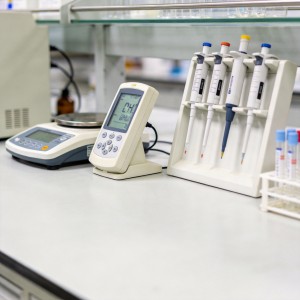
In the world of scientific research and industrial quality control, the accuracy of data hinges on the reliability of lab measurement equipment and lab measuring instruments. Whether you are conducting pharmaceutical research, environmental testing, or material analysis, having precise and calibrated tools is non-negotiable. This article delves into the types, importance, and best practices for using measurement instruments in laboratory settings.
Why Precision Matters
Laboratory measurements form the backbone of scientific discovery. A slight error in measurement can lead to flawed conclusions, wasted resources, or even safety hazards. Lab measurement equipment such as balances, pH meters, and spectrophotometers must meet stringent standards. Regulatory bodies like ISO and FDA require laboratories to use calibrated instruments to ensure traceability and reproducibility. For instance, in pharmaceutical labs, precise dosing of active ingredients is critical for drug efficacy. Similarly, environmental labs rely on accurate lab measuring instruments to detect contaminants at parts-per-billion levels.
Types of Essential Lab Measuring Instruments
Modern laboratories use a wide array of instruments. Here are some key categories:
- Mass and Weight: Analytical balances and microbalances measure mass with high precision. They are essential for preparing standard solutions and weighing samples.
- Temperature: Digital thermometers, thermocouples, and infrared sensors monitor temperature in reactions and storage. Accurate temperature control is vital for enzyme kinetics and cell culture.
- Volume: Pipettes, burettes, and volumetric flasks ensure accurate liquid handling. Automated pipetting systems enhance throughput and reduce human error.
- pH and Conductivity: pH meters and conductivity meters assess chemical properties of solutions. They are used in water quality testing and food processing.
- Optical Measurements: Spectrophotometers and colorimeters measure light absorption and transmission. They are key in DNA quantification and chemical analysis.
Each of these lab measuring instruments requires regular calibration and maintenance. Many laboratories source their equipment from trusted lab measurement equipment suppliers to ensure quality and compliance.
Best Practices for Using Lab Measurement Equipment
To maximize accuracy and longevity of your instruments, follow these guidelines:
- Calibration: Regularly calibrate instruments using certified reference standards. Document all calibration activities for audit trails.
- Environment: Control temperature, humidity, and vibration in the lab. These factors can affect measurement stability.
- Training: Ensure personnel are trained on proper use and handling of each instrument. Improper technique is a common source of error.
- Maintenance: Clean instruments after each use and schedule periodic professional servicing.
- Data Recording: Use electronic lab notebooks to record measurements automatically where possible, reducing transcription errors.
For a comprehensive range of high-quality instruments, explore options from leading laboratory equipment suppliers.
Conclusion
Investing in reliable lab measurement equipment and lab measuring instruments is an investment in the integrity of your research. By understanding the types of instruments available and adhering to best practices, you can ensure accurate, reproducible results. Whether you are setting up a new lab or upgrading existing tools, prioritize precision and quality. For more resources on laboratory equipment, visit China Care Medical or consult authoritative sources like the National Institute of Standards and Technology (NIST) for calibration standards.