Maximize Lab Efficiency with a Simple Centrifuge Machine and Solvent Distillation Apparatus
Introduction
In modern laboratories, efficiency and precision are paramount. Whether you are working in a research lab, a quality control facility, or a small-scale production unit, having the right equipment can make all the difference. Two essential tools that every lab should consider are the simple centrifuge machine and the solvent distillation apparatus. These devices streamline processes, save time, and reduce costs. In this article, we will explore how these instruments work, their applications, and how to choose the best ones for your needs.
What is a Simple Centrifuge Machine?
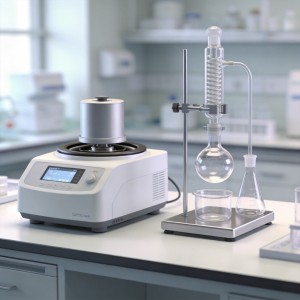
A simple centrifuge machine is a laboratory instrument that uses centrifugal force to separate components of a mixture based on density. It is widely used in biology, chemistry, and clinical labs for tasks such as separating blood components, pelleting cells, or purifying DNA. Unlike high-speed ultracentrifuges, simple centrifuges are affordable, easy to operate, and perfect for routine separations. They typically feature a rotor that holds sample tubes and spins at speeds ranging from 1,000 to 5,000 RPM. Key factors to consider when selecting a centrifuge include rotor capacity, maximum speed, and safety features. For reliable performance, look for models with digital controls and automatic lid locks. Chinacare Medical offers a range of laboratory centrifuges that combine quality with affordability.
Understanding the Solvent Distillation Apparatus
A solvent distillation apparatus is used to purify or recover solvents by heating and condensing vapors. It is essential in chemistry labs for recycling expensive solvents, reducing waste, and ensuring purity. The apparatus typically includes a boiling flask, condenser, collection vessel, and heating source. Simple distillation is ideal for separating liquids with different boiling points, while fractional distillation is used for more complex mixtures. Modern distillation units come with digital temperature control and safety features to prevent overheating. Investing in a quality distillation apparatus not only saves money on solvent purchases but also supports environmental sustainability. For a wide selection of distillation equipment, visit Chinacare Medical.
Key Benefits of Using Both Instruments
Combining a simple centrifuge machine with a solvent distillation apparatus can significantly enhance lab workflow. For instance, after a chemical reaction, you can first centrifuge the mixture to remove solids, then distill the supernatant to recover the solvent. This two-step process increases purity and yield. Moreover, these instruments are compact and user-friendly, making them suitable for labs with limited space or budgets. They also reduce manual handling and contamination risks. By integrating both devices, laboratories can achieve higher throughput and better reproducibility.
Applications in Different Fields
- Pharmaceutical research: Centrifuges isolate active compounds, while distillation purifies solvents used in drug synthesis.
- Clinical diagnostics: Centrifuges separate blood components for analysis; distillation is used to prepare reagents.
- Environmental testing: Distillation extracts pollutants from water samples, and centrifuges concentrate particulates.
- Educational labs: Simple centrifuges and distillation apparatus teach fundamental separation techniques.
How to Choose the Right Equipment
When selecting a simple centrifuge machine, consider the sample volume and required g-force. For most routine applications, a benchtop model with a swing-bucket rotor is sufficient. For the solvent distillation apparatus, choose a system compatible with your solvents' boiling points and volume. Glassware should be borosilicate for thermal resistance. Always check for certifications like CE or ISO to ensure safety and quality. Additionally, read reviews and compare specifications from reputable suppliers. For expert advice and high-quality options, explore the products at Chinacare Medical.
Maintenance Tips
Proper maintenance prolongs the life of your equipment. For centrifuges, regularly clean the rotor and chamber, check for cracks, and lubricate the spindle. For distillation apparatus, inspect glassware for chips, replace seals, and clean condensers to prevent buildup. Follow manufacturer guidelines and schedule periodic calibration. A well-maintained lab ensures accurate results and safe operation.
Conclusion
Incorporating a simple centrifuge machine and solvent distillation apparatus into your laboratory setup is a smart investment. These tools boost efficiency, reduce costs, and enhance experimental accuracy. Whether you are a seasoned researcher or a student, understanding their functions and applications will help you achieve better outcomes. For top-quality laboratory equipment, trust Chinacare Medical to provide reliable solutions tailored to your needs.
For more information on laboratory best practices, visit Lab Manager.