Mastering Nitrogen Determination: The Ultimate Guide to Distillation Apparatus for Accurate Results
Introduction to Nitrogen Determination Apparatus
Nitrogen determination is a fundamental process in analytical chemistry, particularly for protein analysis in food, agriculture, and pharmaceuticals. The nitrogen determination apparatus is the cornerstone of this process, enabling scientists to measure nitrogen content accurately. Among the various methods, the Kjeldahl method remains the gold standard, relying on a nitrogen distillation apparatus to separate and quantify nitrogen. In this guide, we explore the key components, selection criteria, and best practices for using these instruments to ensure reliable results in your laboratory.
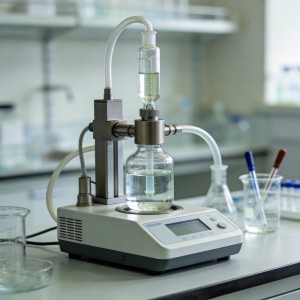
Key Components of a Nitrogen Determination Apparatus
A typical nitrogen determination apparatus consists of three main parts: a digestion unit, a distillation unit, and a titration unit. The digestion unit breaks down samples using concentrated sulfuric acid and catalysts, converting organic nitrogen into ammonium sulfate. The nitrogen distillation apparatus then steam-distills the ammonia into a receiving solution. Modern systems often integrate these functions into a single automated nitrogen determination apparatus, reducing manual errors and improving throughput. Key features to look for include programmable digestion, automatic distillation, and digital titration endpoints. For high-throughput labs, consider systems with multiple digestion positions and rapid distillation cycles. Always verify that the apparatus meets international standards such as AOAC or ISO for protein analysis.
Choosing the Right Nitrogen Distillation Apparatus
Selecting the appropriate nitrogen distillation apparatus depends on your sample type, volume, and required accuracy. For routine analysis of food and feed, a semi-automated system with a distillation range of 0.1–200 mg nitrogen is sufficient. For pharmaceutical or environmental samples with low nitrogen content, a micro-distillation apparatus with higher sensitivity is recommended. Key considerations include: (1) distillation time – faster cycles increase productivity; (2) safety features – automatic steam generation and alkali addition reduce hazards; (3) connectivity – modern apparatuses offer data export and LIMS integration. Always test the apparatus with certified reference materials to validate performance. For more details on selecting laboratory equipment, visit Chinacare Medical for expert advice and product comparisons.
Best Practices for Accurate Nitrogen Determination
To achieve consistent results with your nitrogen determination apparatus, follow these best practices: First, ensure complete digestion by using the correct catalyst-to-sample ratio and sufficient digestion time. Second, calibrate the nitrogen distillation apparatus regularly using standard ammonium solutions. Third, maintain a clean system by flushing after each run to prevent cross-contamination. Fourth, use high-purity reagents and deionized water. Finally, document all parameters and results for traceability. Common pitfalls include incomplete digestion due to insufficient temperature or time, and ammonia loss during distillation. By adhering to these guidelines, you can minimize errors and improve reproducibility. For further reading, refer to the AOAC Official Methods of Analysis for detailed protocols.
Conclusion
Investing in a high-quality nitrogen determination apparatus and nitrogen distillation apparatus is essential for any laboratory performing protein analysis. By understanding the components, selecting the right system, and following best practices, you can ensure accurate and reliable results. Stay updated with the latest advancements in distillation technology to enhance your lab's efficiency. For more information on laboratory equipment and support, explore our resources at Chinacare Medical.