Mastering All Glass Distillation Apparatus: Precision Apparatus and Measurement in the Laboratory
Introduction to All Glass Distillation Apparatus
In any modern laboratory, the all glass distillation apparatus is a cornerstone for separating and purifying liquids. Its transparency allows scientists to observe the distillation process in real time, ensuring accuracy in apparatus and measurement in the laboratory. Whether you are a seasoned chemist or a student, understanding this equipment is essential for reliable results.
Distillation relies on differences in boiling points. The all glass distillation apparatus typically includes a boiling flask, a condenser, a receiving flask, and sometimes a fractionating column. Each component must be precisely calibrated to maintain the integrity of the measurement. For more on laboratory glassware, visit China Care Medical.
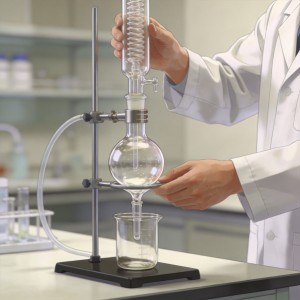
Key Components and Their Roles in Measurement
The boiling flask holds the mixture. Heat is applied, vapor rises, and enters the condenser. The condenser, often a Liebig or Allihn type, uses cold water to cool the vapor back into liquid. The receiving flask collects the distillate. Accurate apparatus and measurement in the laboratory depend on the fit of ground glass joints, which prevent leaks and maintain pressure.
Thermometers and adapters are crucial for monitoring temperature. A misaligned thermometer can lead to impure fractions. Always calibrate your all glass distillation apparatus before use. For external reading, refer to the Sigma-Aldrich distillation guide.
Best Practices for Precision Distillation
To achieve high purity, control heating rate and cooling efficiency. Use boiling chips to prevent bumping. Regularly clean glassware to avoid contamination. All glass distillation apparatus offers chemical resistance and visibility, making it ideal for sensitive compounds.
Measurement accuracy also depends on proper setup. Ensure all connections are secure. Record initial and final volumes. For advanced techniques, a fractionating column can separate close-boiling mixtures. Explore more at China Care Medical.
Common Applications in the Lab
From solvent purification to essential oil extraction, the all glass distillation apparatus is versatile. In organic chemistry, it separates reaction products. In environmental labs, it distills water for analysis. Apparatus and measurement in the laboratory are critical for reproducibility.
Always follow safety protocols: use a heating mantle, clamp glassware securely, and work in a fume hood. With proper care, your distillation apparatus will serve reliably for years.