How IVD Lab Automation and Lab Blood Test Machines Are Revolutionizing Diagnostics
Introduction to IVD Lab and Lab Blood Test Machines
The field of in vitro diagnostics (IVD) has seen remarkable advancements in recent years, driven by the need for faster, more accurate, and cost-effective testing solutions. At the heart of this transformation are IVD lab automation systems and lab blood test machines, which are revolutionizing the way clinical laboratories operate. These technologies not only enhance efficiency but also improve patient outcomes by delivering reliable results in record time. In this article, we will explore the key benefits, latest innovations, and future trends in IVD lab automation and blood testing equipment.
The Role of IVD Labs in Modern Healthcare
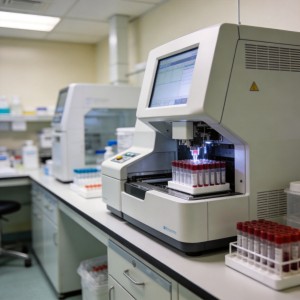
An IVD lab is a specialized facility that performs diagnostic tests on samples such as blood, urine, and tissues to detect diseases, monitor health conditions, and guide treatment decisions. With the global burden of chronic diseases rising, the demand for high-quality diagnostic services has never been greater. Chinacare Medical offers state-of-the-art IVD lab solutions that meet the highest standards of accuracy and reliability. By integrating automated systems, these labs can process hundreds of samples per hour, minimizing human error and maximizing throughput.
Understanding Lab Blood Test Machines
Lab blood test machines, also known as automated blood analyzers, are essential tools in any modern diagnostic laboratory. These machines can perform a wide range of tests, including complete blood counts (CBC), blood chemistry panels, coagulation tests, and immunoassays. They use sophisticated technologies such as flow cytometry, spectrophotometry, and chemiluminescence to deliver precise results. For more information on the latest advancements in blood analysis, visit this authoritative article on PubMed.
Benefits of Automation in IVD Labs
Automation in IVD labs offers numerous advantages. First, it significantly reduces turnaround times, allowing clinicians to make faster decisions. Second, it enhances accuracy by eliminating manual errors in sample handling and data entry. Third, it improves workflow efficiency by integrating pre-analytical, analytical, and post-analytical processes. Fourth, it reduces labor costs and frees up skilled technicians to focus on complex tasks. Finally, automated systems ensure traceability and compliance with regulatory standards.
Key Features of Modern Lab Blood Test Machines
Today's lab blood test machines come equipped with advanced features that set them apart. These include high throughput (up to 600 tests per hour), random access capabilities, built-in quality control modules, and connectivity to laboratory information systems (LIS). Many models also offer modular designs that allow labs to customize their configurations based on testing volume and menu. Additionally, some machines incorporate artificial intelligence to flag abnormal results and suggest differential diagnoses.
Choosing the Right IVD Lab Equipment
Selecting the right equipment for an IVD lab requires careful consideration of several factors. These include the lab's testing volume, budget, available space, and specific diagnostic needs. It is also important to evaluate the vendor's reputation, after-sales support, and training programs. For reliable solutions, Chinacare Medical provides a comprehensive range of lab blood test machines and automation systems designed to meet diverse clinical requirements.
Future Trends in IVD Lab Technology
The future of IVD labs is bright, with emerging trends such as point-of-care testing (POCT), miniaturization, and connectivity driving innovation. Lab-on-a-chip technologies and wearable sensors are expected to bring diagnostics closer to patients, while cloud-based platforms will enable real-time data sharing and analysis. As the industry moves toward personalized medicine, lab blood test machines will play a crucial role in delivering tailored diagnostics and treatment monitoring.
Conclusion
In conclusion, the integration of automation and advanced lab blood test machines in IVD labs is transforming the landscape of medical diagnostics. These technologies not only improve operational efficiency but also enhance the quality of patient care. By staying informed about the latest developments and investing in reliable equipment, laboratories can position themselves at the forefront of diagnostic innovation.