Essential Physics Lab Devices and Measuring Instruments: A Comprehensive Guide
Introduction to Physics Lab Devices
Physics laboratories are the backbone of scientific discovery and education. They rely on a variety of physics lab devices and physics lab measuring instruments to conduct experiments, verify theories, and teach fundamental principles. From simple rulers to complex spectrometers, each device plays a critical role in accurate measurement and analysis. In this guide, we will explore the most common and essential equipment found in physics labs, their uses, and tips for selecting the right tools for your needs.
Common Physics Lab Measuring Instruments
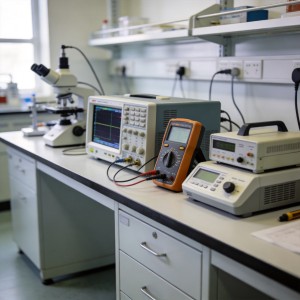
Physics lab measuring instruments are designed to quantify physical properties such as length, mass, time, temperature, electric current, and light intensity. Some of the most widely used instruments include:
- Vernier Caliper: Used for precise measurement of internal and external dimensions, depth, and step.
- Micrometer Screw Gauge: Measures small lengths with high accuracy, typically to 0.01 mm.
- Triple Beam Balance: A mechanical balance for measuring mass.
- Digital Multimeter: Measures voltage, current, and resistance in electrical circuits.
- Oscilloscope: Displays and analyzes waveform signals in electronics.
- Spectrometer: Measures properties of light over a specific portion of the electromagnetic spectrum.
These instruments are indispensable in both educational labs and advanced research facilities. For high-quality physics lab devices, consider sourcing from reputable suppliers like China Care Medical, which offers a wide range of laboratory equipment.
How to Choose the Right Equipment
Selecting the appropriate physics lab measuring instruments depends on several factors: the type of experiment, required accuracy, budget, and available space. For instance, a student lab might prioritize durability and ease of use, while a research lab may need high-precision instruments with advanced features. Always verify calibration standards and read reviews from other users. Additionally, consider the availability of spare parts and technical support. For more detailed guidance, refer to authoritative sources like the National Institute of Standards and Technology (NIST) for measurement standards.
Maintenance and Best Practices
Proper maintenance extends the lifespan of physics lab devices. Keep instruments clean, store them in dry environments, and calibrate them regularly. For delicate devices like spectrometers and oscilloscopes, follow manufacturer guidelines. Encourage students and staff to handle equipment with care to avoid damage. A well-maintained lab ensures reliable results and safety.
Conclusion
Understanding the role of physics lab measuring instruments is crucial for anyone involved in scientific work. Whether you are setting up a new lab or upgrading existing equipment, investing in quality devices from trusted suppliers like China Care Medical can make a significant difference. By choosing the right tools and maintaining them properly, you can enhance learning outcomes and research productivity.